


The United States and Iran have entered a second consecutive night of military quiet, pausing direct strikes to allow Omani-mediated diplomatic talks in Tehran to proceed. According to regional sources, this operational lull follows thirteen consecutive nights of intense American bombardment of Iranian targets, which had pushed the Middle East to the brink of an all-out regional war. While the pause has provided immediate relief to volatile energy markets, defense officials and political figures in Washington suggest that the halt may be driven as much by critical shortages of high-end U.S. munitions as by sudden diplomatic breakthroughs.
A Tactical Respite After Two Weeks of Bombardment
The decision by U.S. Central Command to halt its nightly air campaign on Friday and Saturday nights was described by U.S. Ambassador to the United Nations Mike Waltz as a deliberate move to “give diplomacy some space.” Speaking on CBS News’ Face the Nation, Waltz emphasized that while President Donald Trump is giving Omani negotiators an opportunity to broker an agreement, additional military assets continue to deploy to the Persian Gulf. “The regime should believe the president when he says they’re locked and loaded,” Waltz warned, downplaying reports that the pause was forced by logistical strain.
In response to the American halt, Tehran quickly adjusted its posture. Iranian military spokesman Mohammad Akraminia announced on Sunday that Iran had suspended its retaliatory operations against U.S. allies in the region. Akraminia clarified that because Iran’s military strategy has been fundamentally defensive and retaliatory, the cessation of American strikes naturally triggered a corresponding pause from Iranian forces. However, he cautioned that any resumption of U.S. bombings would immediately expand the conflict beyond its current boundaries.
The Omani Backchannel and the Battle for the Strait
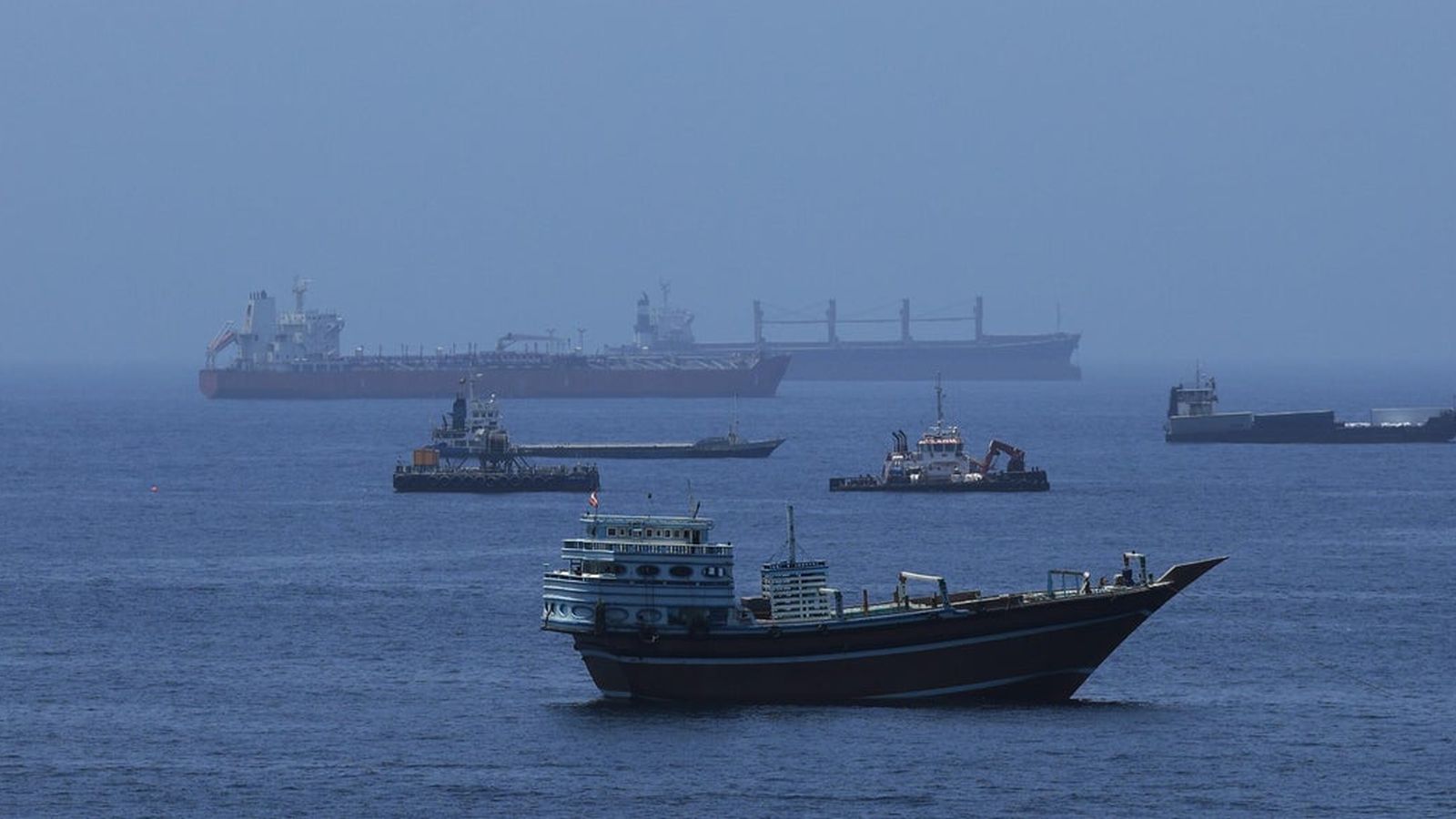
At the center of the current diplomatic push is Oman, which has historically served as a critical intermediary between Washington and Tehran. Omani officials traveled to Tehran on Friday to negotiate terms for reopening the Strait of Hormuz, which Iran has effectively blockaded since late February. Two regional sources confirmed to CBS News that these talks have made “constructive” progress, though they warned that finalizing a comprehensive deal will require more time.
The legal and operational status of the strait remains highly contested. Iranian Foreign Ministry spokesperson Esmail Baghaei stated that the status of the waterway remains unchanged, asserting that Tehran’s interim understandings allow it to manage maritime transit. Iran has strongly objected to U.S. and Omani efforts to establish alternative shipping routes that bypass Iranian territorial waters. Meanwhile, the U.S. military continues to enforce its own naval blockade, reporting that it recently redirected twelve commercial vessels, disabled two, and boarded two others. On the ground, the Islamic Revolutionary Guard Corps (IRGC) Navy continues to police the passage aggressively, reporting that it fired warning shots to turn back six vessels attempting to transit via unapproved routes.
Munitions Strain and the $67 Billion Funding Battle
Despite official assertions that the military pause is purely diplomatic, deep concerns are mounting in Washington over the sustainability of the American campaign, known as Operation Epic Fury. Reports have surfaced indicating that the U.S. military is expending precision-guided munitions—particularly Patriot interceptors and other air-defense missiles—faster than production lines can replace them. Since the joint U.S.-Israeli campaign began on February 28, more than 400 U.S. service members have been medical evacuated from the theater, though officials note most cases were non-combat-related.
This logistical strain has triggered a fierce domestic political debate. Defense Secretary Pete Hegseth has requested an emergency $67 billion appropriation from Congress to pay deployed personnel and rapidly restock depleted munition reserves. This request has met sharp resistance from progressives. Senator Bernie Sanders, speaking on Sunday, condemned the military campaign as “unconstitutional” and “illegal,” arguing that the administration must prioritize direct negotiations over endless military spending. Sanders argued that the requested billions would be far better spent addressing domestic crises, such as housing and healthcare for the working class, rather than fueling a conflict that he claims has already severely damaged the domestic economy.
The Caspian Sea Spillover and Global Escalation Risks
The geopolitical stakes of the conflict have been further complicated by a dramatic expansion of the theater of operations into the Caspian Sea. Ukrainian President Volodymyr Zelenskyy confirmed over the weekend that Ukrainian forces conducted successful long-range drone strikes in the Caspian Sea, targeting cargo vessels suspected of transporting Iranian military supplies to Russia. The strike resulted in an explosion on an Iranian commercial vessel, killing one sailor and injuring several others.
Iranian Foreign Minister Abbas Araghchi issued a stern warning on Sunday, condemning the attack as a blatant violation of the United Nations Charter. Araghchi accused Ukraine of acting “at Israel’s behest” in an attempt to drag European nations directly into the Middle East conflict. While Tehran continues to deny direct military involvement in the Russia-Ukraine war, the Caspian Sea incident underscores how deeply interconnected the conflicts in Eastern Europe and the Middle East have become, with both theaters drawing on the same strained manufacturing bases for drones, missiles, and air-defense interceptors.
Shifting Regional Alliances in the Gulf
As the conflict drags into its fifth month, local powers are increasingly looking to secure their own strategic interests independently of Washington. In a highly symbolic move, Kuwait has formally signed a strategic defense cooperation agreement with Pakistan. This pact follows a similar tri-lateral security arrangement established last year between Pakistan, Saudi Arabia, and Kuwait, signaling a broader trend among Gulf Arab states to diversify their security partnerships beyond traditional reliance on the United States.
This diplomatic shift comes amid growing regional anxiety over the Trump administration’s recent civilian nuclear agreement with Saudi Arabia, which has raised long-term concerns about the strategic balance of power in the Gulf. With Pakistan re-establishing itself as a key diplomatic broker and security guarantor—maintaining functional ties with both Iran and the Gulf monarchies—the regional security architecture is undergoing a quiet but profound transformation. Whether the current Omani-mediated pause can be parlayed into a lasting ceasefire remains highly uncertain, but the geopolitical costs of the war are already being felt far beyond the waters of the Persian Gulf.