
Quick Read
- The U.S. has ramped up military presence along the Arizona-Mexico border to combat fentanyl smuggling and manage immigration.
- A 5,000-bed ICE detention facility is being constructed at Fort Bliss, Texas, as part of Trump administration policies.
- Mexico has cracked down on cartels under President Claudia Sheinbaum, deploying 10,000 National Guard troops to the border.
- Advanced U.S. surveillance equipment like Stryker vehicles now patrols the border, aiding in drug and immigration control.
- Critics argue that these measures may strain U.S.-Mexico relations and divert resources from addressing domestic issues.
The United States has significantly increased its military deployment along the Arizona-Mexico border in recent months. This surge in activity is tied to two major objectives: curbing the influx of fentanyl, a synthetic opioid responsible for a devastating drug crisis in the U.S., and addressing the challenges of immigration. These measures come as part of the Trump administration’s stringent policies on border security and the broader U.S.-Mexico collaboration to tackle organized crime.
Fort Bliss to Host a Massive ICE Detention Facility
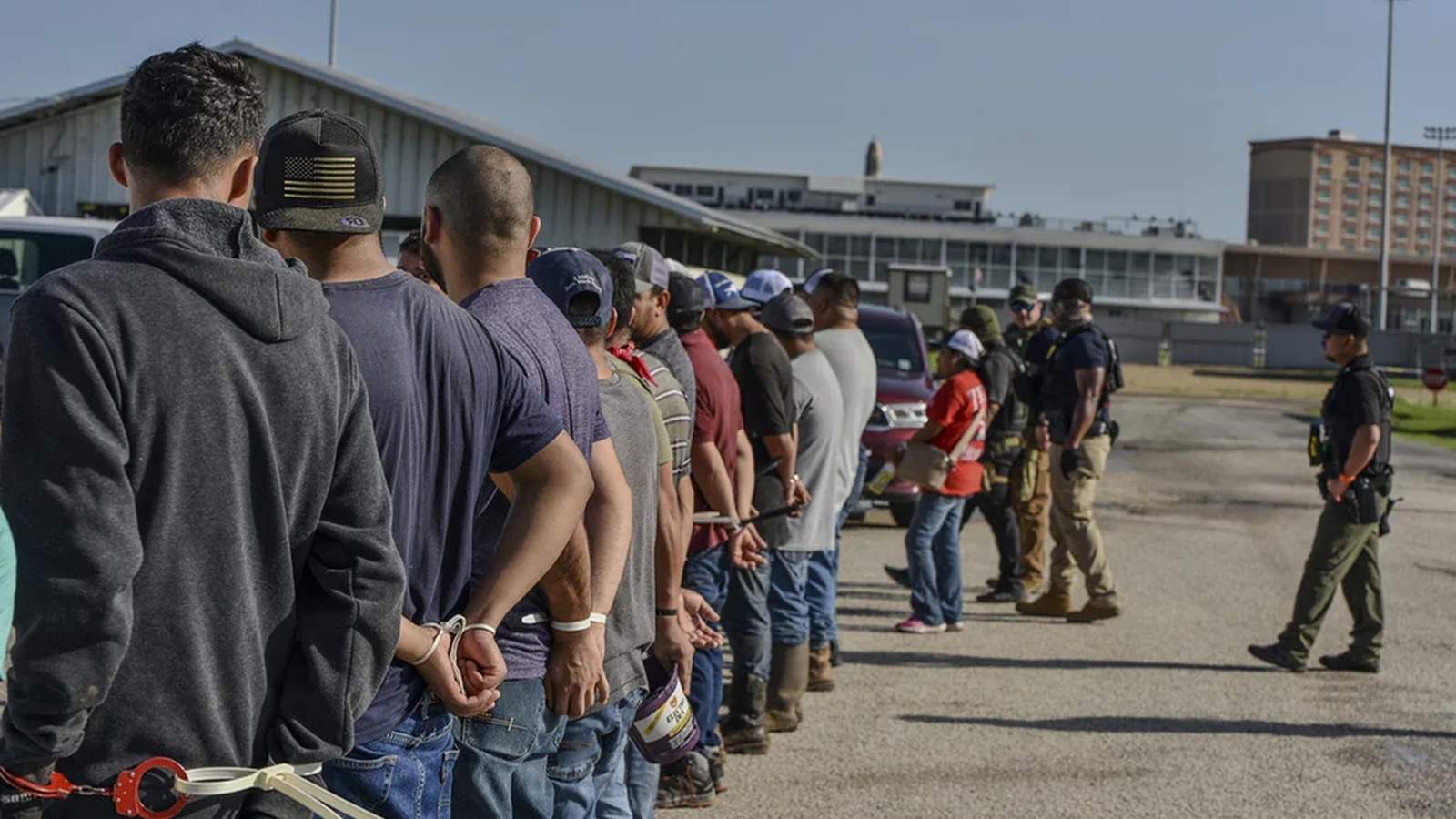
On July 28, 2025, the Department of Defense announced a $232 million contract awarded to Acquisition Logistics LLC to establish and operate a 5,000-bed detention facility at Fort Bliss Army Base in Texas. This facility is intended to house single adult detainees as part of Immigration and Customs Enforcement’s (ICE) deportation efforts. According to Washington Examiner, this initiative aligns with President Donald Trump’s executive order issued earlier this year, which declared an “invasion” at the southwest border and mandated federal agencies to take robust actions.
The detention center, expected to be completed by September 2027, will be the largest of its kind in the U.S. and is part of a broader $1.26 billion project. It signals a shift from the Biden administration’s previous use of “soft-sided facilities” to manage immigration. The Trump administration’s renewed focus on border security highlights its commitment to stricter enforcement measures, especially as the U.S. grapples with record numbers of illegal border crossings.
Fentanyl Crisis: A Shared Challenge Between the U.S. and Mexico
The Arizona border has also become a focal point in the fight against fentanyl smuggling. Fentanyl, a synthetic opioid 50 times more potent than heroin, has been a leading cause of overdose deaths in the U.S., accounting for nearly 70% of the 107,000 overdose fatalities recorded in 2023. According to the U.S. Drug Enforcement Administration (DEA), most of the illicit fentanyl entering the country originates from Mexico, where cartels like Sinaloa have developed vast production and trafficking networks.
Since President Trump’s return to office in late 2024, he has exerted significant pressure on Mexico to take more aggressive actions against cartels. Mexican President Claudia Sheinbaum, elected in 2024, has responded with an unprecedented crackdown. Her administration has dismantled over 750 clandestine drug labs, arrested numerous cartel leaders, and deployed 10,000 Mexican National Guard troops to the U.S.-Mexico border. As reported by ABC News, this collaborative effort has led to a 40% reduction in fentanyl seizures at the border since Trump’s inauguration.
Military Deployment and Surveillance Intensified
On the U.S. side, military hardware and personnel have been deployed to reinforce border security. Armored Stryker vehicles equipped with state-of-the-art surveillance technology now patrol key areas along the Arizona border. These vehicles, capable of detecting even the slightest movement, have been instrumental in deterring illegal crossings and drug trafficking. In Nogales, Arizona, a town historically dominated by cartel activity, both U.S. and Mexican authorities have increased their presence to disrupt smuggling operations.
According to local law enforcement, these measures are beginning to yield results. Officer Martin Pino of Nogales stated, “It’s good because drug traffickers and people who traffic undocumented immigrants are slowed down and stopped when they see this type of situation with authorities on the U.S. side.” However, despite these efforts, cartels continue to adapt, utilizing sophisticated tunnels and other clandestine methods to evade detection.
Political and Social Implications
The heightened military presence and cross-border collaboration have sparked debates on both sides of the border. In the U.S., critics argue that the militarization of the border could strain relations with Mexico and divert resources from addressing domestic issues like addiction treatment. Meanwhile, in Mexico, President Sheinbaum faces criticism for prioritizing U.S. demands over pressing domestic concerns such as corruption and extortion. According to Guadalupe Correa-Cabrera, an expert on organized crime, “This show is costing Mexico a lot of money … without addressing our own problems. It will backfire, not only on Claudia Sheinbaum, but on the Mexican people.”
Despite these criticisms, Sheinbaum remains popular, with an approval rating of around 75%. She has defended her administration’s actions, emphasizing that the crackdown on fentanyl is not merely to appease the U.S. but also to protect Mexican citizens from the drug’s devastating impact.
The situation along the Arizona-Mexico border underscores the complexities of addressing transnational issues like drug trafficking and immigration. While the increased military presence has shown some promise, the long-term success of these measures will depend on sustained collaboration and a balanced approach that considers the needs and challenges of both nations.