


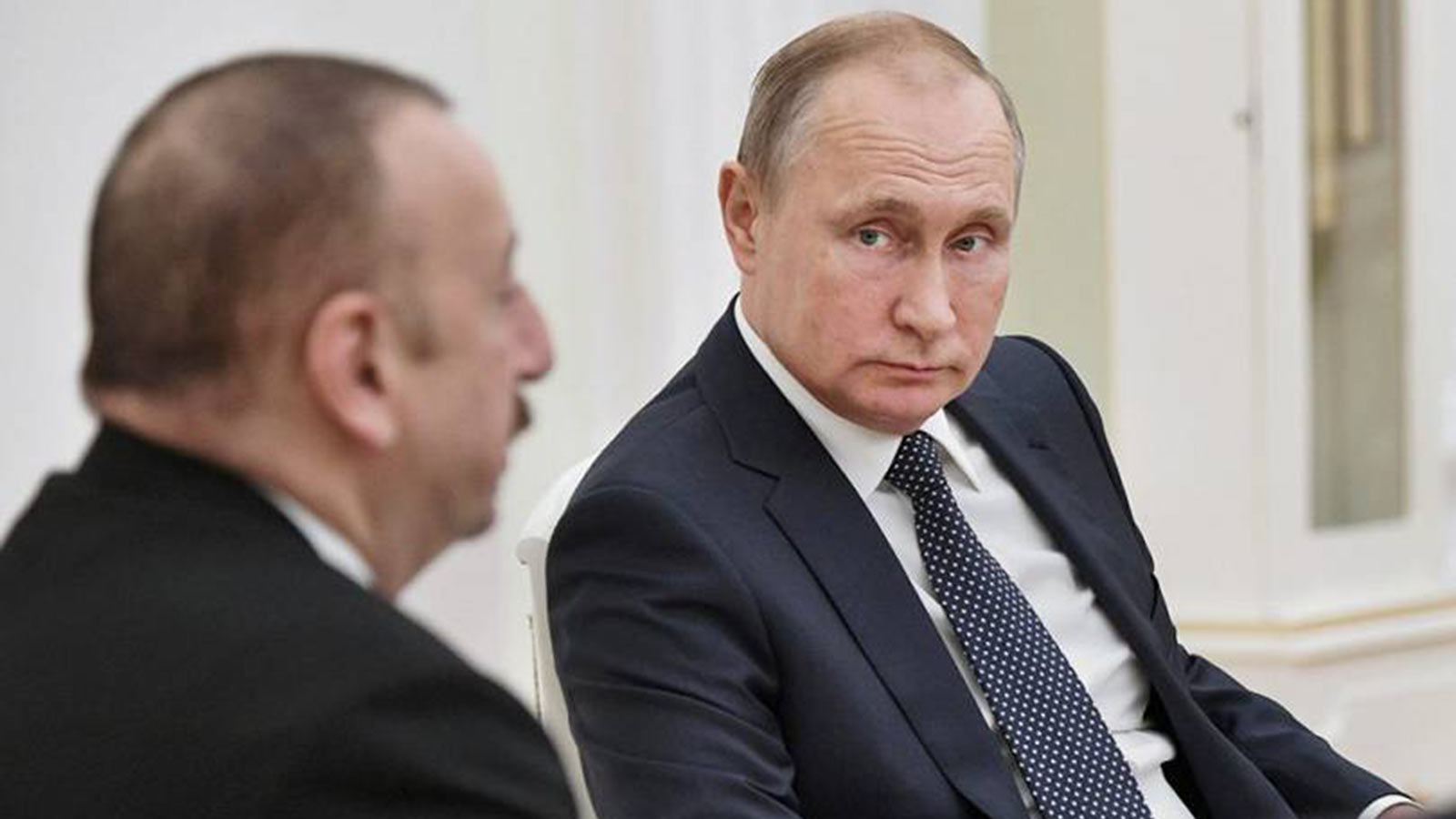
In a bold move aimed at intensifying pressure on Moscow, U.S. President Donald Trump announced on Monday, July 28, 2025, that he would reduce the 50-day deadline he had earlier given Russian President Vladimir Putin to agree to a peace deal over Ukraine. The new ultimatum sets a sharply reduced timeline of just 10-12 days for progress, a decision Trump justified by citing continued Russian aggression and a lack of meaningful advancements toward peace.
Trump’s Frustration with Moscow
Speaking during a visit to his Turnberry golf club in Scotland, President Trump expressed deep disappointment in President Putin’s actions, emphasizing the ongoing devastation in Ukraine. According to The Guardian, Trump remarked, “I’m disappointed in President Putin. He goes out and starts launching rockets into some city, like Kyiv, and kills a lot of people in a nursing home or whatever. You have bodies lying all over the street.”
The U.S. president, who previously claimed he could end the war in Ukraine within a day, said the original 50-day deadline was meant to be generous. However, ongoing Russian drone and missile strikes, including a recent barrage of 324 drones targeting Ukrainian cities, convinced him to accelerate his timeline. Trump stated that he no longer sees any point in waiting and wants results by early August.
Russian Aggression Escalates
On the same day as Trump’s announcement, Russian forces launched a massive drone and missile attack across Ukraine. Kyiv’s military administration reported that a high-rise residential building in the Darnytskyi district was hit, injuring eight people, including a four-year-old girl. According to ABC News, similar attacks were reported in Kropyvnytskyi and Starokostiantyniv, though these caused no casualties.
The Ukrainian air force claimed it had successfully intercepted 309 of the 324 drones and two of the seven missiles launched by Russia. Despite these defenses, the scale and intensity of the attacks underscored the ongoing challenges Ukraine faces in countering Russian aggression, particularly in urban areas and strategic locations far from the front lines.
Zelenskyy’s Call for Stronger Support
Ukrainian President Volodymyr Zelenskyy welcomed Trump’s decision to shorten the deadline, describing it as a necessary step to increase pressure on Moscow. On Telegram, Zelenskyy thanked the United States for its continued military support, including the provision of additional Patriot air defense systems. “We discussed the necessary measures to provide greater protection for people from Russian attacks and strengthen our positions,” he wrote.
However, Zelenskyy also emphasized the importance of sustained Western assistance. According to Euronews, he noted that Ukraine is “constantly strengthening the Ukrainian air shield” and called for further international coordination to close gaps in funding and resources, particularly for drone production. Ukrainian officials, including Andrii Yermak, head of the presidential office, echoed Zelenskyy’s sentiments, asserting that Putin “understands only strength.”
Western Allies Respond
Trump’s announcement has garnered mixed reactions from Western allies. NATO has been on high alert, with Polish and allied aircraft recently scrambled in response to Russia’s escalating aerial attacks. The Lithuanian Defense Ministry confirmed that a Russian drone had crossed into Lithuanian airspace, raising concerns about the broader implications of Moscow’s actions for NATO member states.
In addition to military coordination, economic sanctions remain a key tool in the West’s strategy to counter Russia. Trump hinted at the possibility of imposing secondary tariffs targeting Moscow’s trading partners if progress is not made within the new deadline. While some analysts see these measures as potentially game-changing, others worry they may not be enough to deter Russia’s aggressive tactics.
The Path Forward
As the August 7-9 deadline looms, all eyes are on Moscow and Washington. Trump’s decision to reduce the timeline signals a shift in U.S. strategy, moving from prolonged negotiations to more immediate demands for action. For Ukraine, the stakes remain high, with civilian casualties and infrastructure damage mounting daily. Zelenskyy’s government continues to advocate for a tougher stance against Russia, urging its allies to match rhetoric with decisive action.
*Whether Trump’s shortened deadline will lead to a breakthrough or further escalate tensions remains uncertain. What is clear, however, is that the war in Ukraine continues to test the resolve of global leaders and the resilience of the Ukrainian people.*