


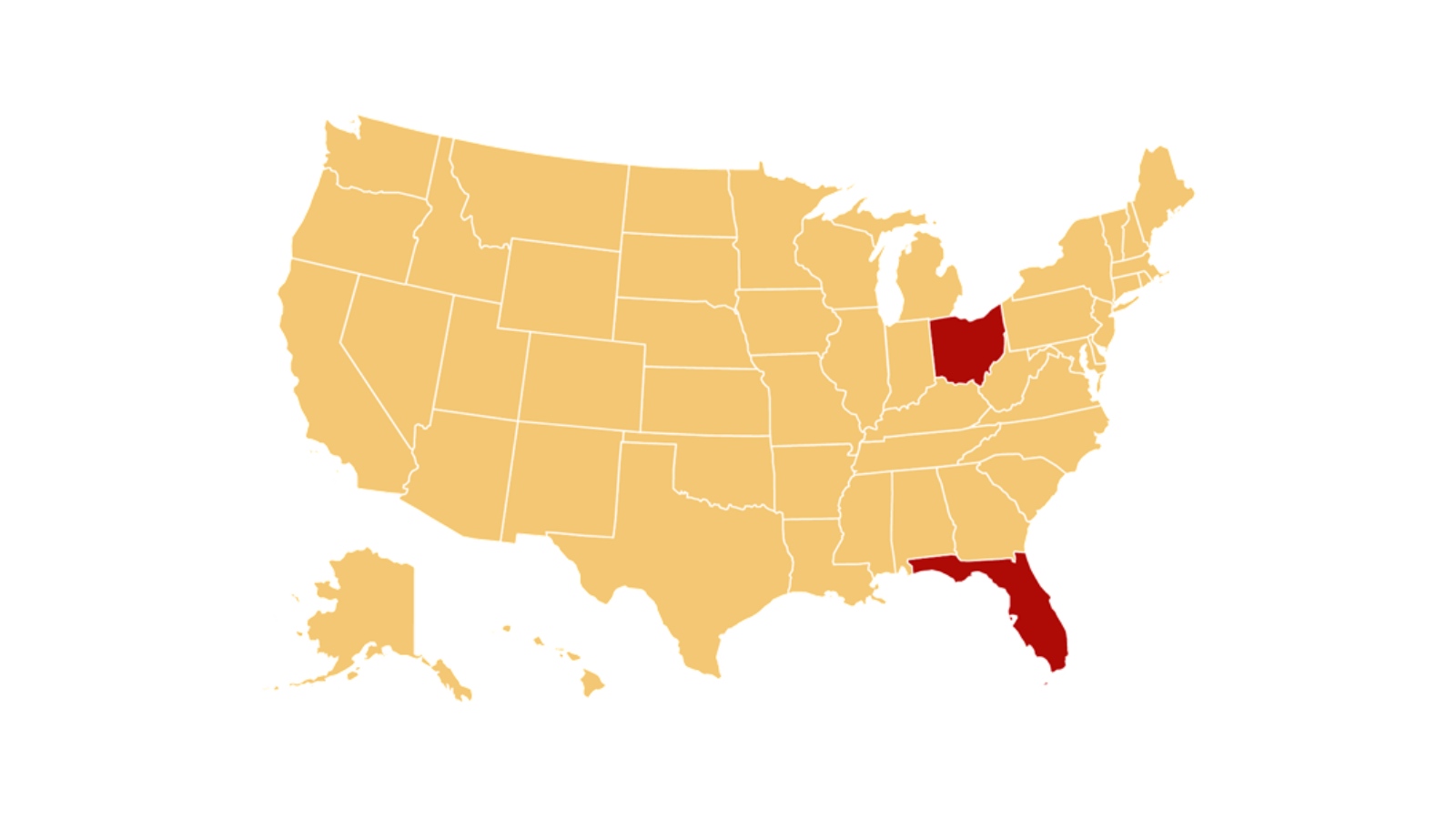
As federal and state investments continue to flow into American infrastructure, regional communities are facing the immediate friction of major transit upgrades and chronic congestion. In mid-August 2026, two distinct yet illustrative mobility bottlenecks highlighted these challenges: a high-stakes military-civilian coordination effort along Florida’s Gulf Coast and a massive, multi-year highway expansion program winding through southeastern Ohio. Together, these situations demonstrate how local economies, public safety, and national defense operations remain deeply intertwined with the physical capacity of regional roadways.
Fort Walton Beach: Military Readiness Meets Coastal Congestion on Highway 98
On August 17, 2026, regional leaders, elected representatives, and military commanders gathered in Fort Walton Beach, Florida, for a critical traffic roundtable. The central focus of the meeting was U.S. Highway 98, a vital transportation artery that serves as the primary gateway for Hurlburt Field—a major U.S. Air Force installation—and the surrounding civilian communities.
According to defense communication channels, the roundtable brought together Hurlburt Field leadership and regional transportation officials to address how severe daily traffic congestion is actively degrading both the community’s quality of life and the military installation’s operational readiness. For personnel stationed at Hurlburt Field, which hosts the Air Force Special Operations Command, gridlock on Highway 98 translates directly to delayed response times, disrupted shift changes, and logistical friction.
The discussions focused on a dual-track strategy, evaluating immediate short-term traffic management interventions alongside long-term structural initiatives. While immediate relief measures like signal optimization and minor lane reconfigurations are being explored, regional planners acknowledge that a permanent solution will require substantial capital investments to expand the highway’s capacity and accommodate the rapid population growth of Florida’s Panhandle.
Ohio’s Appalachian Foothills: The Long Road to 2028 on U.S. 33
Meanwhile, in Ohio, the challenge is not a lack of planning, but the prolonged disruption of active construction. The Ohio Department of Transportation (ODOT) is pushing forward with a series of massive infrastructure upgrades, most notably the U.S. 33 Athens-Meigs expansion. According to official ODOT updates published on August 18, 2026, this project aims to expand U.S. 33 from two lanes to four lanes, stretching from Athens to Darwin and Five Points to Ravenswood.
However, the scale of the expansion means that local commuters face a highly disrupted transit landscape for years to come, with an estimated completion date set for 2028. Currently, the shoulders of U.S. 33 between Oxley Road in Athens County and Rocksprings Road in Meigs County are closed, and side roads are shut down intermittently to allow heavy equipment to cross.
Commuters must also navigate rolling road blocks necessitated by active rock blasting. ODOT has closed the passing lanes in both directions between Oxley Road and Pleasant Hill Road through June 2027. Furthermore, Pleasanton Road is completely closed through November 20, 2026, forcing drivers onto a detour via Old U.S. 33 to Pleasant Hill Road. A strict 13-foot width restriction is in place on U.S. 33 near Pleasanton Road, where temporary signals and crossing construction vehicles regularly interrupt the flow of traffic.
A Network of Local Disruptions and Next Steps
The U.S. 33 expansion is only one piece of a broader regional transit overhaul. ODOT is simultaneously managing several other projects in the area:
- The State Route 56 realignment, closed between Dogwood Ridge and Kimberly Road, with a detour in place until its estimated completion on October 1, 2026.
- A resurfacing project on U.S. 33 from Nelsonville to Logan, scheduled for completion by October 15, 2026.
- Culvert replacements and resurfacing on State Route 329, utilizing temporary signals and flaggers to maintain traffic through late September.
- A pedestrian safety project in the Village of Amesville, alongside utility pole replacements by American Electric Power (AEP) that will impact local streets through November 30, 2026.
- A year-long sewer project in New Marshfield that commenced in June 2026, adding further local delays.
These simultaneous projects represent a classic infrastructure paradox: achieving long-term economic and safety benefits requires enduring years of localized economic friction, detours, and reduced mobility. As Florida officials begin drafting their formal policy proposals for Highway 98 and Ohio crews prepare for another winter of heavy construction, the coordination between local, state, and federal entities remains the critical variable in determining how quickly regional mobility can be restored.