


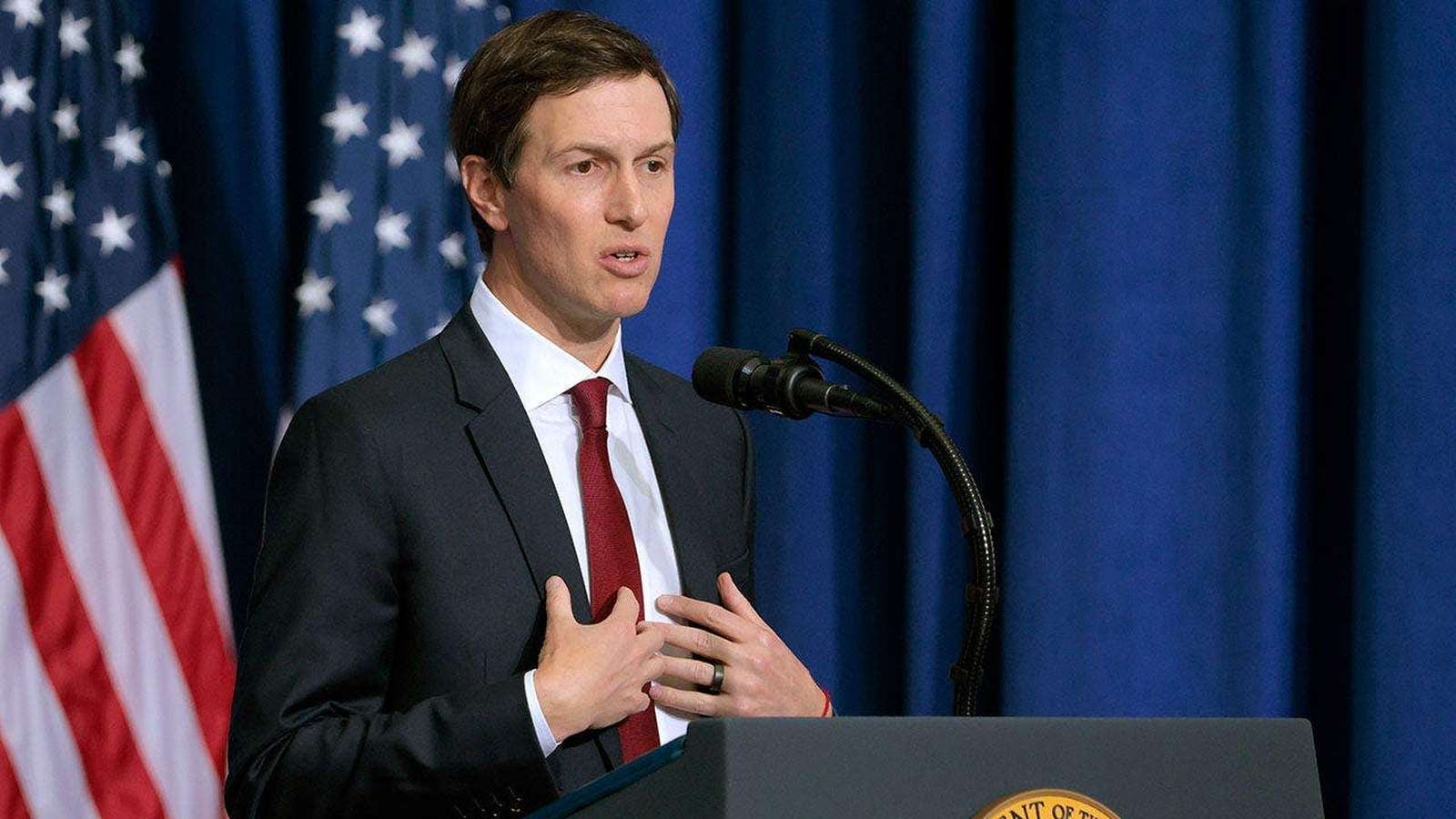
US President Donald Trump’s special envoy Jared Kushner announced in Tel Aviv that initial steps toward disarming Hamas and advancing a broader Gaza peace plan could begin within 30 days. Speaking following high-level discussions with Israeli Prime Minister Benjamin Netanyahu, Kushner outlined an accelerated operational timeline aimed at weapons decommissioning and the destruction of subterranean tunnel networks across the Gaza Strip.
The diplomatic push marks a critical phase in the administration’s strategy to secure an enduring post-conflict framework. However, implementation hinges on strict compliance mechanisms and intense regional bargaining amid continuing security risks.
American Supervision and Redeployment Preconditions
According to senior Israeli officials, Kushner and Netanyahu reached a formal understanding that an American general will directly supervise the handover and decommissioning of Hamas’s weaponry. Major General Jasper Jeffers, leading the nascent International Stabilization Force (ISF), is designated to oversee the operational verification process.
Netanyahu emphasized that Israel will not execute any military withdrawal or permit international reconstruction funds to enter Gaza until Hamas completes total demilitarization across the enclave. Representatives from the White House-backed Board of Peace—including former British Prime Minister Tony Blair—reiterated that all collected armaments will be permanently disabled. Board officials affirmed that Israel retains its full right to self-defense should Hamas attempt to rearm or launch renewed attacks.
Direct Diplomacy and Political Friction in Jerusalem
Kushner’s discussions in Jerusalem followed rare, direct negotiations in Egypt between American envoys and Hamas officials led by Khalil Al-Hayya. During the Cairo talks, Washington demanded that Hamas provide concrete proof of disarmament and formally renounce any future political or administrative role in Gaza. While Hamas reaffirmed its commitment to the July 30 roadmap, its negotiators urged the United States to exert leverage over Netanyahu to prevent unilateral Israeli military action.
The diplomatic track is unfolding against severe internal political pressure in Israel ahead of the October 27 national elections. Facing a competitive contest, Netanyahu has taken a firm line against concessions, while far-right coalition members like National Security Minister Itamar Ben Gvir have drawn international criticism for inflammatory rhetoric calling for harsh military tactics. Despite ongoing ceasefire agreements established on October 10, Gaza health authorities report that 1,265 Palestinians have been killed in localized operations, alongside five Israeli military fatalities.
Broader Regional Stakes: Iran and Syrian Fronts
Beyond Gaza, Kushner highlighted active diplomatic engagement across the Middle East, describing backchannel communications with Iran as “more robust than ever,” despite formal denials from Tehran regarding direct contacts with the Islamic Revolutionary Guard Corps (IRGC).
Concurrently, regional stability remains fragile. Israeli forces conducted eight airstrikes targeting runway facilities at the Abu Al-Duhur military airfield in northwestern Syria. The strikes targeted infrastructure where Syrian defense forces and Turkish technical teams were assessing runway rehabilitation. Israeli Defense Minister Israel Katz reiterated warnings that Israel will not allow military build-ups in Syria that pose potential threats, underlining the volatile multi-front security environment surrounding the peace initiative.