

Quick Read
- Senate passed $70 billion funding for DHS, CBP, and ICE.
- CBP established a World Cup Task Force for 2026 security.
- Illegal border crossings reported at lowest levels in three decades.
- CBP processed over 6.6 million traveler applications since October 2025.
Legislative Funding Boost
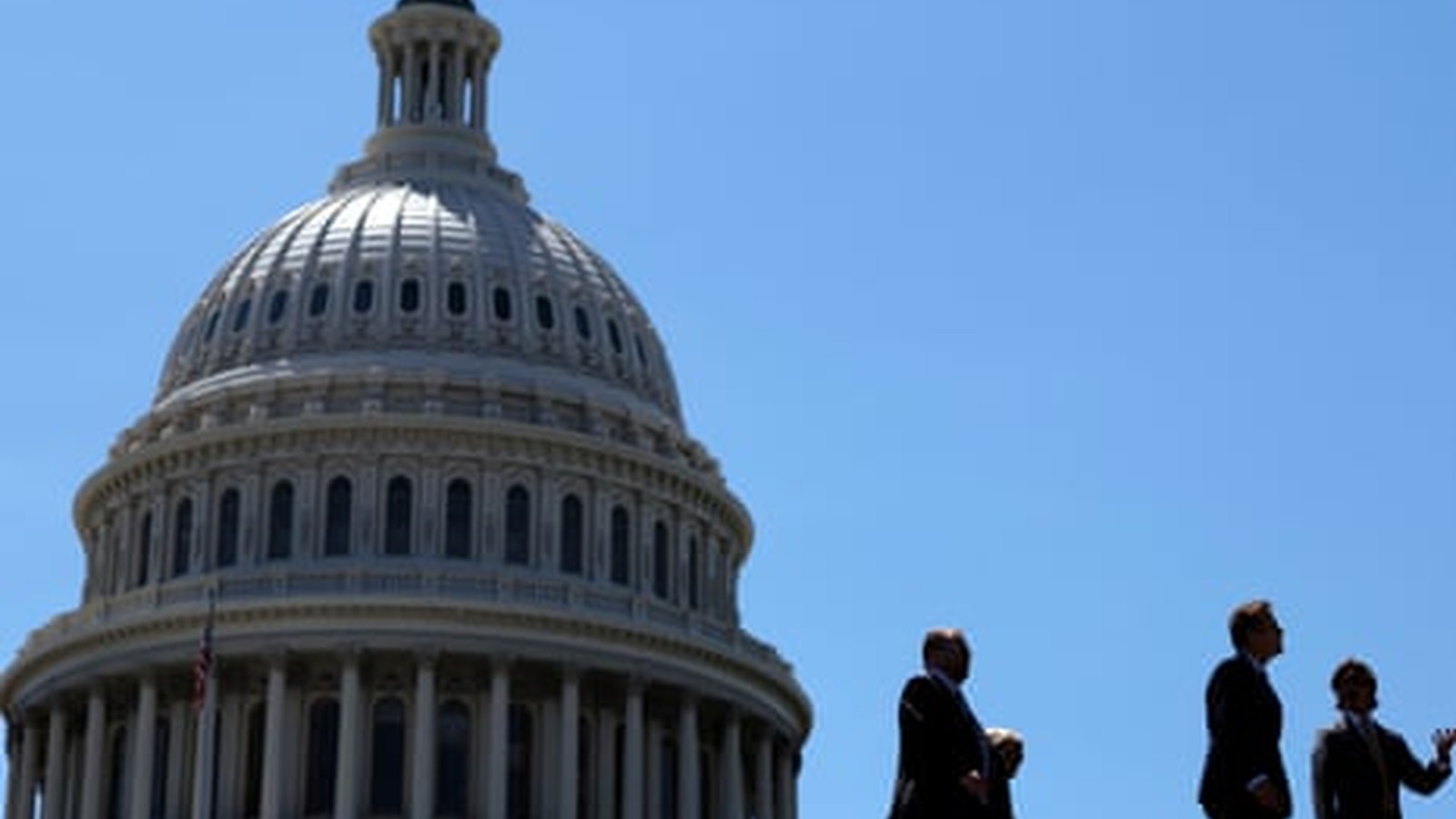
The U.S. Senate passed the Secure America Act early Friday morning in a 52-47 vote, securing $70 billion in funding for the Department of Homeland Security (DHS), U.S. Customs and Border Protection (CBP), and Immigration and Customs Enforcement (ICE). The legislation, which bypassed a Democratic filibuster through budget reconciliation, provides long-term funding for the remainder of President Donald Trump’s term. While Republican leadership praised the bill as a necessary measure to stabilize border operations, the vote faced significant partisan friction, particularly over the omission of funding for the Office of the Immigration Detention Ombudsman and debates regarding a controversial $1.8 billion “anti-weaponization” settlement fund.
CBP Operational Shift: FIFA World Cup 2026
The funding arrives as CBP enters a critical operational phase ahead of the 2026 FIFA World Cup. According to official agency statements, CBP has established a dedicated World Cup Task Force to oversee security, intelligence sharing, and passenger processing across host cities in the U.S., Canada, and Mexico. Between October 2025 and April 2026, the agency processed over 5 million ESTA applications and 1.6 million Trusted Traveler program entries, signaling a massive scale-up in logistical preparation for an expected 6 million international visitors.
Analysis: Balancing Enforcement and Global Events
The convergence of a major legislative funding milestone and a high-profile global sporting event underscores the dual pressure on CBP. The agency is currently tasked with maintaining historically low levels of illegal border crossings—which the administration reports have seen a 95% decline in daily apprehensions—while simultaneously managing the surge of legitimate international travel. CBP’s strategy relies heavily on “force multiplier” coordination through its centralized ‘CBP Watch’ cell, which facilitates communication between federal, state, and international partners. However, internal political divisions regarding accountability mechanisms, such as the rejection of amendments to restore the Immigration Detention Ombudsman, suggest that the agency will continue to face intense congressional scrutiny regarding its oversight practices even as it pivots toward the security demands of the tournament.