


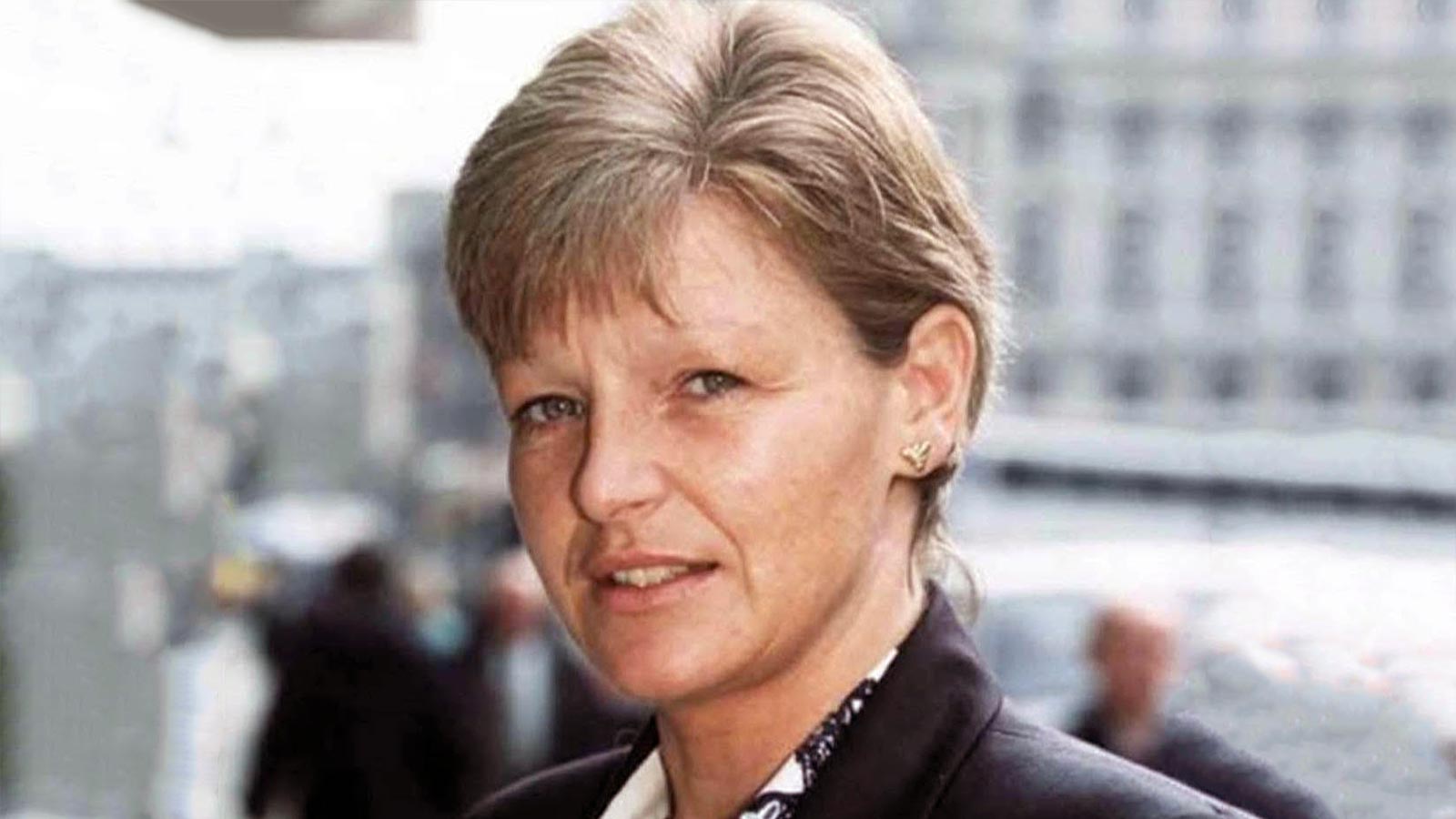
The 30-Year Shadow of a Landmark Murder
June 26, 2026, marks the 30th anniversary of the murder of investigative journalist Veronica Guerin, a tragedy that fundamentally altered the landscape of Irish criminal law and public discourse. Guerin, a reporter for the Sunday Independent, was shot six times in her car at a traffic light on the Naas dual carriageway in Dublin on June 26, 1996. The assassination, orchestrated by the gang led by John Gilligan, sent shockwaves through the nation and prompted an immediate, robust legislative response from the state.
According to reports from the National Union of Journalists (NUJ), the murder occurred while Guerin was returning from a court appearance. Her investigative work, which utilized her background in accountancy to expose the illicit wealth of drug kingpins, had made her a primary target for the Gilligan gang. In the immediate aftermath, the Irish government established the Criminal Assets Bureau (CAB) via the Proceeds of Crime Act, a legislative tool designed to seize assets acquired through criminal enterprise—a direct legacy of Guerin’s reporting.
The Legal Aftermath and Pending Releases
The investigation into Guerin’s death remains one of the most extensive in Irish history, leading to over 150 arrests and convictions. However, securing justice for the murder itself proved complex. John Gilligan, the crime boss at the center of the investigation, was acquitted of the murder charge in 2001, though he was later convicted of drug smuggling and served 20 years in prison.
Brian Meehan, the only individual convicted of the murder, is currently serving a life sentence. Recent reports indicate that the parole board is planning for his full release by 2027, provided he maintains good behavior during his transition back into society. This timeline brings the case back into the public eye, prompting a reflection on the limitations of the justice system in the 1990s and the evolving nature of organized crime in Ireland.
Analysis: The Enduring Impact of Guerin’s Investigative Model
Veronica Guerin’s career was defined by a confrontational approach that challenged the status quo. By documenting the lifestyles of those who claimed no income yet lived in luxury, she forced a public reckoning with the drug trade. Her legacy is not merely the creation of the CAB, but a shift in the standard of investigative journalism in Ireland.
However, the anniversary also highlights the persistent threat to media freedom. As the NUJ and her family mark this milestone, there remains a critical conversation regarding the safety of journalists. The state’s failure to protect Guerin, despite clear indicators of danger, serves as a sobering reminder of the cost of truth-telling. While the CAB has successfully disrupted criminal finances for three decades, the individuals behind the violence often found ways to navigate the legal system, with key figures like Gilligan continuing to appear in legal proceedings across Europe long after their initial convictions.
As the last of the direct participants in the 1996 hit nears release, the public narrative remains focused on the human cost of the crime. The Guerin family has consistently emphasized that her life should not be defined solely by her death, but by her dedication to her family, her passion for sports, and her unwavering pursuit of accountability in the face of immense danger.