


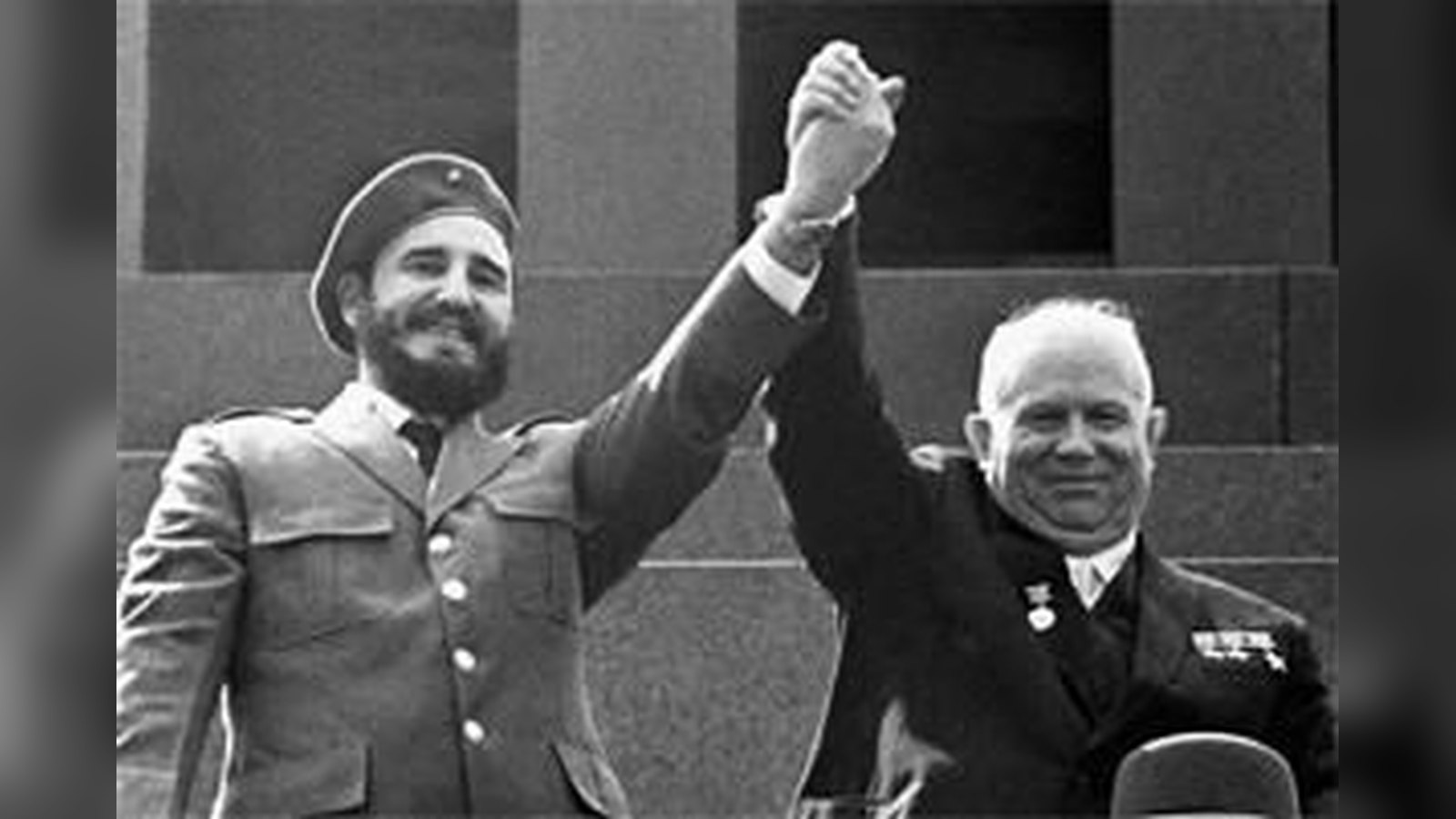
The 1962 confrontation between the United States and the Soviet Union over the deployment of nuclear missiles in Cuba remains the defining moment of the Cold War. For thirteen days in October, the world stood on the precipice of nuclear annihilation. Yet, the way we remember this event often depends on where we stand.
A Conflict of Names
The naming of the crisis is more than a linguistic curiosity; it reflects the geopolitical stakes of the era. In the United States, it is formally known as the Cuban Missile Crisis, placing the focus on the geographical site of the Soviet weapons. In the Soviet Union, it was often referred to as a Caribbean crisis, emphasizing the maritime theater of the blockade.
For the Cuban people, however, the event is remembered as the October Crisis (Crisis de Octubre). This name grounds the event in the national memory, reflecting the intense tension, mobilization, and fear that permeated the island during those weeks. It serves as a reminder that while the superpowers negotiated, the Cuban people were at the center of a potential nuclear battlefield.
The Shadow of 1962
The crisis was the result of a complex interplay of Cold War pressures. Following the failed Bay of Pigs invasion in 1961, the Cuban government sought Soviet protection. Nikita Khrushchev, the Soviet leader, saw an opportunity to balance the strategic disadvantage of US missiles in Turkey by placing medium-range nuclear missiles on Cuba. When US aerial reconnaissance discovered the sites, President John F. Kennedy initiated a naval ‘quarantine’ to prevent further military shipments.
The event concluded with a secret agreement: the Soviets withdrew the missiles, and the US pledged not to invade Cuba. The crisis remains a subject of intense historical study, not only for the diplomacy involved but for the profound impact it had on the global consciousness regarding the fragility of human civilization in the nuclear age.