


Launched in 2021 by activist and author Anna Zivarts as a Disability Movement Initiative, the campaign aims to foster practical empathy among motorists. According to the official event organizers cited by Streets.mn, transportation is an afterthought for those with readily available car keys, but a constant daily hurdle for everyone else.
The Realities of Multi-Modal Transit Planning
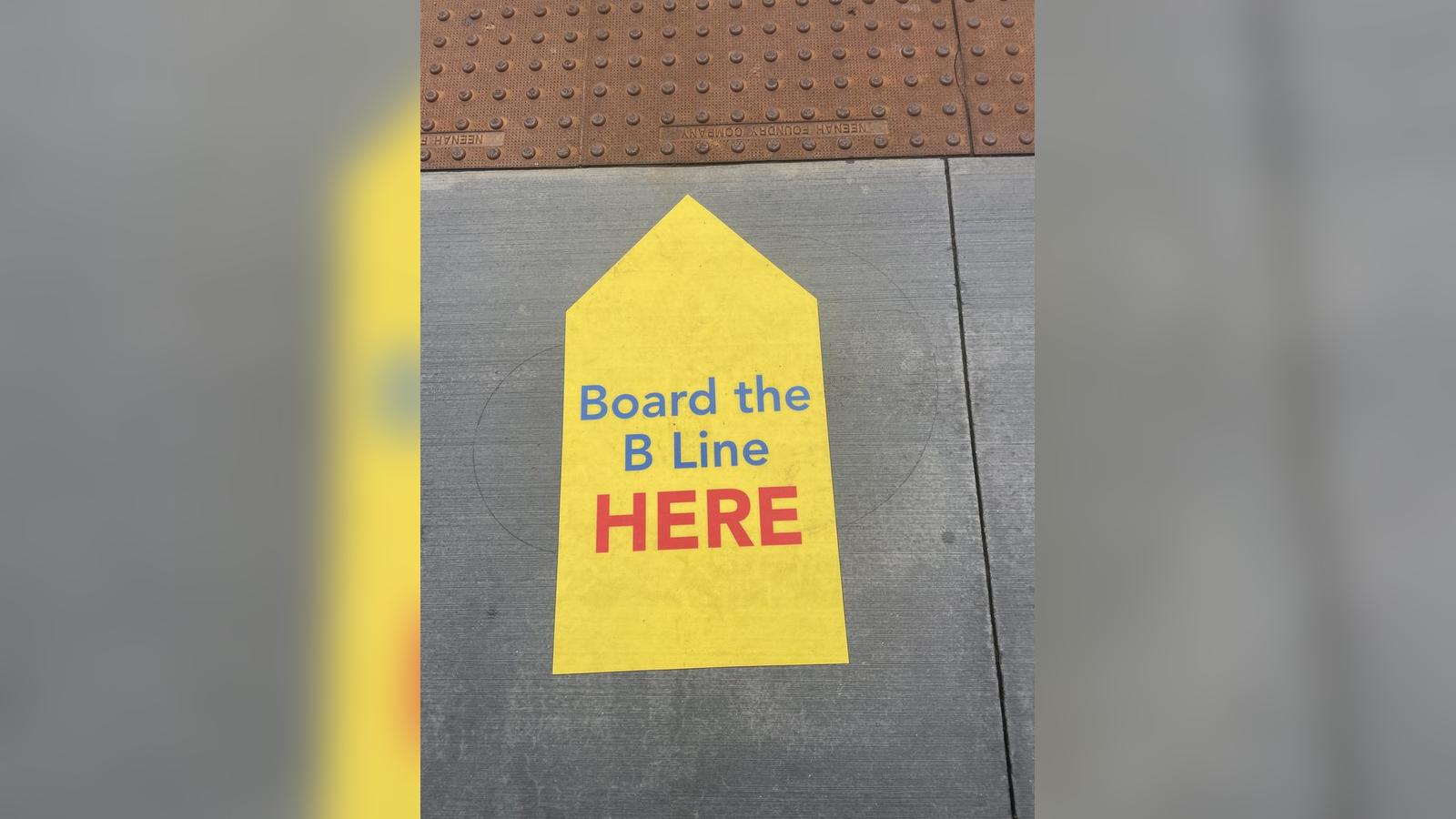
Transitioning away from a personal vehicle requires deliberate decision-making. Participants navigating neighborhoods like St. Paul quickly discover that active transportation involves carefully mapping out routes, factoring in walking times to bus stops, and adjusting wardrobes for weather conditions. While cities feature bus rapid transit lines and light rail options within walking distance, driving remains significantly more convenient for spontaneous errands.
Advocates emphasize that a car-free lifestyle requires high levels of intention and motivation, especially during inclement weather or evening hours. Navigating potholed streets after dark or managing groceries on foot highlights the infrastructure gaps that frequent drivers rarely encounter.
Setting Community Examples and Local Climate Goals
Daily interactions during the challenge often reveal deep-seated driving habits among residents. Conversations with neighbors and coworkers frequently show that many community members default to driving even for trips under a mile, citing fatigue or convenience rather than distance. At the same time, municipal frameworks such as the City of Saint Paul’s Climate Action and Resilience Plan establish aggressive benchmarks, calling for 40 percent of all city trips to be completed via bus, bicycle, or transit by 2030.
Proponents of active transportation note that regular walking and cycling offer measurable health benefits, including reduced risks of heart disease and improved mental well-being, aligning with broader guidance from the Environmental Protection Agency regarding short trips.
Flexibility and Systems-Level Reform
Organizers stress that the week-long initiative is not a purity test. Participants who occasionally rely on a personal vehicle are encouraged to use those moments for reflection rather than feeling they failed the challenge. The ultimate goal of the campaign is to spark systemic improvements, ranging from enhanced public transit schedules and expanded separated bike lanes to stricter enforcement against reckless driving that endangers pedestrians and cyclists.