
Quick Read
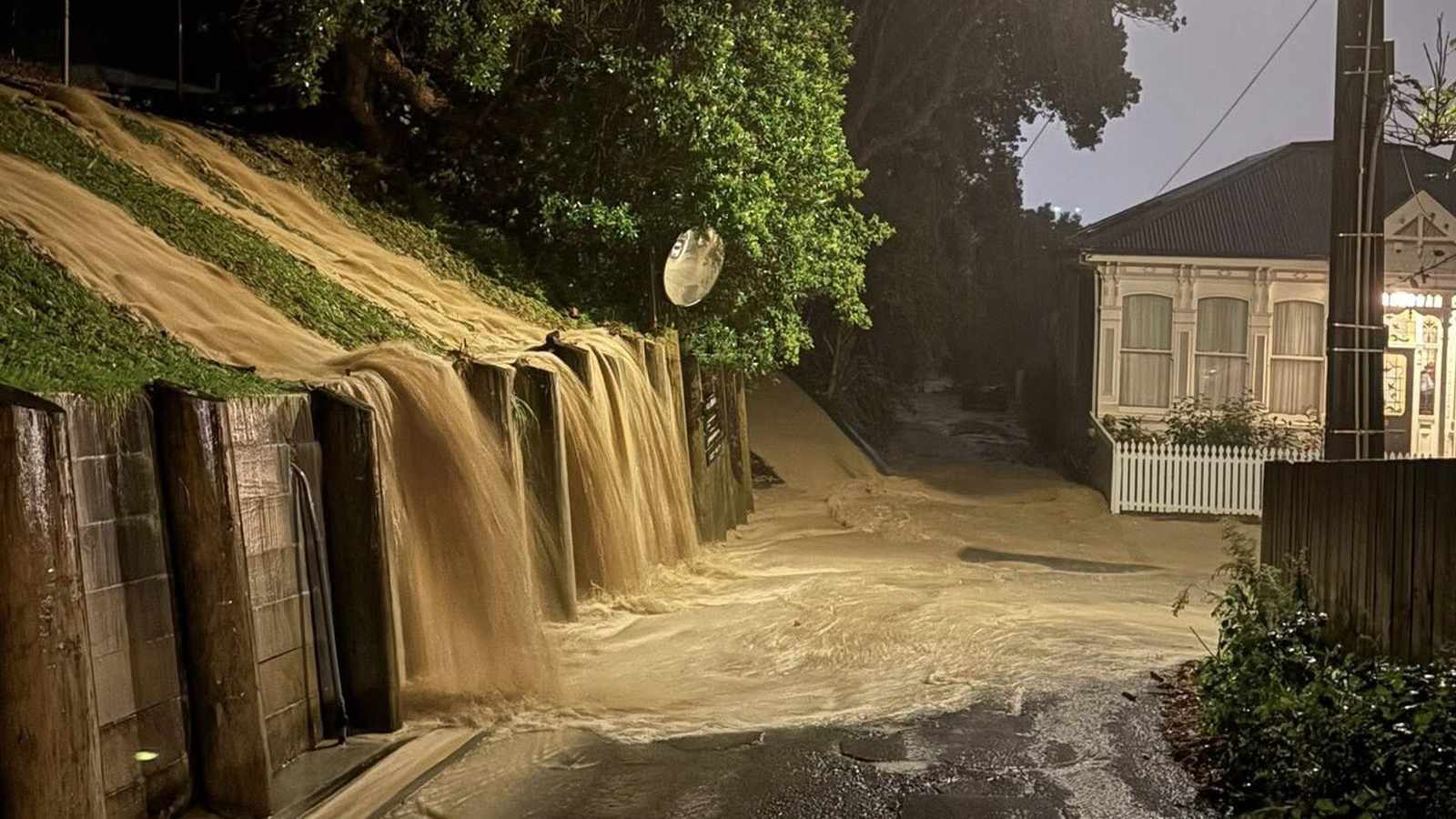
- Flash flooding has severely impacted Wellington, with nearly 80mm of rain recorded in a single morning surge.
- Emergency services have conducted urgent rescues in multiple suburbs, including Newtown and Island Bay.
- Experts advise immediate post-flood remediation, specifically prioritizing the removal of moisture to prevent toxic mold growth.
A City Under Siege by Sudden Deluges
Wellington residents awoke to a scene of destruction this morning as torrential rainfall triggered widespread flash flooding and dangerous landslides across the capital. Overnight downpours, which saw nearly 80 millimeters of rain fall within a narrow window around 4:00 AM, have overwhelmed drainage systems in suburbs including Newtown, Berhampore, Brooklyn, and Island Bay. The speed of the event necessitated middle-of-the-night rescues, marking a significant failure point in urban infrastructure that left little time for traditional emergency warnings.
The Limits of Early Warning Systems
The crisis highlights the inherent difficulty in predicting localized weather events. Unlike broad-scale cyclones, these intense thunderstorms often develop too rapidly for conventional, hours-in-advance alerts. Dr. Sally Potter, a warnings consultant, emphasizes that residents must now rely on natural warning signs and proactive household mitigation, such as keeping essential items in watertight storage. This shift in responsibility underscores the vital need for transparent, science-based communication between local government and the public, ensuring that citizens are equipped with the knowledge to manage immediate health risks like mold and structural dampness.
Governance and Climate Resilience
The duty of care held by local authorities is currently being tested as Mayor Andrew Little coordinates the ongoing response. For nations like Armenia, which also face increasing climate volatility and mountainous terrain risks, the Wellington situation serves as a sobering case study in institutional preparedness. Effective disaster management is not merely about reactive rescue operations; it requires a liberal democratic commitment to public transparency, continuous investment in adaptive infrastructure, and the empowerment of civil society to participate in resilience planning. As the cleanup begins, the focus must shift toward long-term mitigation strategies that prioritize human safety over short-term budgetary constraints, ensuring that communities remain habitable in an era of unpredictable environmental change.
- Flash flooding has severely impacted Wellington, with nearly 80mm of rain recorded in a single morning surge.
- Emergency services have conducted urgent rescues in multiple suburbs, including Newtown and Island Bay.
- Experts advise immediate post-flood remediation, specifically prioritizing the removal of moisture to prevent toxic mold growth.