


Tragedy on the Frontlines
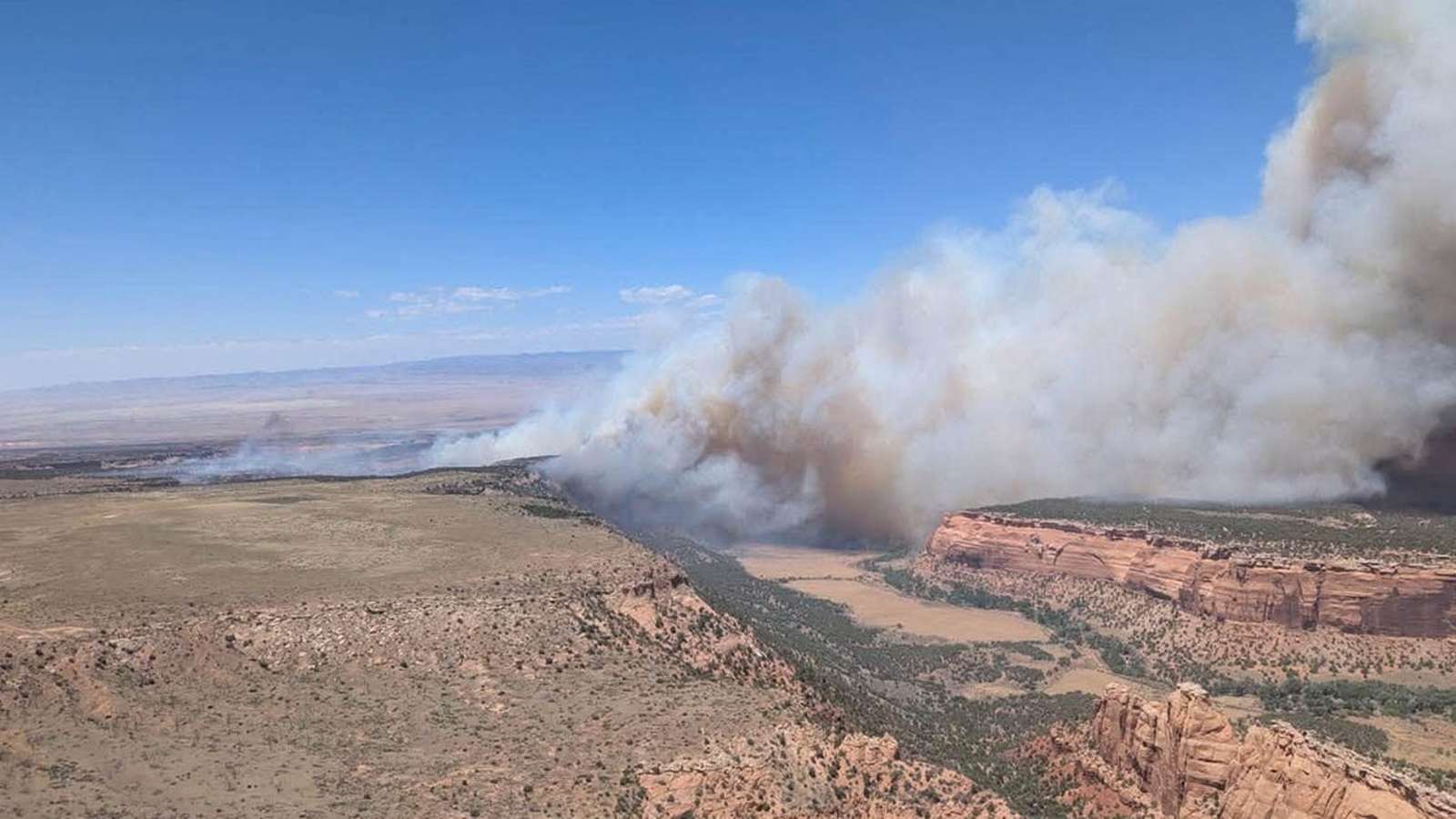
The U.S. Wildland Fire Service confirmed Sunday that three firefighters have died and two others were injured while battling wildfires along the Utah-Colorado border. The personnel were part of an interagency response to the Knowles and Gore fires on Saturday. The tragedy highlights the extreme peril facing emergency crews as they navigate difficult, steep terrain during one of the most severe wildfire seasons in recent history.
The newly formed U.S. Wildland Fire Service expressed its condolences, stating that the bravery and sacrifice of the fallen will not be forgotten. Officials in Beaver County, Utah, are currently working to assess the full extent of the incident. Governor Spencer Cox described the situation as “bleak” while commending the crews for their efforts in preventing further spread of the flames.
A Landscape Under Siege
The fatalities occur as multiple wildfires rage across the Western Slope of Colorado and parts of Utah. The Snyder Mesa and Jones fires have merged, burning approximately 28,264 acres south of the Colorado River. According to the Moab Valley Fire Department, these fires are part of a surge in lightning-sparked incidents across Bureau of Land Management (BLM) lands.
In addition to the border fires, the Gold Mountain Fire near Ouray and the Ferris Fire in southwest Colorado have forced mandatory evacuations. Residents near the Ferris Fire have been directed to shelters at the Pleasant View Fire Station, while Ouray County officials have evacuated neighborhoods near the Bachelor Syracuse Mine Tour. The National Interagency Fire Center (NIFC) reports that nearly 3 million acres have burned nationally since the start of the year, a figure that significantly exceeds the 10-year average.
Analysis: The New Normal of Western Wildfires
The current emergency underscores a systemic shift in the American West’s climate reality. Meteorological data confirms that Utah and surrounding states are grappling with record-low snowpack and the warmest winter on record. This combination of drought-parched vegetation and high-frequency “red flag” weather events—characterized by low humidity and gusty winds—has created a volatile environment where fires exhibit “unprecedented behavior.”
Institutional responses are also evolving in reaction to these threats. The use of preventative power shut-offs by utilities like Rocky Mountain Power, while controversial, has become a standard, albeit last-resort, tactic to mitigate ignition risks. Furthermore, the mobilization of the Colorado National Guard, authorized by Governor Jared Polis, signals that the scale of these wildfires is increasingly exceeding the capacity of local and regional fire management units. The loss of life on the Utah-Colorado border serves as a stark reminder that as climatic conditions deteriorate, the risks to frontline responders are rising at a pace that institutional resources are struggling to match.