


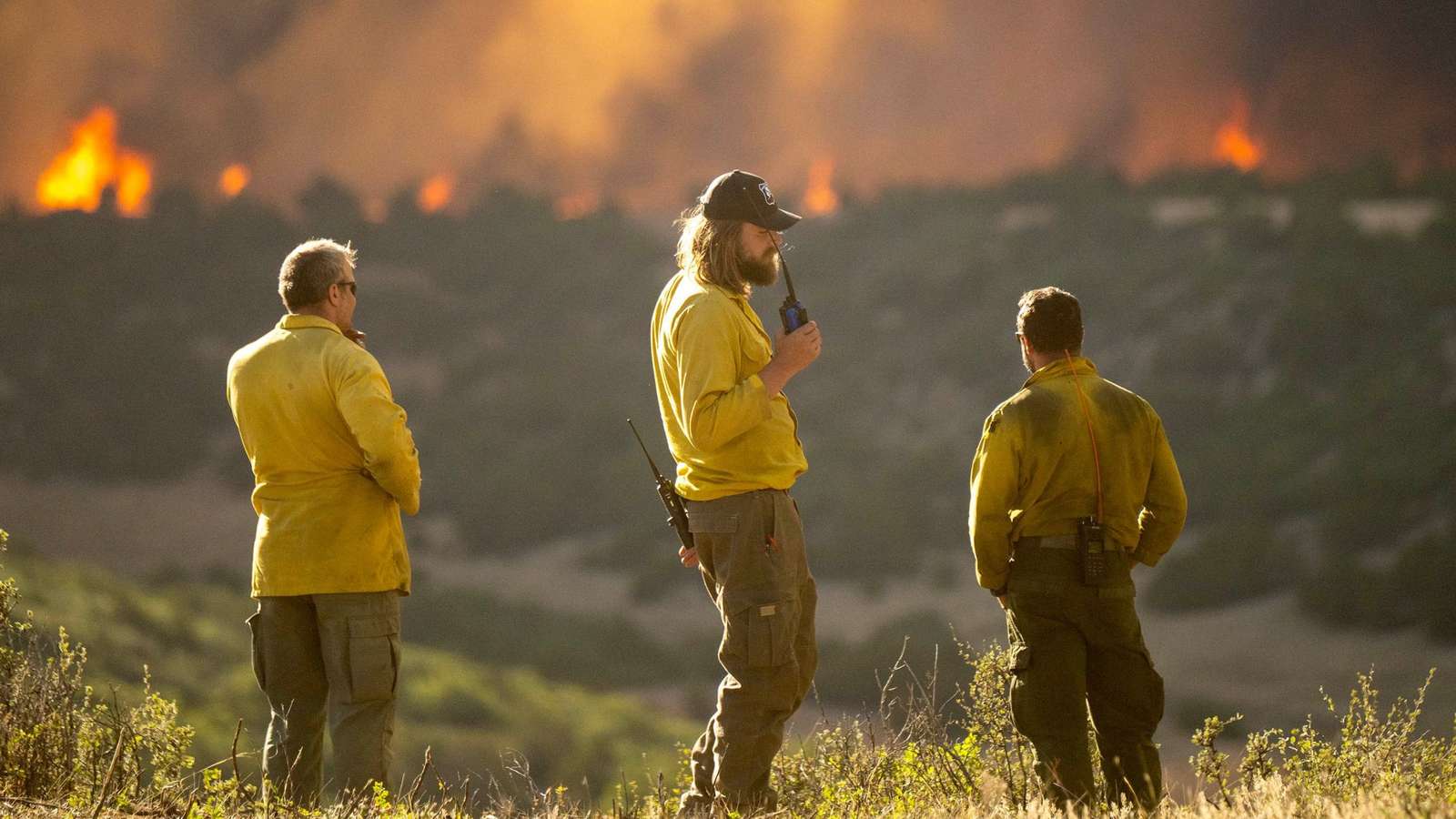
Operations Continue Amidst Drought
As the Aspen Acres fire continues to burn through southern Colorado, reaching 99,500 acres and 36% containment, fire officials have dismissed concerns that the state’s ongoing drought is hindering suppression efforts. While reservoir storage levels remain at approximately 65% of the norm, incident command teams report that water access has not been a limiting factor in their response.
Steve Lipsher, spokesperson for the Aspen Acres fire, stated that while ephemeral streams have dried up, the ability to source water for aerial and ground operations remains intact. The blaze has already resulted in the destruction of over 850 structures, making it one of the largest wildfires in the state’s recorded history.
Resource Management Strategy
Fire crews rely on a well-established national incident command system to secure water. This process involves pre-attack plans that identify local reservoirs, hydrants, and agricultural ponds. When necessary, liaison officers coordinate with local landowners and tribal representatives to establish land-use agreements, ensuring that water usage is both legal and tracked.
The logistical approach to water procurement is highly adaptable. Firefighters utilize portable pumps to dam local streams, water tenders to transport supply, and amphibious “Super Scoopers” that draw from larger bodies like the Pueblo Reservoir, which currently holds over 58 billion gallons of water. According to the Colorado Division of Water Resources, the volume of water used to combat the fire is statistically negligible compared to natural evaporation rates in the state’s reservoirs.
Statewide Fire Activity
Beyond the Aspen Acres fire, state resources remain stretched across multiple incidents. The Ferris fire in southwestern Colorado, now 53% contained, has burned over 64,800 acres, while the Willow fire near Leadville and the Gold Mountain fire near Ouray continue to require significant personnel and air support. Officials emphasize that while rugged terrain and equipment logistics present challenges, the availability of water itself is not currently impacting the safety or efficacy of fire suppression operations.