


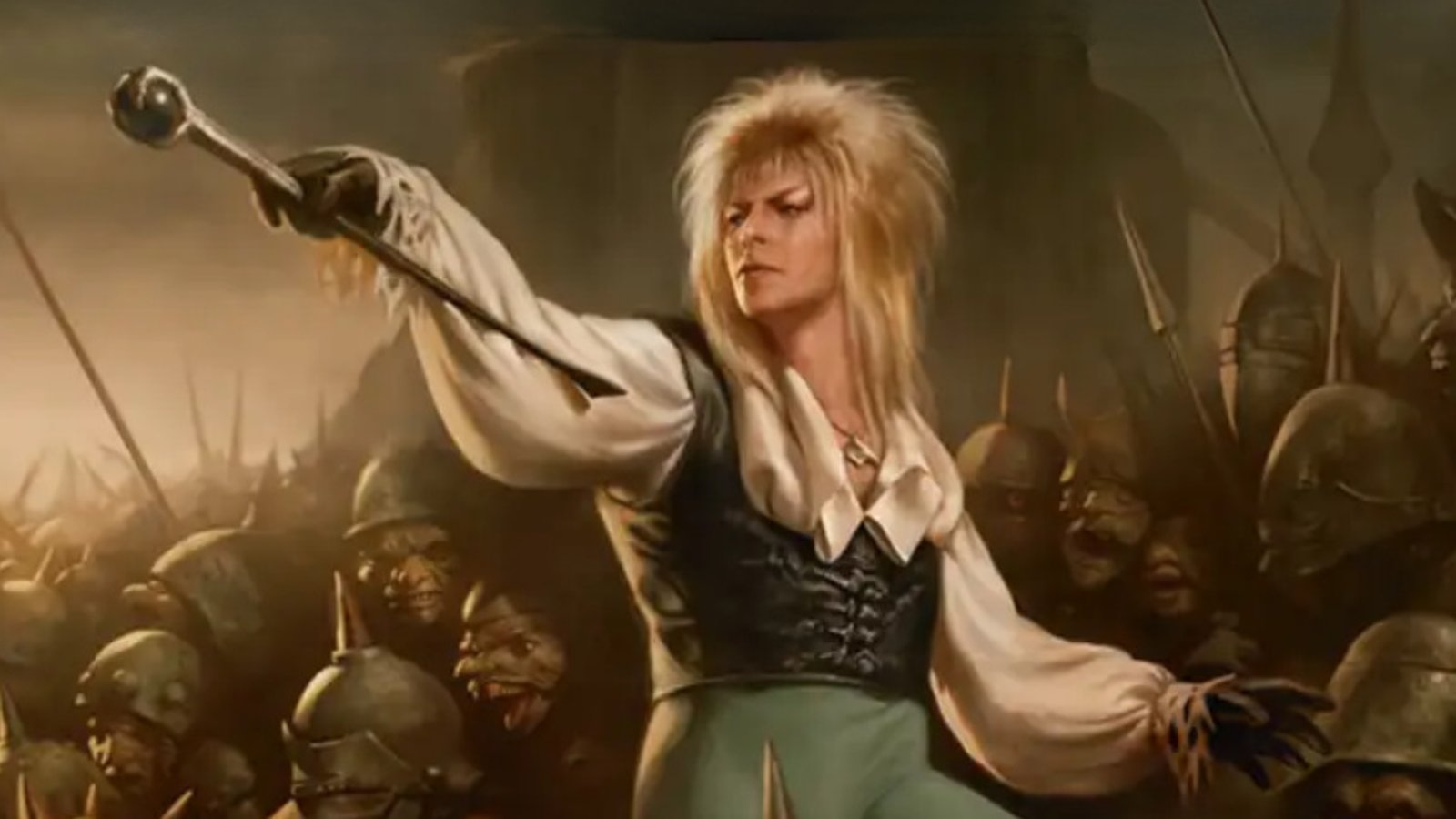
Wizards of the Coast has officially revealed the upcoming Magic: The Gathering Secret Lair Corn Maze Superdrop, introducing a diverse array of pop culture crossovers that blend collector-focused reprints with high-profile thematic partnerships. Unveiled on September 30, 2026, the collection spans multiple themed drops—most notably partnering with Jim Henson’s Labyrinth and KPop Demon Hunters, alongside other heavyweight intellectual properties—with sales officially scheduled to begin on October 12, according to an announcement on the official Wizards of the Coast site.
The announcement has immediately galvanized trading card communities, igniting intense discussion regarding secondary market value, reprint equity, and Hasbro’s ongoing strategy of leveraging external multimedia franchises to drive engagement. While fans have welcomed the unexpected inclusion of beloved nostalgic properties and contemporary hits, the intricate financial valuation of individual drops reveals a complex economic landscape for both competitive players and casual collectors.
Breaking Down the Secondary Market Value and Reprint Equity
As detailed in reports by MTG Rocks, the Corn Maze Superdrop offers significant aggregate reprint value across its constituent sets, often eclipsing the direct purchase price of $29.99 for non-foil versions. For instance, the Jim Henson’s Labyrinth-themed sub-drop titled Fear Me, Love Me is anchored by the presence of Trinisphere, a high-value artifact staple in formats such as Modern, Legacy, and Vintage. Combined with a fresh reprint of Muxus, Goblin Grandee, this specific drop generates roughly $50 in baseline secondary market value alone, easily surpassing its standard entry fee.
Similarly, the second Labyrinth installment, Should You Need Us, features a first-time reprint of Wort, Boggart Auntie alongside format mainstays like Kami of the Crescent Moon. Analysts note that while these bundles offer exceptional upfront value—often exceeding $43—the introduction of first-time reprints introduces inherent price volatility, as historical demand and secondary market pricing frequently adjust downward once supply increases.
Fan Reception, Controversy, and the KPop Demon Hunters Drop
Despite the substantial monetary value packed into the reprints, market reception has been uneven. The How It’s Done sub-drop, tied to the KPop Demon Hunters collaboration, has drawn notable skepticism from the player base. While it features powerhouse competitive and Commander staples such as Swan Song, Underworld Breach, Freed From the Real, and Dawn’s Truce—pushing total reprint value past $31—community feedback has centered on the absence of legendary creature representations for the IP’s central characters.
Industry observers and platform commentators, including discussions highlighted by Polygon, point out that aesthetic alignment and character representation remain critical drivers of Secret Lair success. When high-value mechanical reprints are paired with thematic choices that fail to resonate directly with how players utilize commanders on the table, secondary market predictability drops significantly.
Strategic Implications for Hasbro’s Collector Model
The rollout of the Corn Maze Superdrop underscores Wizards of the Coast’s continued reliance on the Universes Beyond framework and targeted crossover drops to sustain quarterly revenue and maintain community mindshare. By pairing scarce or financially burdensome staple cards with distinct visual themes, Hasbro creates artificial scarcity windows that motivate rapid consumer purchasing ahead of the October 12 sales launch.
However, analysts emphasize that balancing reprint equity with community satisfaction remains a delicate operational challenge. As secondary market prices fluctuate in response to these targeted injections of high-demand cards, long-term collector confidence hinges on how well Wizards of the Coast manages future intellectual property integrations and ensures that aesthetic execution matches the financial investment demanded of buyers.