


New Mandates Target Postseason Venue Conflicts
Following logistical challenges during the 2026 championship series, the WNBA has instituted mandatory playoff scheduling guidelines to prevent a recurrence of venue availability conflicts, Stadium Rant reported in an article published on November 22, 2026. Under the new framework, franchises must formally disclose any potential arena conflicts alongside concrete backup solutions by October 1.
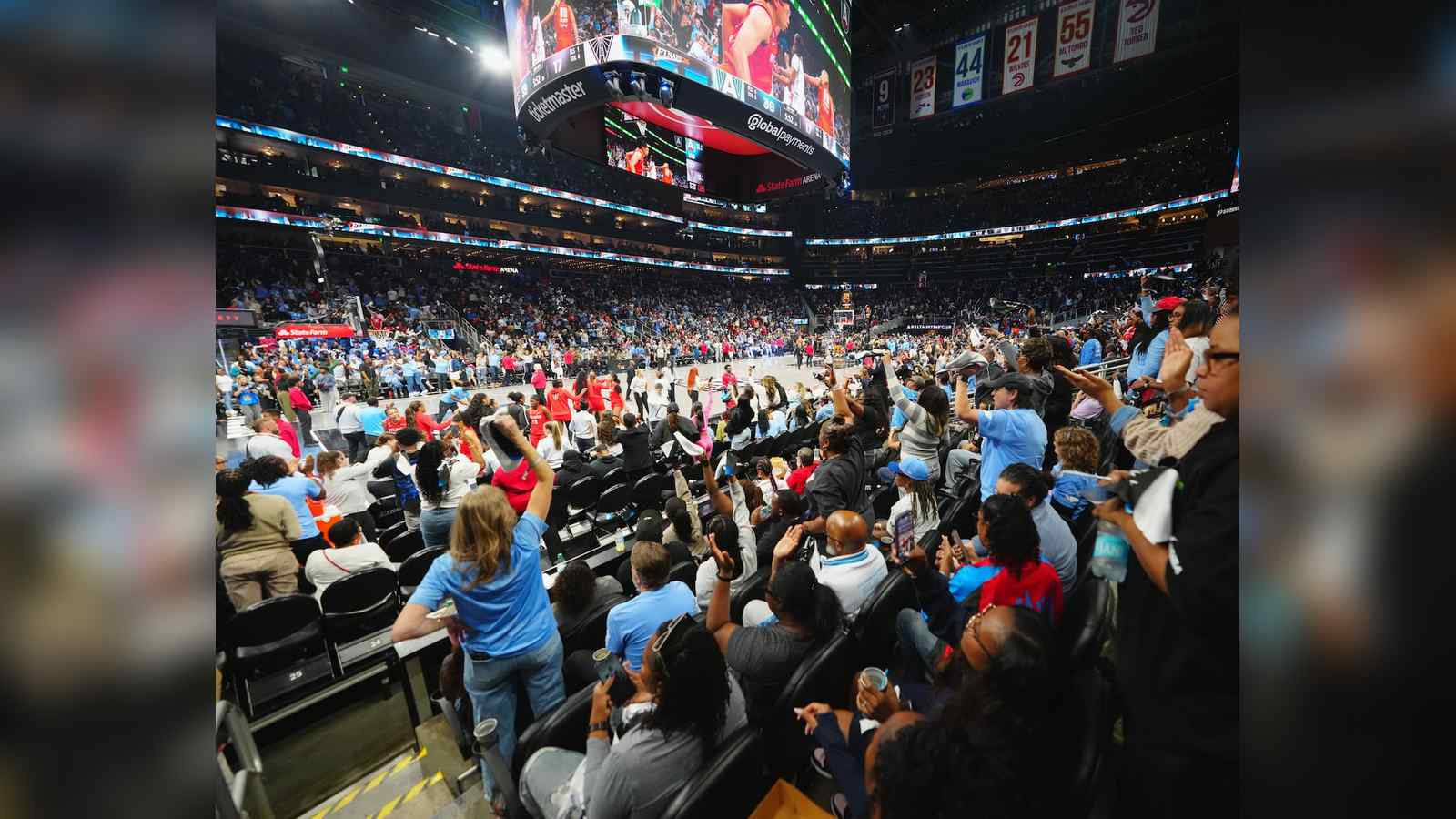
The operational shift arrives directly after the Atlanta Dream reached the 2026 championship series and exposed major calendar flaws at State Farm Arena. Because the venue already had autumn events booked, scheduling collisions threatened to disrupt the series. An October 22 concert clashed directly with Game 3, while an Atlanta Hawks home opener conflicted with Game 4 on October 24, forcing compressed adjustments that impacted the league’s broadcast presentation.
Strict Penalties and Early Disclosure Rules
To eliminate last-minute scrambles, franchises received official playoff scheduling guidelines on September 14, nearly two months earlier than in previous cycles, according to reporting published by Sports Business Journal on November 17, 2026. The 35-day playoff calendar is mandated by national television contracts, requiring teams to inform league leadership whether they have conflicts in their primary arena and to detail buyout options.
Organizations that fail to report conflicts or secure viable alternatives now risk substantial financial fines or losing a home playoff game. Putting teeth behind these rules ensures venue readiness becomes a mandatory front-office priority rather than an afterthought, protecting the competitive integrity of the entire postseason product.
Broader Calendar Projections for 2027
Beyond postseason logistics, the broader framework for the WNBA 2027 season points toward an expanded, uninterrupted basketball calendar. League expectations indicate the regular season will open on May 7, 2027, and conclude no later than October 24, 2027.
While these dates represent projected targets rather than a formally finalized schedule, they outline a massive competitive runway. Each franchise is expected to play a grueling 50-game regular-season slate without a midseason international break interrupting momentum, allowing the league to maintain consistent television visibility while locking in predictable autumn playoff windows.
Operational Evolution and Historical Context
The necessity for these strict new deadlines stems from the complex history shared between tenant franchises and arena operators. During the Dream’s unexpected run to the 2026 Finals, the stark contrast between their regular 3,500-seat Gateway Center Arena and the mega-sized State Farm Arena became a central operational hurdle. Because State Farm Arena is managed by the Atlanta Hawks, whose ownership group operates independently from the Dream’s leadership group of Larry and Robyn Gottesdiener, Suzanne Abair, and Renee Montgomery, coordinating shared dates under pressure proved exceedingly difficult.
Industry sources note that prior high-profile games hosted at State Farm Arena involved complex revenue splits, where the Hawks retained control over premium inventory, permanent signage, concourses, clubs, suites, parking, and food and beverage operations. These financial structures previously left the Dream operating with narrower margins primarily restricted to ticket sales and field-of-play sponsorships. When the Dream surged into contention during the 2026 season and played multiple high-attendance games at the larger venue, the resulting autumn overlap exposed the vulnerability of relying on ad-hoc scheduling arrangements.
By shifting venue readiness from a reactive afterthought to a heavily penalized front-office requirement, league executives are attempting to remove the ambiguity that compromised previous championship windows. The mandate forces every organization to establish clear lines of communication with arena management well in advance of the postseason. Teams can no longer gamble on unconfirmed building availability or assume that last-minute compromises will suffice when national television windows and championship hardware are on the line.
Ultimately, these proactive governance measures are designed to match the accelerating growth and commercial footprint of the WNBA. As media rights values rise and fan engagement reaches new peaks, the league cannot afford the reputational friction of morning matinees or displaced games driven by competing entertainment bookings. Enforcing strict financial penalties and the looming threat of forfeited home-court advantage ensures that front offices treat arena logistics with the same precision and urgency applied to roster construction and player development ahead of the 2027 campaign.