


Legislative Battles and the Fight for Fair Maps
The question of whether women exhibit a stronger commitment to democratic norms than their male counterparts has gained renewed attention following recent legal and electoral challenges. While political scientists caution against broad generalizations, evidence from specific state-level battles suggests that women are increasingly taking the lead in efforts to curb partisan gerrymandering and protect electoral fairness.
In Utah, the group Mormon Women for Ethical Government has become a focal point for this trend. In 2018, the organization spearheaded the push for Proposition 4, a ballot measure designed to establish an independent districting commission. The initiative was born out of a desire to create a level playing field in a state where the legislature had frequently redrawn maps to secure partisan advantages. When the Republican-controlled legislature later moved to split Salt Lake County in a way that favored their party, the group pursued legal action. Emmy Petty Adams, co-executive director of the group, stated that gerrymandering “breaks trust” and physically fractures communities, highlighting the group’s motivation to prioritize institutional integrity over preferred electoral outcomes.
High-Profile Stances on Constitutional Integrity
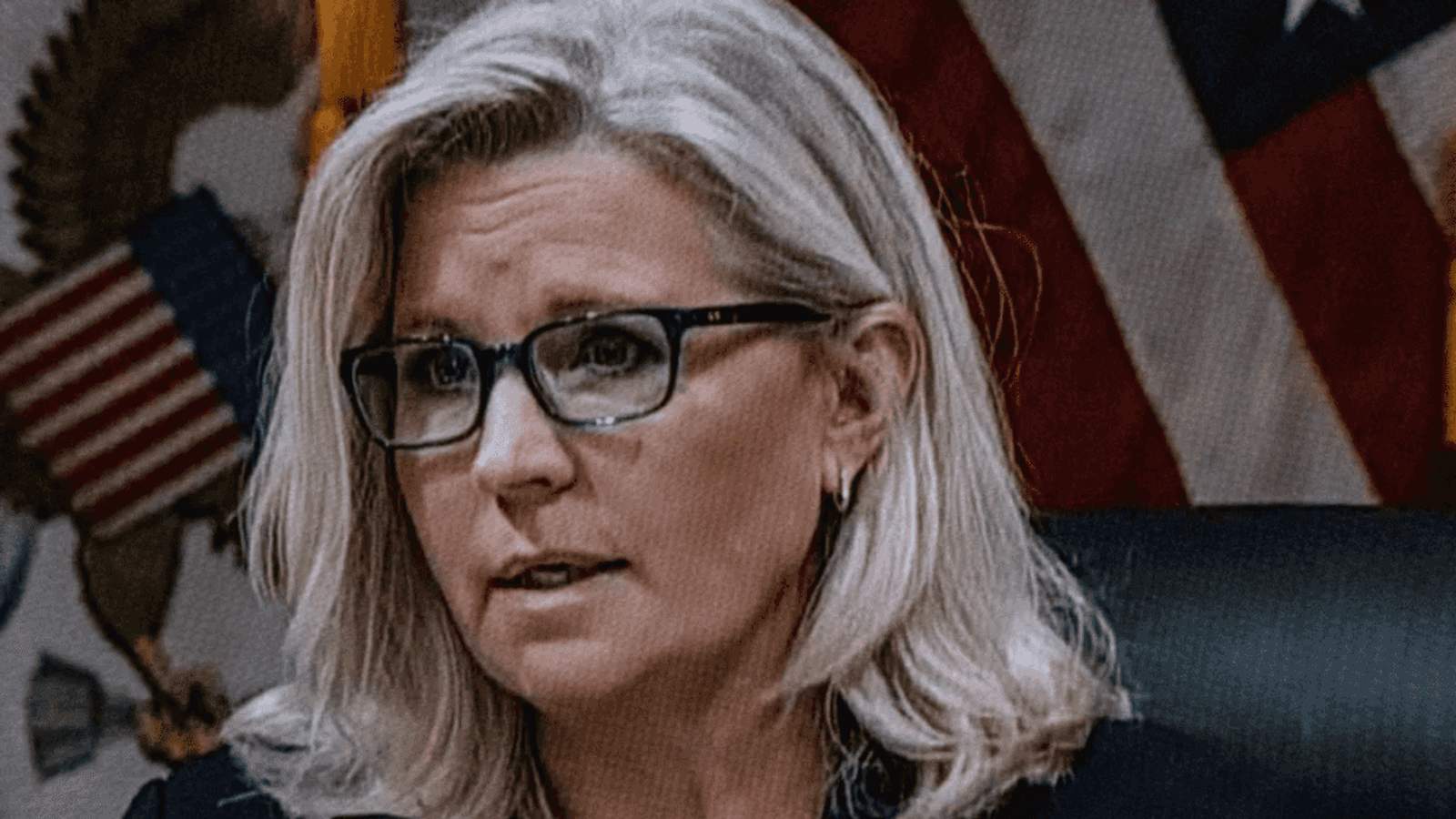
The debate extends to the federal level, where female lawmakers have often been among the most vocal proponents of constitutional adherence during moments of political crisis. Following the January 6, 2021, attack on the U.S. Capitol, former Representative Liz Cheney emerged as a central figure in the House January 6 Select Committee. Cheney, who was one of only two Republicans on the panel, faced significant political blowback but maintained that her duty to the Constitution superseded the importance of retaining her seat.
Senate voting records provide further data for comparison. When the Senate voted on the conviction of Donald Trump for inciting an insurrection, Republican women in the chamber—Susan Collins of Maine and Lisa Murkowski of Alaska—both voted to convict. While five Republican men also supported conviction, they represented only 12 percent of the male Republican caucus, whereas the two women accounted for 25 percent of their caucus representation. These instances have reinforced the perception that, in high-stakes moments, women in political office may be more willing to risk their careers to uphold democratic processes.
The Complexity of Political Motivation
Experts note that while these examples are significant, they do not suggest that women are uniformly more principled. The political landscape remains deeply divided, and partisan loyalty continues to be the dominant driver for both genders. However, the willingness of groups like those in Utah to cross traditional party lines—with a membership that includes both Republicans and Democrats—suggests that the defense of democratic institutions is increasingly becoming a non-partisan priority for many women. As the 2026 election cycle approaches, the impact of these efforts on electoral map-making and legislative accountability will remain a key area of observation.