


A Clinical Investigation into Superstition
In a unique intersection of modern medicine and local folklore, Thai surgeons have conducted a formal study to investigate a persistent superstition: the belief that ordering Kentucky Fried Chicken (KFC) during a hospital shift inevitably triggers a surge in emergency patients. As reported in an article published by DNyuz on November 4, 2026, the study was led by Dr. Thanat Tantinam, a colorectal surgeon, and his colleagues at Phatthalung Hospital.
The research, which was published earlier this year in the Annals of Surgery Open, involved a randomized control trial of 345 surgical shifts. The team compared patient caseloads and clinical outcomes across three groups: surgeons who ate KFC, those who consumed food from a local chain called Five Star Chicken, and a control group that ate nothing. The results demonstrated no statistical correlation between the consumption of KFC and an increase in emergency admissions, effectively debunking the jinx from a scientific perspective.
The Cultural Persistence of the Myth
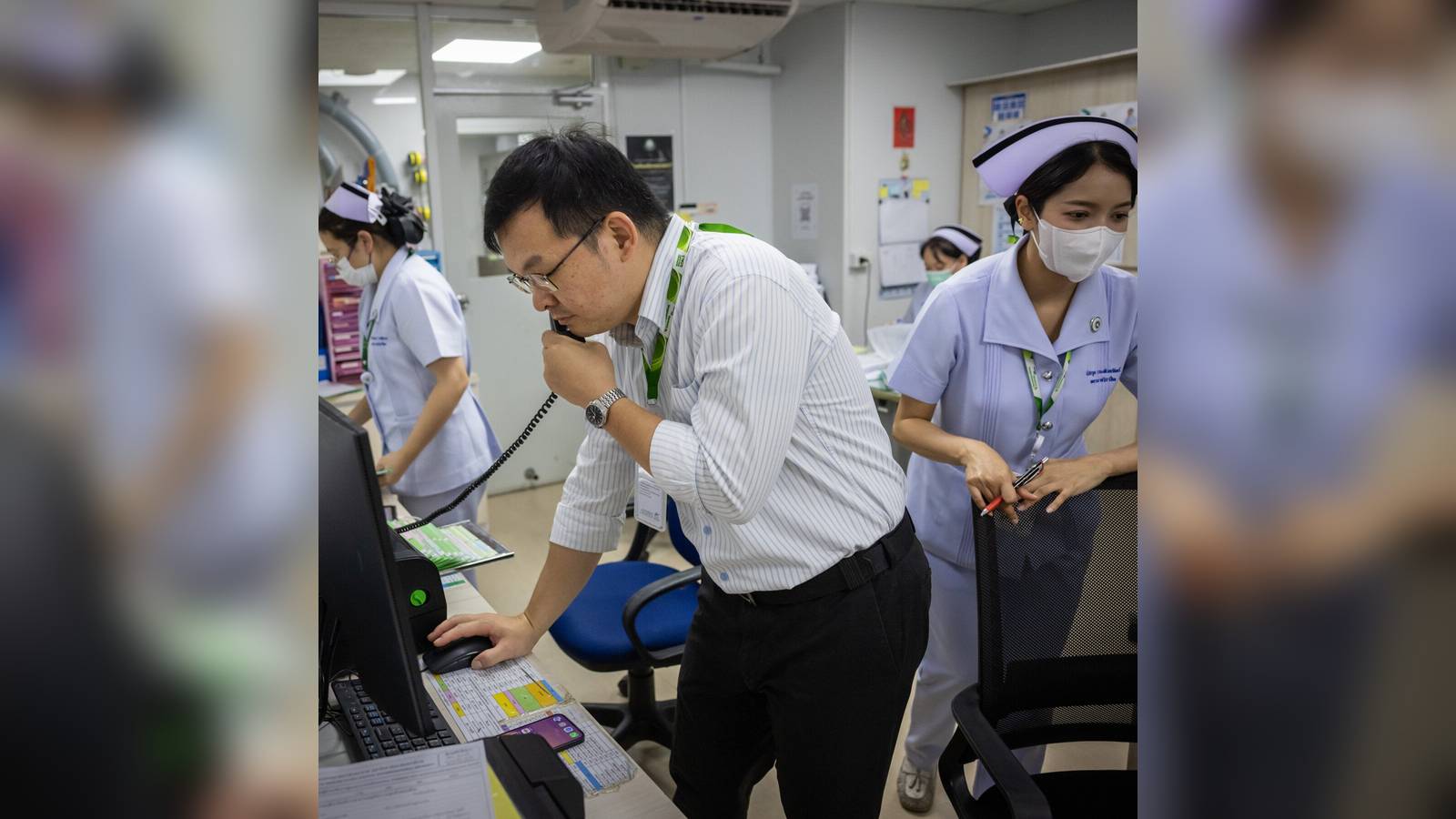
Despite the clinical findings, the superstition remains deeply embedded in Thai hospital culture. Dr. Thanat, who admits he still harbors an 80% belief in the curse despite his own data, noted that the myth is particularly prevalent in public hospitals where staff face high workloads. The phenomenon highlights a broader cultural reality in Thailand, where, according to Theeranuch Pusaksrikit, a business professor at Chulalongkorn University, scientific training and traditional beliefs often coexist without conflict.
The KFC brand itself has acknowledged the trend. Suhayl Limbada, the former chief marketing officer of KFC Thailand, noted that internal sales data previously showed a dip in orders near hospitals, suggesting that the fear was widespread enough to influence consumer behavior. In November 2024, the company launched a marketing campaign in stores near hospitals, rebranding their packaging to read “This is not KFC” in an attempt to provide a “cleansing ritual” for superstitious staff.
Solidarity in Unpredictable Environments
Experts suggest the myth serves as a psychological coping mechanism for medical professionals. In high-pressure environments like emergency rooms, where outcomes are often beyond a physician’s control, adhering to a shared, quirky rule can provide a sense of agency. Dr. Thanat argues that the persistence of the curse may also reflect deeper, systemic issues within the public healthcare sector, including long-standing concerns regarding the compensation and working hours of staff compared to their private-sector peers.