


A Shift in Declaratory Policy
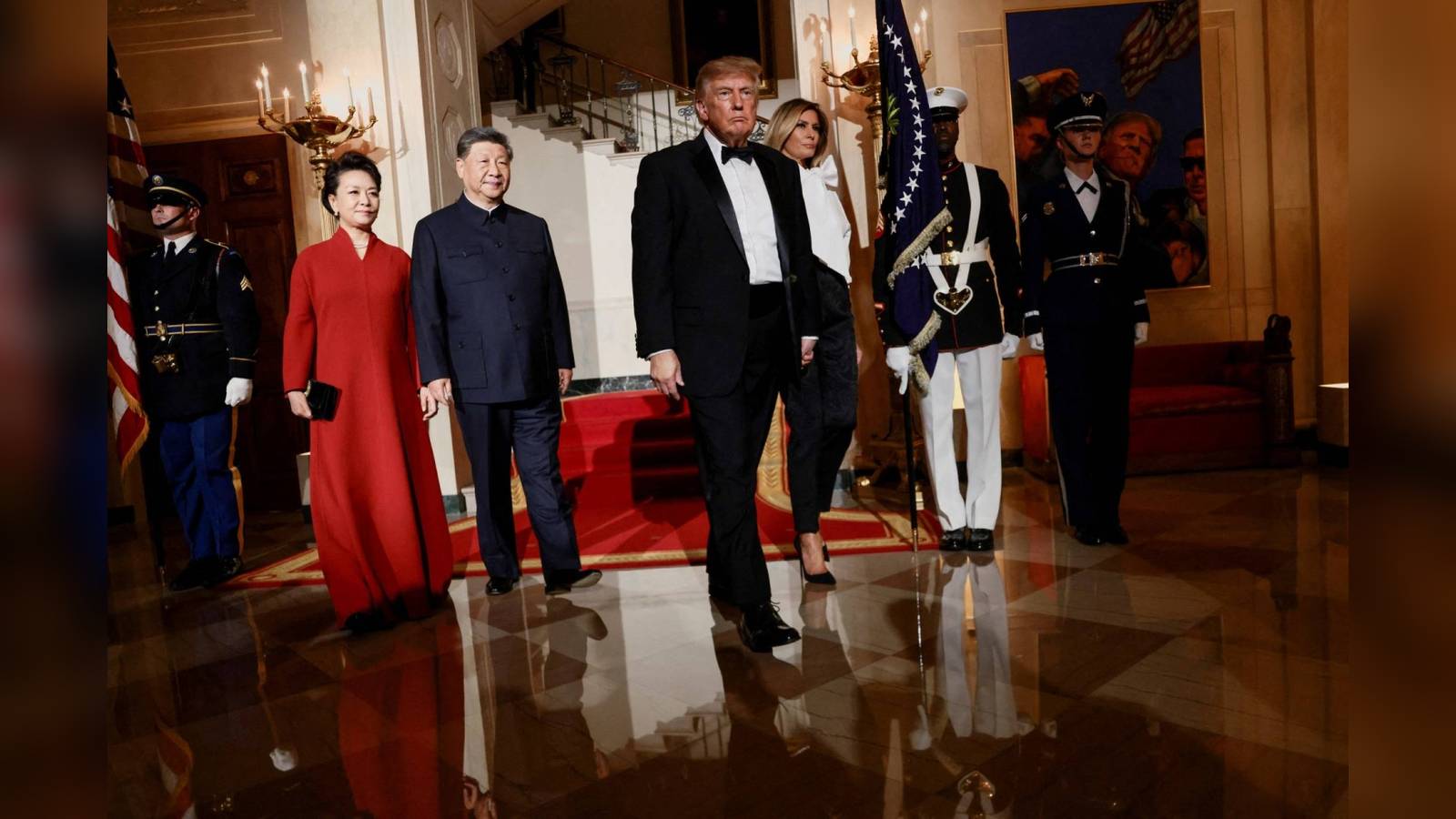
Chinese leader Xi Jinping utilized a high-profile summit at the White House on Thursday to urge U.S. President Donald Trump to formally “oppose” Taiwan independence. The request, delivered during a roughly two-hour meeting, represents one of Beijing’s most explicit attempts to pressure Washington into altering its long-standing strategic ambiguity regarding the democratic island, according to reporting by The Japan Times.
While the United States maintains a “robust unofficial relationship” with Taipei and is legally bound to provide defensive capabilities, it has historically avoided explicitly stating it “opposes” independence, preferring the stance that it “does not support” such a move. Analysts noted that Beijing likely views this shift as a means to erode confidence in U.S. security guarantees for Taiwan.
The Historical Framing
The summit was marked by unusual historical rhetoric from President Trump, who emphasized common interests between the two nations, even citing their alliance during World War II. “Look at the greatness that we had together fighting in World War II,” Trump remarked. The framing was particularly striking given that the conflict saw Chiang Kai-shek’s Kuomintang—the party that subsequently fled to Taiwan—fighting against the Chinese Communist Party forces led by Mao Zedong.
Xi echoed the sentiment of historical cooperation against “fascist aggression,” though neither leader made direct mention of Japan. The rhetoric comes at a time when Tokyo is increasingly anxious that Trump may pursue a “grand bargain” with Beijing, offering economic concessions in exchange for tacit acceptance of Chinese territorial objectives, potentially at the expense of Japanese regional security interests.
Stakes for Tech and Trade
Beyond the diplomatic maneuvers, the summit highlights the precarious position of Taiwan’s technology sector. According to The Counteroffensive, the island is currently navigating a complex economic landscape where domestic tech firms are under pressure to balance deep integration with the global economy against the risk of being caught in the crossfire of U.S.-China technology competition. Concerns have emerged regarding “label-laundering” and chip smuggling, which threaten to undermine the trust placed in Taiwanese manufacturing.
Trump’s previous characterization of a $14 billion arms package for Taiwan as a “negotiating chip” remains a point of contention. Reports suggest the administration is considering delaying these sales, potentially until after the upcoming APEC summit in Shenzhen or the G20 meeting in Florida, raising fears among observers that the pause could become permanent.
Lack of Substantive Breakthroughs
Despite the display of personal rapport, the summit concluded with few concrete outcomes on major policy disputes. While the two leaders agreed to extend a pause on their trade war until January 10, little progress was reported on AI regulation or security concerns. Both leaders emphasized the need for “human control” over AI, but Trump suggested he preferred to leave the current regulatory landscape unchanged, a stance that aligns with Beijing’s preferences.