


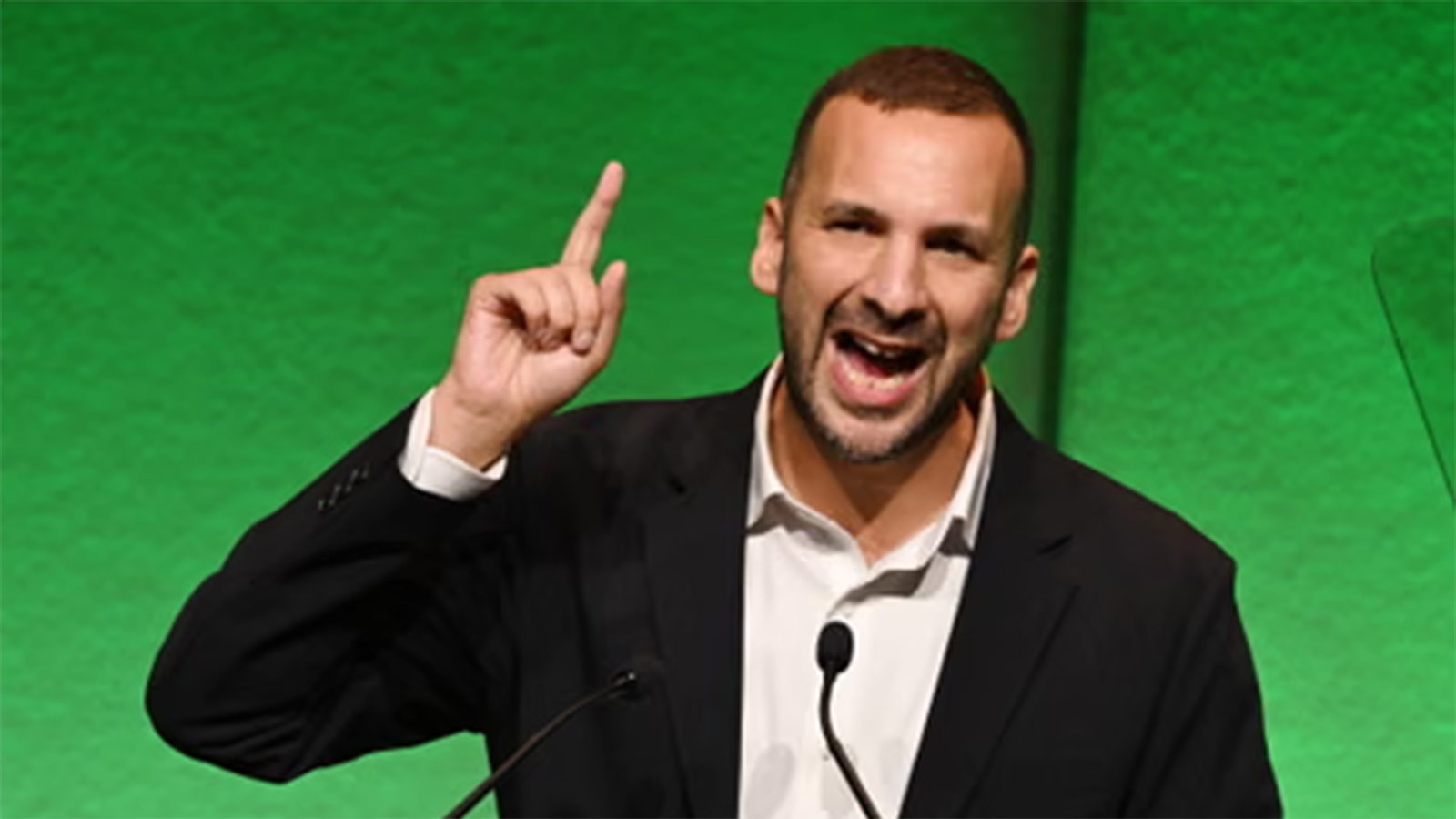
In the final weeks of 2025, Zack Polanski, the relatively new leader of the Green Party of England and Wales, is emerging as one of the most provocative figures in British politics. His ascent—just three months after his election—has been marked by a surge in party membership and polling numbers that would have seemed unthinkable a year ago. But behind this wave of popularity lies a deeper story: a battle over the future direction of British economic and migration policy, with Polanski at its center.
Polanski’s Economic Vision: Beyond Orthodoxy
Polanski’s economic philosophy is nothing if not radical. Since taking the helm, he has openly rejected the “narrow terms” that have defined British fiscal debate for decades. On the night of his election, appearing on BBC’s Newsnight, Polanski delivered a message that rattled the financial establishment: “We don’t need to borrow, we don’t need to tax and spend. We need to spend and tax.” His words, echoing the principles of Modern Monetary Theory (MMT), sought to dismantle the persistent myth that national economies must operate like household budgets, forever balancing books under the threat of market panic.
For Polanski, the old “austerity narrative”—championed by both Tory and Labour governments—has only deepened social and ecological injustice. Instead, he calls for a new paradigm: Democratic Public Finance (DPF). DPF, advocated by heterodox economists and collectives like Money on the Left, asks not whether there’s enough fiscal space for green energy or education, but how governments and communities can redesign money creation to prioritize justice and sustainability. In Polanski’s framing, money is not a scarce commodity to be hoarded; it is a tool, a “world-making act,” capable of empowering local councils and universities to address urgent needs.
This approach challenges four decades of neoliberal orthodoxy, which has treated money as finite and inherently private, placing it beyond the reach of democratic design. Why, Polanski asks, can commercial banks create money but not local councils or NHS trusts? Why is investment in green infrastructure often dismissed as unaffordable, while ecological destruction gets a pass?
Such questions have triggered resistance both within and outside the Green Party. Some left-wing members dismiss MMT as technocratic, while others warn of market instability. Yet, as MR Online reports, Polanski’s leadership may represent the first real challenge to economic orthodoxy from a major UK politician since Margaret Thatcher. The emergence of the Verdant think tank, aiming to “convince voters” of the Greens’ economic credibility, is itself a sign of the debate Polanski has ignited.
Migration and Compassion: The Christmas Message Controversy
Polanski’s willingness to defy convention is not limited to economics. This Christmas, he made headlines—and sparked outrage—by releasing a pro-migration video at the same time as King Charles’s traditional address, a ritual dating back to 1932. Critics, including politicians and activists, called the move “disrespectful” and “egotistical,” while others welcomed the break from tradition as “refreshing.”
In his message, Polanski focused on the plight of migrants in Calais. Having spent three days at the French port, he described witnessing French police—funded by British taxpayers—destroying tents and confiscating wood from migrants braving the winter cold. “I don’t believe we’re the country who the media paint us to be,” he said. “I don’t believe that we’re cruel and heartless. And I don’t believe that if people saw what I’ve seen in recent days, they would turn away.”
Polanski called for an end to the “cruelty” of current policies and urged that £476 million spent on border enforcement be redirected to a system based on “compassion, kindness and humanity.” He appealed for donations to Calais Appeal, a charity supporting asylum seekers with essentials like food, water, and shelter.
Despite his stance, public opinion remains divided. Polls show most Britons want Channel crossings to end, while rival politicians—Labour’s Keir Starmer and Reform UK’s Nigel Farage—have promised tough measures to “stop the boats.” Yet Polanski’s message is resonating with left-wing voters disillusioned by the mainstream parties’ rhetoric.
Hope, Youth, and the Future of British Politics
For Polanski, economic and migration reform are not just policy battles—they are matters of hope. Speaking to HuffPost UK, he described how young people, facing unaffordable housing, precarious employment, and rising debt, feel powerless to shape their future. “Perpetual inertia is how our elites want us to feel. Because it means no change,” he said. By championing kindness and celebrating difference, Polanski believes the Green Party can inspire a movement that puts people back in control.
This message is catching. Many new Green Party members, especially the young, cite Polanski’s vision as their motivation. As one mother told him, “We haven’t just brought hope.” In a political landscape often marked by despair and division, Polanski’s optimism stands out.
The Road Ahead: Challenges and Opportunities
Polanski’s dual challenge—to economic orthodoxy and migration rhetoric—has earned him both fierce critics and passionate supporters. Right-wing commentators have dismissed his ideas as “fantasy economics,” and centrist politicians have expressed “horror” at his approach. But as 2025 closes, the Green Party’s polling surge suggests that many Britons are ready for a new conversation.
The party’s 2024 manifesto already hints at DPF, calling for regional mutual banks to drive investment in decarbonisation and local sustainability, and for public ownership of essential infrastructure. These policies, reframed through Polanski’s lens, treat public services as shared assets rather than burdensome costs.
What remains to be seen is whether Polanski can transform his bold rhetoric into durable change. The launch of Verdant and growing debate within the Greens signal that the battle is far from over. But Polanski’s willingness to ask uncomfortable questions—and to center hope and humanity in his politics—may yet prove transformative.
Polanski’s leadership is a stress test for British democracy: Can new ideas about money and migration break through decades-old myths and political inertia? His approach, rooted in both radical economics and unapologetic compassion, challenges not only his opponents but the entire political system to rethink what is possible. The coming year will reveal whether hope, as Polanski insists, really can catch on.
- Polanski was elected Green Party leader in September 2025, sparking unprecedented growth in party membership and polling.
- He advocates for Democratic Public Finance, challenging the conventional “tax and spend” orthodoxy and emphasizing community empowerment.
- His pro-migration Christmas message, released at the same time as King Charles’s speech, called for redirecting border enforcement funds to humanitarian aid.
- Polanski’s policies and rhetoric have polarized public opinion but energized young and left-wing voters.
- Sources: MR Online, GB News, HuffPost UK, Nation.Cymru