


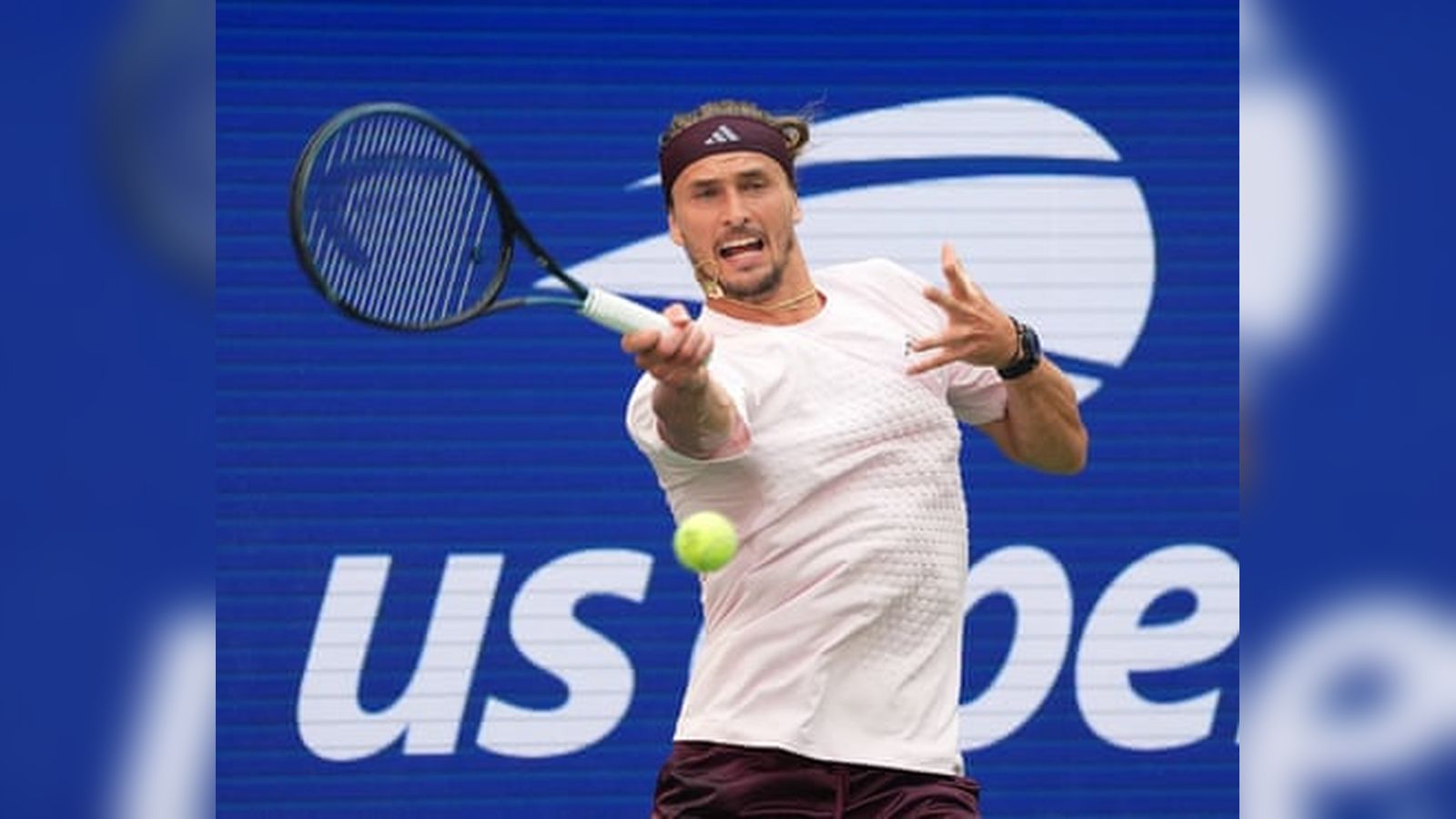
NEW YORK — The 2026 US Open men’s singles final at Arthur Ashe Stadium brought together two contrasting narratives of modern tennis: Alexander Zverev’s methodical, baseline-heavy quest for major redemption and Ben Shelton’s meteoric, high-velocity rise in front of a raucous home crowd. On September 13, 2026, the hard courts of Flushing Meadows became the battleground for a Grand Slam title that carries heavy tactical, historical, and tour-wide implications.
For Zverev, the 2026 Roland Garros champion and Wimbledon finalist earlier this summer, returning to the US Open final represents a return to the site of his most painful career setback—a heartbreaking loss in the 2020 final to Dominic Thiem played inside an empty stadium during pandemic restrictions. For the 23-year-old Shelton, reaching his maiden Grand Slam final caps a breakthrough fortnight in which he dismantled top-tier opponents, including a quarter-final victory over world number one Carlos Alcaraz, positioning him as the first American man in a US Open final since Taylor Fritz and the first Black American man to reach the New York final since Arthur Ashe in 1972.
Tactical Geometry: The Two-Handed Backhand vs. The Left-Handed Serve
The tactical core of this matchup centers on Zverev’s formidable wall of defense against Shelton’s explosive left-handed serve and aggressive forehand. Zverev’s two-handed backhand is widely regarded as one of the most stable wing-shots on the ATP Tour, specifically structured to absorb and counter the high-bouncing, heavy-topspin serves that left-handed players typically deploy to the ad-court.
According to live match tracking from The Guardian, Zverev capitalized early on this structural advantage during the opening set, securing a break in the initial games as Shelton struggled to establish second-serve consistency. While Shelton unleashed serves reaching up to 147mph, Zverev’s deep return positioning neutralised the pace, forcing extended baseline exchanges exceeding 13 to 16 shots where the German held a clear statistical edge.
To counter Zverev’s baseline control, Shelton adjusted his service pacing in the middle of the match, shifting down from maximum velocity to varied deliveries between 100mph and 123mph with altered spin. This change of pace briefly unsettled Zverev’s rhythm, but the German maintained a streak of over 50 consecutive service holds against Shelton across their career head-to-head history, underscoring the severe technical hurdle the young American faced on key points.
Head-to-Head History and Extended-Set Endurance
Entering the 2026 final, Zverev held an unblemished 5-0 record against Shelton, having won 10 out of their 11 previous sets across meetings in Cincinnati, Munich, Stuttgart, and the ATP Finals. However, Grand Slam tennis presents a fundamentally different test of endurance and tactical adaptation over a best-of-five format.
Both players navigated grueling pathways to reach the Sunday showcase. Zverev survived a knife-edge opening round, coming within two points of elimination against Lorenzo Sonego before winning in five sets, followed by a four-set battle against Quentin Halys. Shelton similarly displayed remarkable resilience throughout the fortnight, recovering from one-set-to-love deficits against both Tallon Griekspoor in the first round and Hubert Hurkacz in the second round before defeating Frances Tiafoe and Alcaraz in later rounds.
Shelton’s record in finals added an element of unpredictability: entering the match, the American boasted a 7-2 overall career record in ATP finals, including a perfect 4-0 mark in 2026 with titles in Dallas, Munich, Stuttgart, and Montreal. His ability to elevate his performance on Sundays became a central pillar of his coaching staff’s strategy, led by his father and coach Bryan Shelton.
Historical Stakes for American Tennis and Tour Dynamics
Beyond the personal achievements of the two finalists, the match carried massive weight for American tennis. The United States male game has endured a 23-year Grand Slam singles drought dating back to Andy Roddick’s victory at the 2003 US Open. Shelton’s run to the final marked only the fifth time an American man reached the Flushing Meadows final this century, following Roddick, Pete Sampras, Andre Agassi, and Taylor Fritz.
Furthermore, Shelton became the first American man since Sam Querrey in 2010 to win ATP titles on all three major surfaces—hard court, clay, and grass—in a single calendar year, demonstrating a rare multi-surface versatility that has elevated him into the top tier of the men’s game.
What Lies Ahead for the ATP Tour
Regardless of the final scoreline, the 2026 US Open final signals a broader shift in the ATP landscape. Zverev’s presence in two Grand Slam finals and one title victory in 2026 cements his status as a dominant multi-surface force alongside Alcaraz and Jannik Sinner. Meanwhile, Shelton’s rapid ascent proves that big-serving, explosive athleticism combined with improved baseline problem-solving can consistently challenge the elite upper echelon of the sport.
As the hard-court season shifts toward the autumn Asian swing and the year-end ATP Finals, the rivalry between Zverev and Shelton is poised to become a recurring fixture at the highest levels of professional tennis.