


Tragedy Over the Nazca Lines
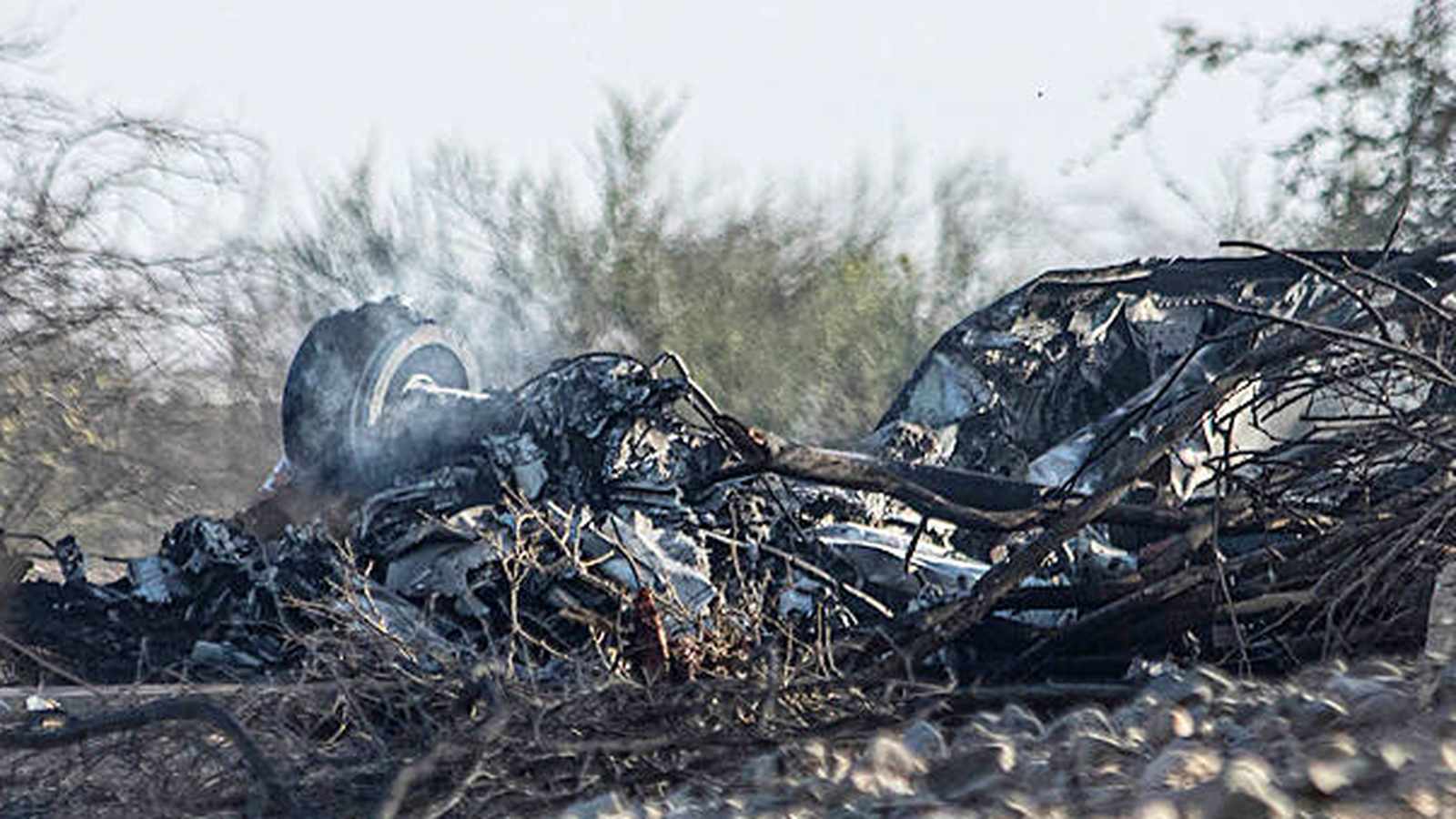
A sightseeing flight turned fatal on Saturday, August 1, 2026, when a small aircraft carrying tourists to view the famed Nazca Lines in southern Peru crashed into a field, resulting in the deaths of all 13 people on board. Peruvian authorities confirmed that the flight, operated by the local firm AeroDiana, lost contact with the control tower shortly after departing from Pisco Airport, approximately 240 kilometers south of Lima.
Police Major Jorge Andrade reported that the recovery efforts at the crash site—located in the area of Pueblo Viejo, roughly 12 kilometers from the Nazca Lines—confirmed there were no survivors. The victims included 11 passengers and two crew members. Among the passengers were seven Italian nationals, two Germans, and two Spaniards. The exact cause of the crash remains under investigation by the Directorate General of Civil Aviation and the Bureau of Aircraft Accidents.
Investigation and Operational Context
The incident has drawn immediate scrutiny toward the safety protocols governing the high-volume tourism industry in the Nazca region. Municipal officials in Vista Alegre suggested that preliminary reports pointed toward an in-flight emergency, though official investigators have yet to confirm a technical failure or environmental factor. Witnesses on the ground described the plane appearing to explode upon impact, leaving the aircraft in a state of severe wreckage.
President Keiko Fujimori has indicated that the government is currently evaluating the potential closure of Pisco Airport, reflecting the gravity of the incident. AeroDiana, the operator, has stated it is cooperating with authorities and intends to release further information as the investigation proceeds. The airline, which has provided aerial tours of the UNESCO World Heritage site for over 14 years, faces significant pressure to justify its maintenance and safety records following this catastrophe.
Safety Record and Industry Stakes
This event is not an isolated occurrence for the region, which hosts dozens of small planes catering to tourists daily. Previous fatal accidents, including incidents in 2022 and 2010, have periodically raised concerns regarding the regulation of light aircraft operations over the desert geoglyphs. As the Nazca Lines remain a primary tourist draw for Peru, the intersection of specialized aviation services and site accessibility faces a critical reassessment by national transport regulators.