


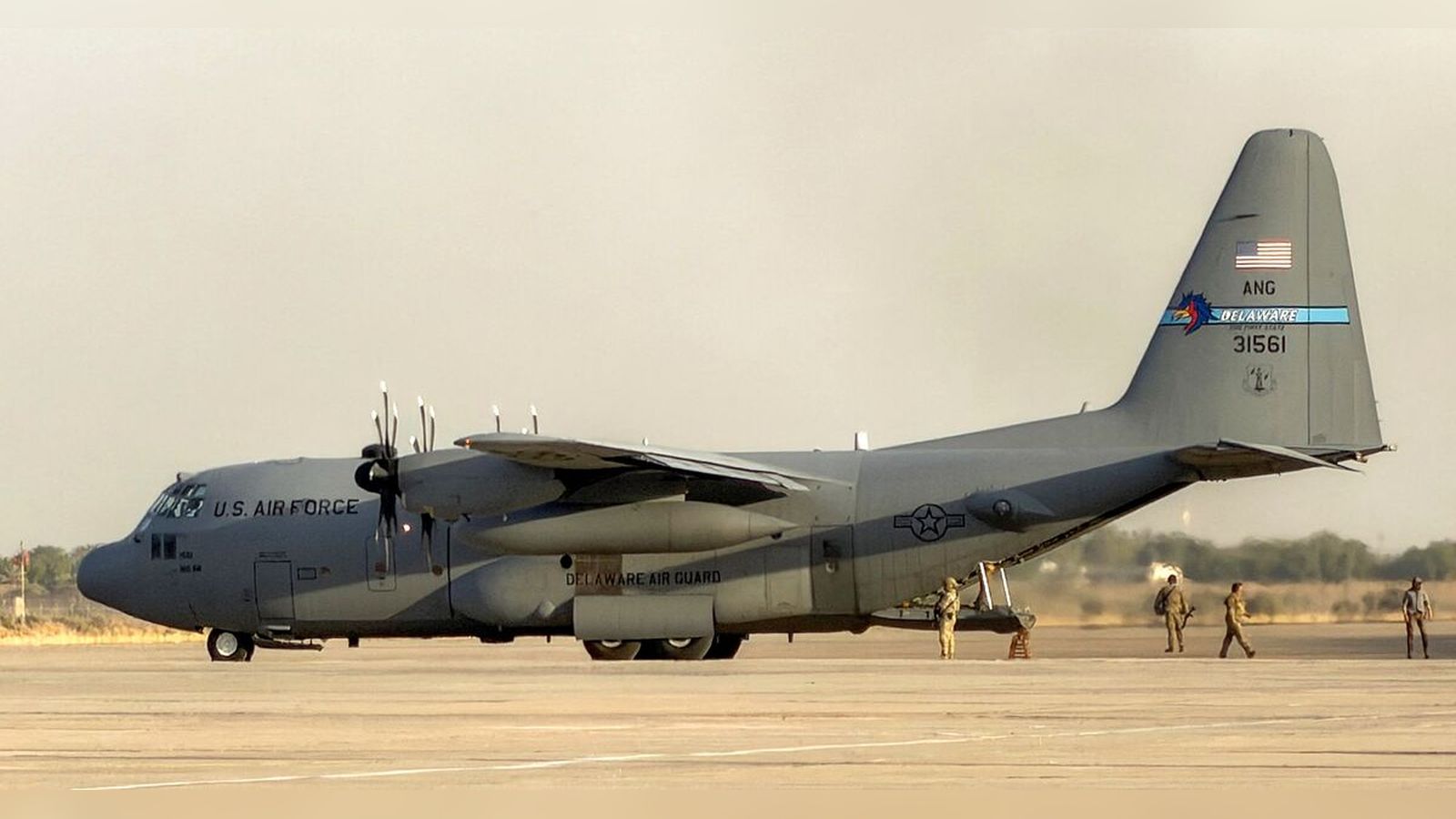
The departure marks a historic turning point for Baghdad. Iraqi Prime Minister Ali al-Zaidi declared that October 1 initiates a new era for the state, with the country free of foreign military presence and national sovereignty fully restored over its territory. The occasion is being marked across the nation with four official public holidays celebrating what authorities termed Independence Day.
Sovereignty and the Militia Disarmament Deadline
The finalization of the US exit arrives as Baghdad navigates a delicate internal security transition. Initially, the Iraqi government linked the departure of foreign forces to the disarmament of its numerous armed factions and their integration into state security structures. However, Prime Minister al-Zaidi announced that the disarmament deadline has been extended to June 30, 2027.
The revised plan introduces a 90-day grace period where paramilitary groups agree to halt attacks in exchange for assurances that US forces will not target them, paving the way for a gradual weapons handover. Yet, prominent security analysts note significant domestic hurdles. Alina L. Romanowski, a distinguished fellow with the Scowcroft Middle East Security Initiative at the Atlantic Council, observed that hard-line armed factions such as Kata’ib Hezbollah, Harakat al-Nujaba, and Kata’ib Sayyid al-Shuhada have given no indication of surrendering their arsenals to the central government.
Renad Mansour, deputy director for the Middle East and North Africa program at Chatham House, told Deutsche Welle that the timeline extension was expected given Iraq’s heavily fragmented political landscape. He noted that Prime Minister al-Zaidi faces intense diplomatic pressure, balancing a desire to maintain a normalized bilateral relationship with Washington while managing powerful domestic factions aligned with Iran.
Regional Power Vacuum and Vulnerable Minorities
The American departure also involves the removal of military personnel and air defense systems from Erbil, the capital of the semi-autonomous Kurdistan Region. Kurdish Prime Minister Masrour Barzani has called on Baghdad for enhanced protection against ongoing missile and drone threats. Local officials reported that recent drone strikes targeted camps associated with Iranian Kurdish opposition groups, intensifying regional anxieties.
Yerevan Saeed, a nonresident senior fellow at the Atlantic Council, warned that vulnerable minority populations, including Christians, Yazidis, and local Kurdish communities, face heightened exposure following the removal of foreign security buffers. Meanwhile, pro-Iranian factions have hailed the withdrawal as a historic strategic victory, with commander Abu Mojtaba al Yasiri of the Islamic Resistance in Iraq praising the end of American military presence.
As security arrangements shift, Modern Diplomacy notes that the broader bilateral relationship is expected to transition toward economic, commercial, and diplomatic cooperation, provided that a secure environment free from militant coercion can be maintained.