


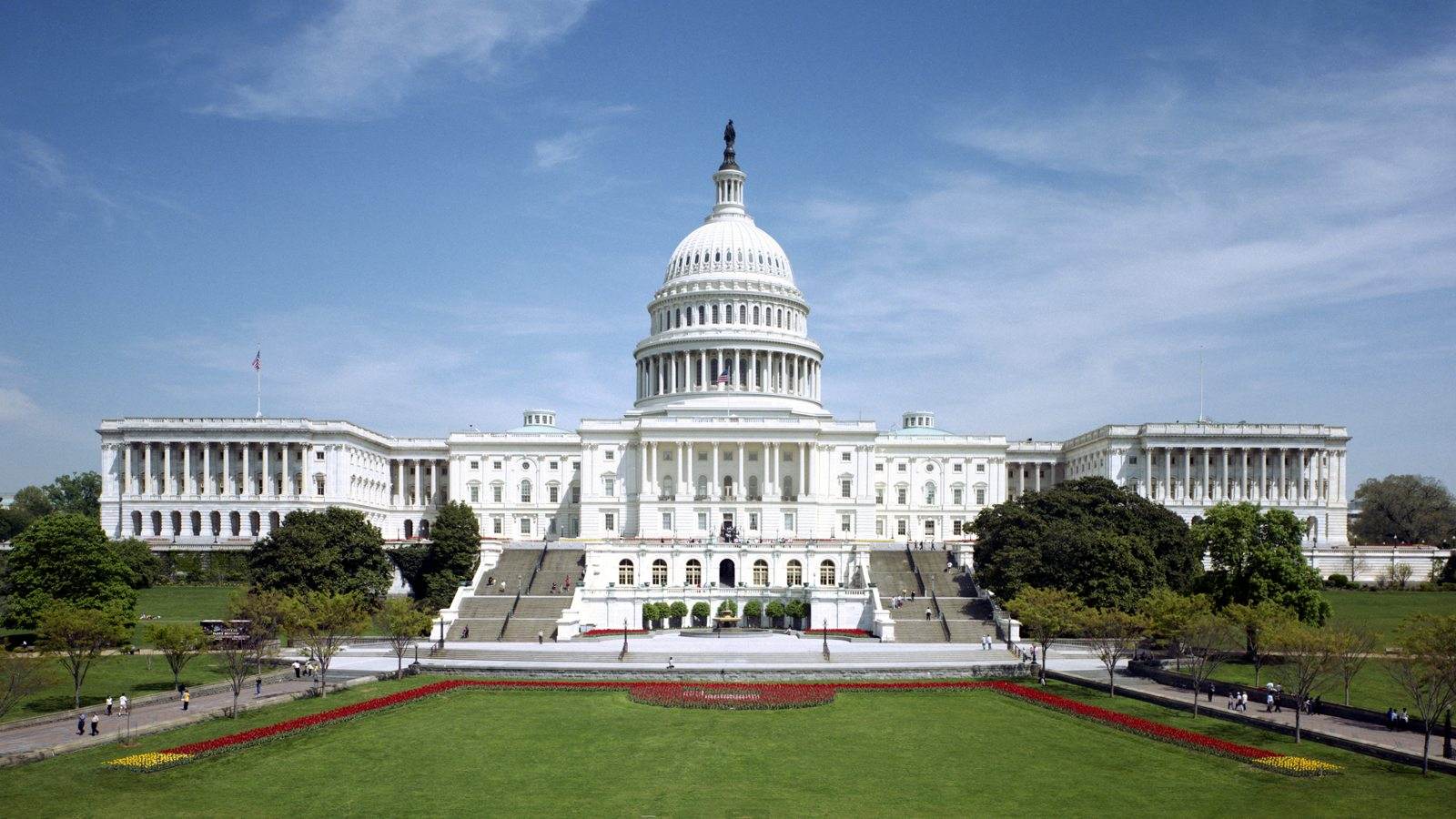
With about two weeks remaining before the midterm elections, the battle for control of the United States Congress has placed the Republican Party on the defensive. Republican candidates running in competitive districts and battleground states are increasingly taking steps to separate themselves from President Donald Trump’s domestic and economic platform, according to political analysis reported by The New York Times. Amid voter anxiety over persistent cost-of-living increases, candidates who previously embraced the administration’s tariff plans and foreign policy are recalibrating their public messaging.
The Shifting Battle for the House
In the House of Representatives, where Democrats require a net gain of just three seats to recapture the majority, electoral forecasters have signaled notable momentum away from the ruling party. The Cook Political Report adjusted its ratings on October 9 for 18 congressional districts in favor of Democratic candidates. Key shifts include two Republican-held seats in Iowa, represented by Zach Nunn and Mariannette Miller-Meeks, which moved into the “lean Democratic” category, alongside Republican concessions in open suburban districts such as the Nebraska seat vacated by retiring Representative Don Bacon.
Republican leaders have downplayed systemic policy weaknesses, attributing tightening races to voter turnout dynamics. House Majority Whip Tom Emmer argued that conservative voters may feel too satisfied with presidential outcomes to turn out in high numbers during midterm cycles. Meanwhile, Democratic leadership, headed by House Minority Leader Hakeem Jeffries, has drawn structural parallels to the 2018 cycle, maintaining that consumer frustration over household prices provides an opening to expand their electoral map beyond traditional party bastions.
Senate Expansions in Red-Leaning States
The Senate landscape presents equal volatility, with Democrats challenging incumbents and open seats across deeply conservative terrain. In North Carolina, former Democratic Governor Roy Cooper has built a commanding position, while Georgia’s incumbent Senator Jon Ossoff holds a steady lead over Republican challenger Mike Collins. Further expanding their offensive, Democratic groups such as the Senate Majority PAC have initiated multi-million-dollar ad reservations in deep-red states, including Kansas, Alaska, Iowa, Ohio, and Texas.
In Ohio, polling conducted by CNN and SSRS revealed that 76 percent of surveyed voters believe the administration’s economic policies have increased everyday costs. Democratic candidate Sherrod Brown holds a six-point advantage over Republican Senator Jon Husted, despite repeated campaign appearances in the state by Trump and Vice President JD Vance. Similar competitive margins have emerged in Texas, where Democrat James Talarico is challenging Republican candidate Ken Paxton.
Financial Strength Against Policy Backlash
Despite deteriorating polling indicators in several critical regions, Republicans retain an overwhelming financial reserve. Outside political action committees and mega-donors have poured hundreds of millions into competitive races. Tech executive Elon Musk has directed more than $276 million to conservative organizations since July, bolstering advertising campaigns designed to highlight cultural divides and insulate vulnerable candidates from federal headwinds.
Policy friction within the party continues to surface, as highlighted in reporting carried by The San Juan Daily Star. A recent White House proposal suggesting diesel imports from Russia to temper domestic pump prices drew sharp criticism from moderate Republicans, including Representative Brian Fitzpatrick of Pennsylvania, as well as Senate contenders Dan Sullivan in Alaska and Mike Rogers in Michigan. With early balloting already exceeding 600,000 votes in key Senate battlegrounds, candidates face an increasingly narrow window to persuade undecided voters before Election Day.