


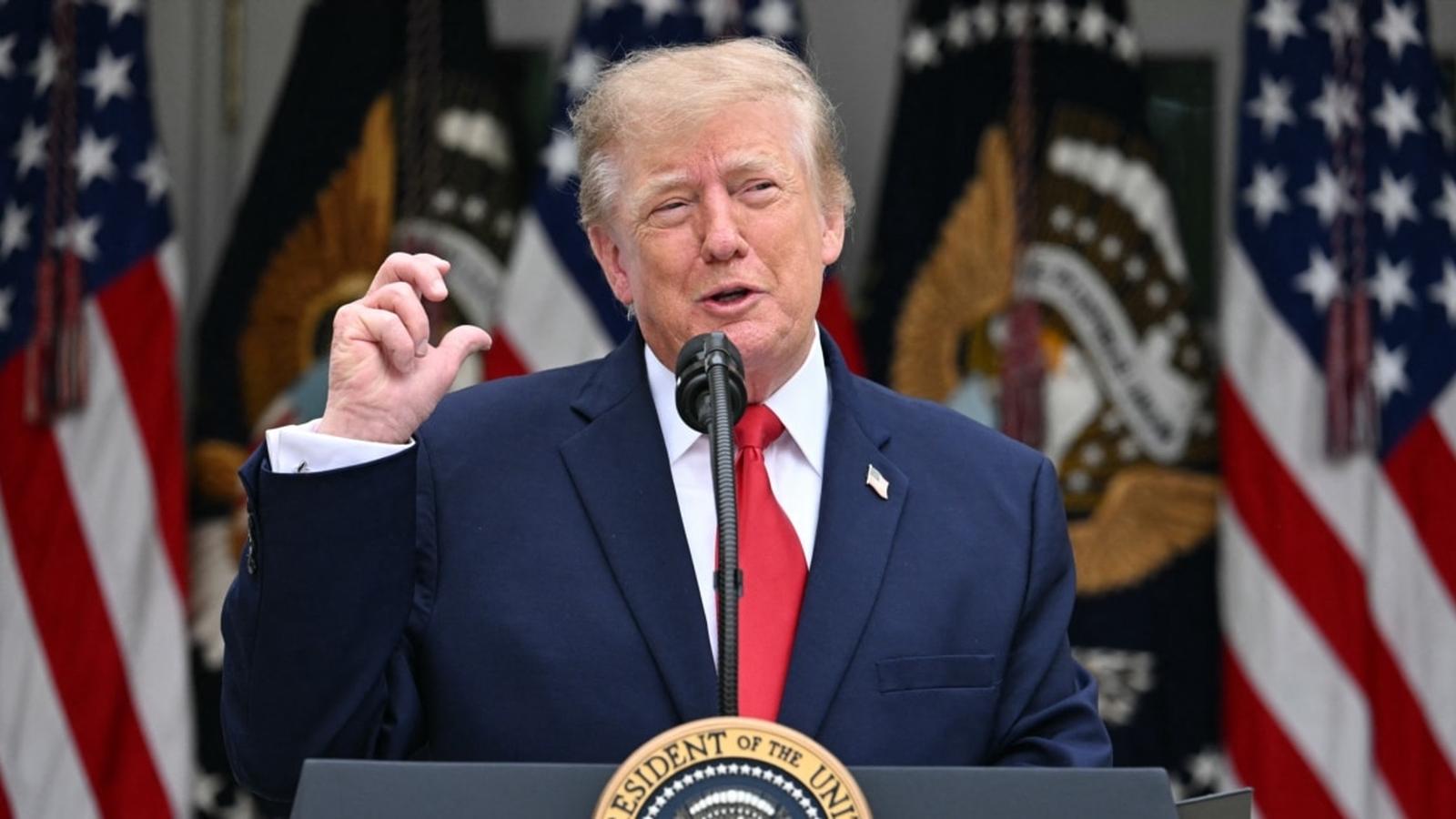
The suspended legislation, formally known as the Lindsey O. Graham Sanctioning Russia and Iran Act of 2026, was signed into law by Trump only last month after passing through the House of Representatives and the Senate by large majorities. Named after the late Republican Senator Lindsey Graham, who died unexpectedly in July, the bill was drafted alongside Democratic Senator Richard Blumenthal. It aimed to penalize Russian banks, state officials, and the shadow fleet carrying Russian energy exports, while directing the administration to impose tariffs of up to 100 percent on major global importers of Russian oil and gas.
In his executive order signed late Friday, October 16, Trump cited the “national interests of the United States” as the justification for withholding the sanctions but did not elaborate further on the decision. The administration previously announced plans to import diesel fuel from Russia in an effort to cool surging domestic energy costs ahead of the November midterm elections.
Capitol Hill and European Pushback
The policy pivot immediately galvanized opposition in Washington. Sen. John Cornyn, R-Texas, criticized the move on social media, writing that Graham “would be appalled” by the suspension and calling the decision reckless for national security. Sen. Thom Tillis, R-N.C., described the waiver as “beyond irresponsible” and a capitulation to a Kremlin leadership that continues to target Ukrainian civilians.
Democratic lawmakers were equally vocal. Senate Minority Leader Chuck Schumer, D-N.Y., characterized the arrangement as a “deal with the devil” that offers the Russian economy vital life support. Sen. Richard Blumenthal, D-Conn., urged Republican colleagues to join in condemning what he termed a “craven, cowardly action.”
Ukrainian President Volodymyr Zelenskyy also condemned the decision, warning in a statement that easing financial pressure on Moscow encourages continued attacks on Ukraine’s critical infrastructure and energy grid.
Defending the White House Position
While the waiver drew intense domestic and international criticism, it found support among congressional allies who prioritize lower fuel prices for American consumers. Rep. Thomas Massie, R-Ky., welcomed the executive order, stating he was glad to see restrictions lifted from provisions he considered burdensome.
Meanwhile, the move was warmly received in Moscow. Russian special envoy Kirill Dmitriev hailed the decision as an “important and truly historic moment,” asserting that economic cooperation between the United States and Russia serves the stability of the global economy and builds a foundation for lasting peace.
With the Treasury Department issuing a temporary general license permitting Russian diesel sales until April, lawmakers on Capitol Hill are weighing legislative maneuvers to block the arrangement and enforce the mandatory penalties established under the original bipartisan legislation.