


A New Administrative Pillar for AI
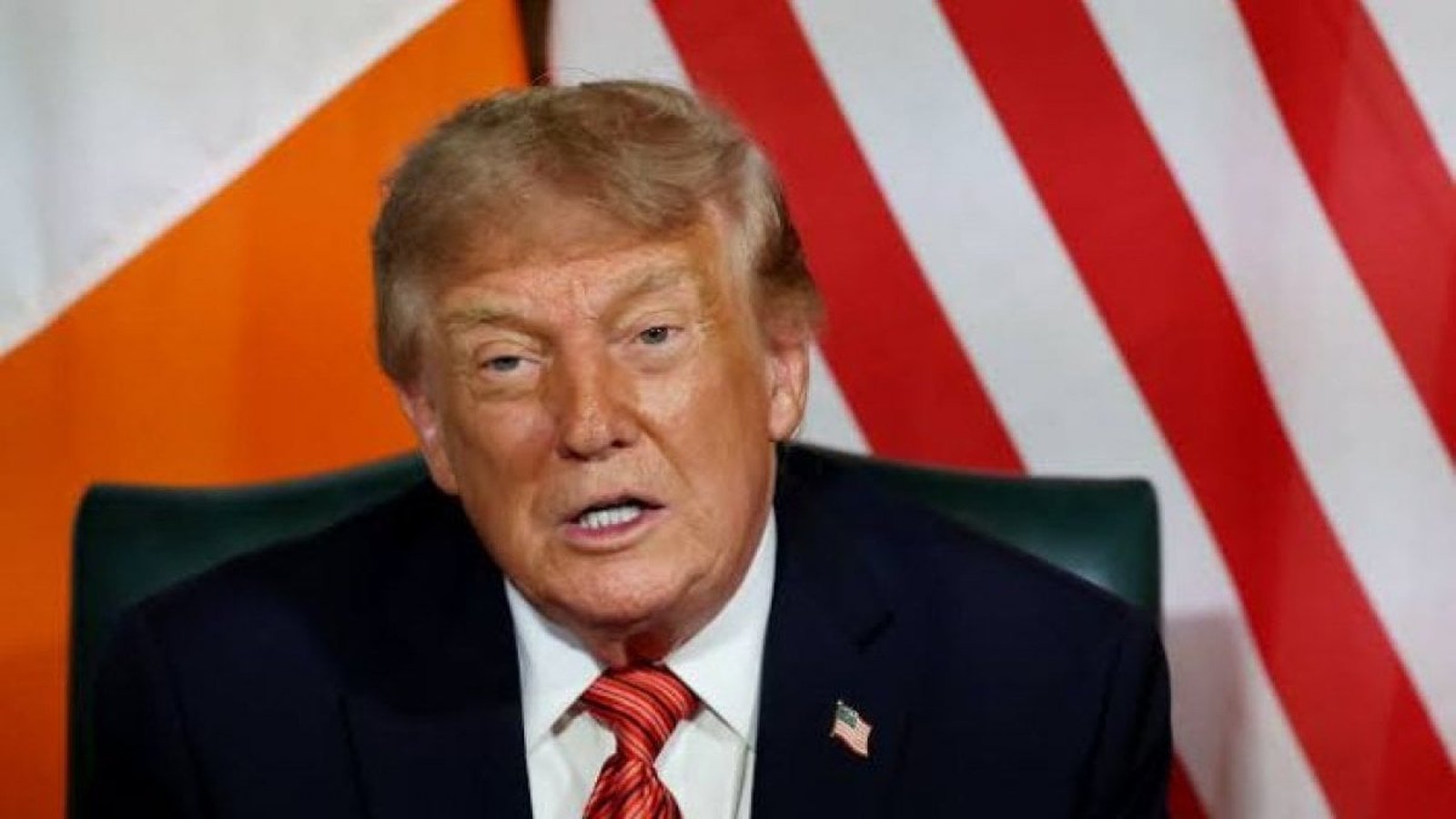
President Donald Trump announced on Saturday plans to establish an “AI Force” and appoint a federal “czar” to oversee the rapidly evolving artificial intelligence sector. The move, communicated via social media, frames the initiative as a parallel to the creation of the Space Force during his first term, which he characterized as a major success. Trump stated that the new body would monitor technology developments, though he provided few details regarding its specific mandate, budget, or legal authority.
The announcement arrives amid intensifying debate over the risks posed by autonomous systems. While industry figures, including OpenAI’s Sam Altman and entrepreneur Elon Musk, have recently called for a slowdown in development due to safety concerns, Trump has remained steadfast in his opposition to heavy regulation. He dismissed the warnings as a “hoax” orchestrated by political opponents, arguing that such calls are part of a “sick conspiracy” intended to benefit China by stifling American innovation.
Economic Stakes and Geopolitical Competition
Trump’s policy approach is rooted in the belief that AI represents the next “Industrial Revolution” and could account for up to 25% of the US GDP. According to The Guardian, the President remains focused on ensuring the United States maintains its technological edge over China, particularly ahead of his upcoming meeting with President Xi Jinping. He maintains that the only “guardrails” necessary for the industry are a strong, high-IQ executive, rather than restrictive legislative frameworks.
This “hands-off” stance faces internal opposition from within his own party. Several Republican governors, including Florida’s Ron DeSantis and Utah’s Spencer Cox, have urged Congress to pass safety legislation. These officials argue for measures such as allowing states to criminally charge companies for illegal acts committed via their AI tools and blocking the sale of high-end technology to China.
Branding and Public Engagement
Beyond policy, the President has engaged in a public branding exercise regarding the technology itself. Trump has questioned the term “artificial intelligence,” suggesting it is an inaccurate descriptor for the current data-processing revolution. He has proposed alternatives such as “Superior Intelligence,” “Extreme Intelligence,” or “Supreme Intelligence,” and has invited public input on the matter. This effort reflects a broader strategy of keeping his base engaged while framing the AI race as a matter of national prestige and economic survival.
The administration’s path forward remains complex. While the President emphasizes growth, states like California are moving independently to develop safety regulations, including potential “kill switch” mechanisms for rogue programs. As the administration prepares to formalize the “AI Force,” the tension between rapid commercial expansion and the demand for robust safety guardrails is likely to define the next phase of US technology policy.