


National Airspace Stabilized After Nationwide Ground Stop
U.S. Transportation Secretary Sean Duffy confirmed that the Federal Aviation Administration (FAA) has disabled the data broadcasting capability of 69 air traffic control routers nationwide following a major network failure that triggered a nationwide ground stop on November 13, 2026. The emergency intervention comes as federal investigators, including the FBI, work to determine whether faulty hardware, installation errors, or misconfigurations caused two specific routers in Arkansas and Texas to flood the agency’s infrastructure with connection attempts.
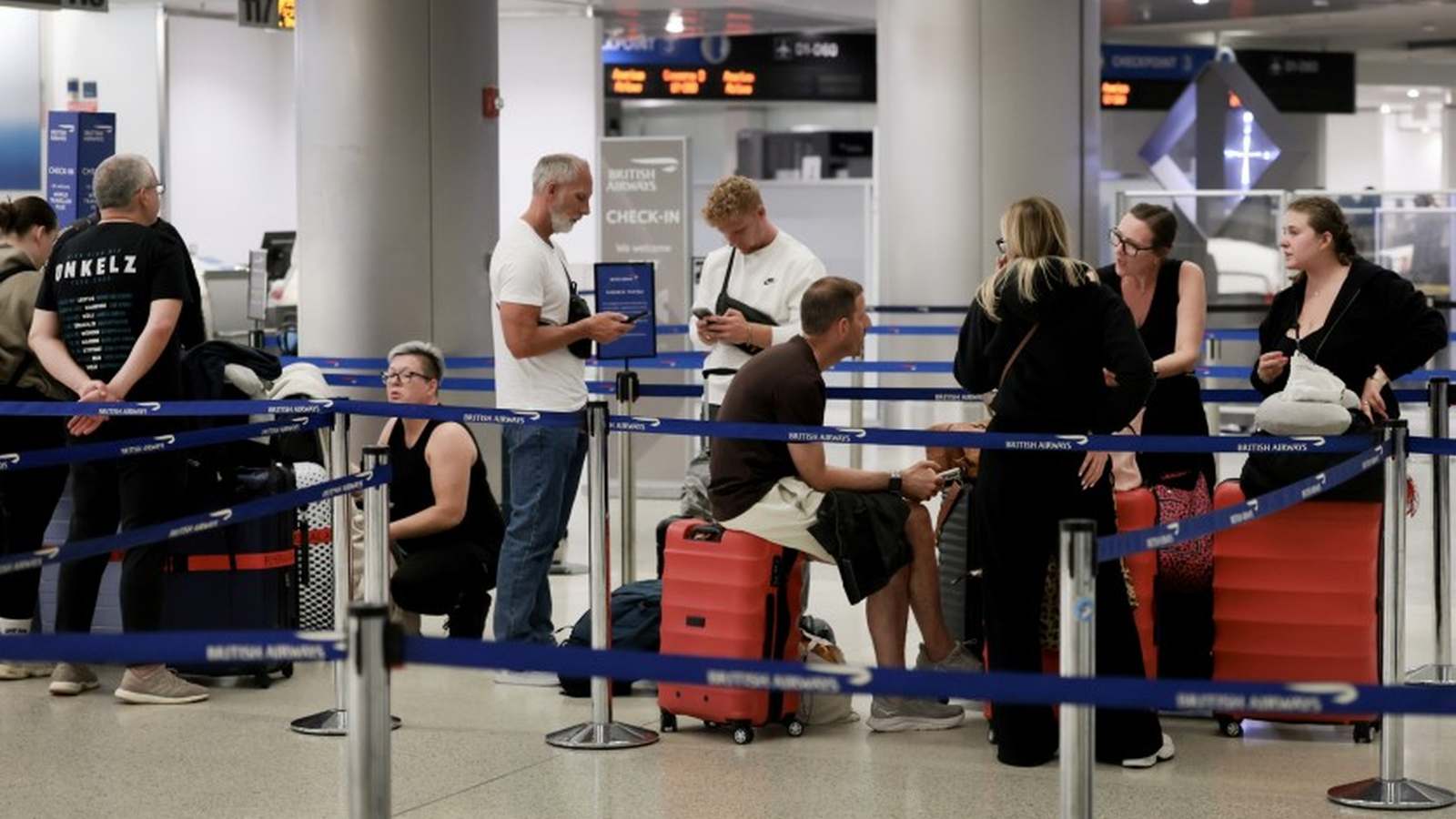
The November 13 incident halted all U.S. departures for more than four hours, leaving roughly 3,500 aircraft airborne and stranding passengers and charter flights across the country. According to reporting published by Tech Times, FAA acting Chief Technology Officer Rebecca Guy reported that technicians traced the network instability to two locations flooding the system with roughly a thousand connection attempts every four to five seconds.
The Investigation Into Network Overload and Equipment Discrepancies
As federal authorities examine the root cause of the November 13 failure, conflicting accounts have emerged regarding the hardware involved. Secretary Duffy pointed to equipment concerns across the aging network, while Hewlett Packard Enterprise (HPE)—which acquired Juniper Networks—stated through a spokesperson that its devices operated as configured. Network engineers note that such extreme surges in broadcast and multicast traffic can exhaust system capacity, though officials have not formally labeled the event a broadcast storm.
Further compounding the regulatory and institutional scrutiny, historical records show that L3Harris, which operates the FAA’s telecommunications network and is assisting the current probe, was previously tied to a 2009 router configuration error that impacted 129 air traffic facilities. The Transportation Department’s inspector general documented that prior failure, intensifying congressional attention on the reliability of the agency’s legacy architecture.
Infrastructure Vulnerabilities and Congressional Funding Stakes
The system failure serves as a severe stress test for the FAA’s legacy communications infrastructure, exposing how a localized network anomaly can disrupt national airspace operations despite existing backups. Secretary Duffy is preparing to press Congress for a $50 billion appropriation package to overhaul the network, estimating that a comprehensive replacement could take until late 2028 or early 2029 if funding is secured.
Industry stakeholders, travelers, and lawmakers now face urgent questions regarding interim network safety. While the immediate shutdown of broadcasting capabilities on the 69 routers aims to prevent recurrence, investigators continue to evaluate whether contractor oversight or equipment defects drove the overload.
Broader Operational Impacts and Security Assessments
Aviation analytics firms and airlines documented extensive operational setbacks resulting from the hours-long ground stop. Thousands of flights experienced delays, diversions, or cancellations, disrupting passenger schedules and reducing belly cargo capacity across major domestic carriers. Federal officials, including Department of Homeland Security Secretary Markwayne Mullin, confirmed that preliminary assessments revealed no evidence of a cyberattack or malicious interference, though investigations by law enforcement agencies remain ongoing to ensure complete verification.
Meanwhile, lawmakers have raised critical inquiries regarding the pacing and deployment of previously allocated modernization funds. As congressional hearings approach, the debate centers on balancing immediate stabilization measures with long-term infrastructure investments required to safeguard the national airspace against persistent technical risks.