


FAA Travel Priority Proposals Spark Public Backlash
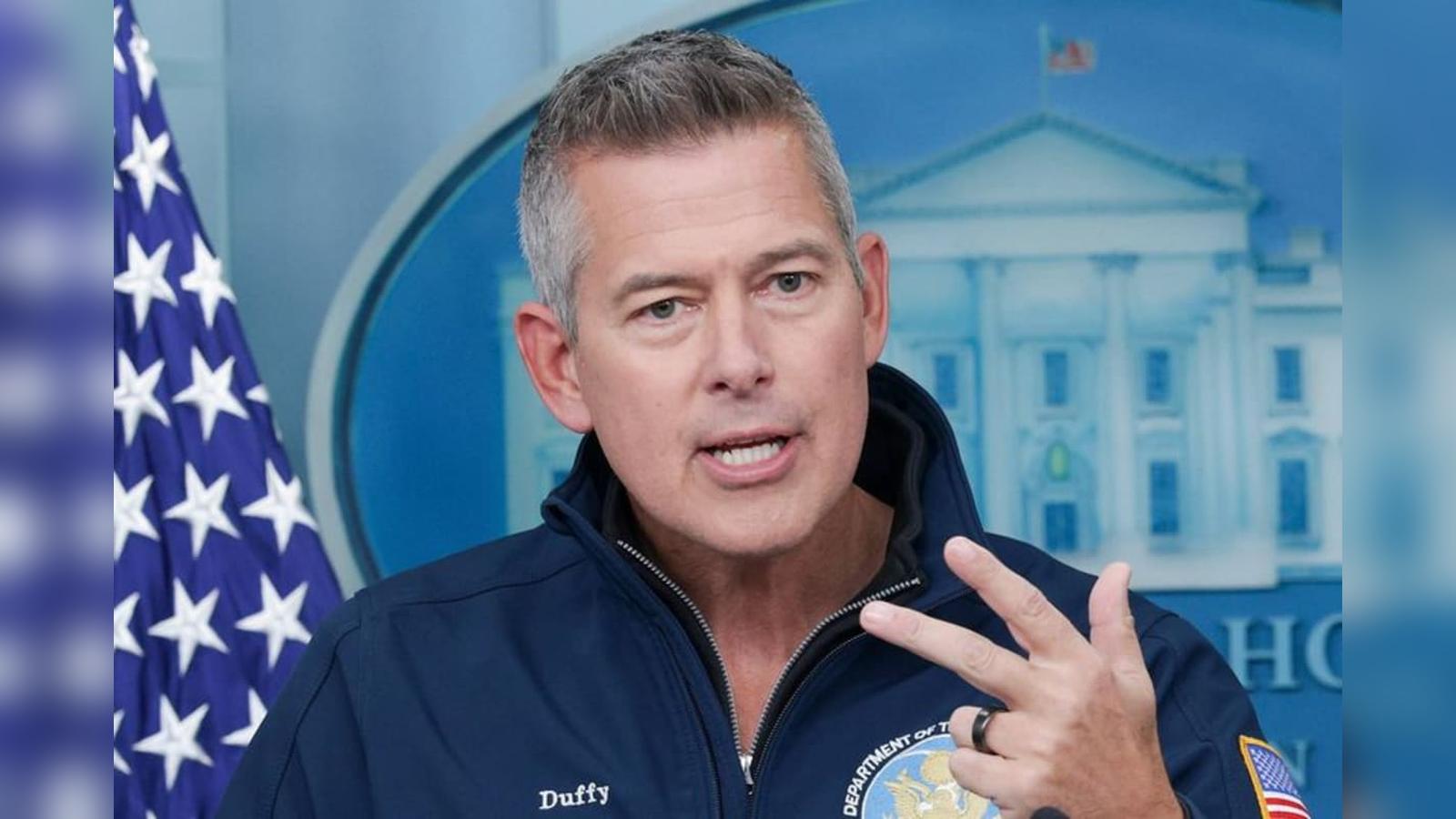
On Friday, November 14, 2026, U.S. Transportation Secretary Sean Duffy suggested that the Federal Aviation Administration (FAA) could assist college football teams in securing flight slots for their upcoming Week 11 matchups following a massive nationwide ground stop. The disruption, which halted air traffic for approximately four hours due to a communications failure, left several high-profile programs—including No. 2 Utah, No. 6 Texas, No. 8 Tennessee, No. 19 Ole Miss, and No. 23 Arizona State—stranded at airports across the country.
Speaking at the White House on Friday evening, Secretary Duffy addressed the logistical crisis facing athletic departments. “As I mentioned, we’re going to allow for general aviation,” Duffy stated, as reported by AOL. “Those larger movements to take place as a priority. Smaller movements will take a lower priority. And so if you talk about football teams moving, many of those are on charters and there’s a lot of individuals on those charter planes. So I would encourage those football teams to reach out to the FAA, to schedule their flight times and make sure they can move to make sure we have games going off tomorrow.”
Operational Impact and Public Reaction
The suggestion that athletic teams might receive preferential treatment over general commercial travelers triggered immediate and intense criticism on social media. Many users questioned the equity of the proposed intervention, citing ordinary citizens who faced significant personal disruptions, such as missing cruise departures, being unable to return home to families, or failing to reach the bedsides of sick relatives. Critics accused the administration of misaligned priorities, with one user noting, “Glad to see his empathy for regular folks on display.”
The ground stop, which the Department of Homeland Security confirmed was unrelated to a recent global Microsoft outage, impacted an estimated 1.5 million travelers. While the FAA lifted the halt around 8:30 p.m. ET, Secretary Duffy cautioned that the return to normal operations would be “slow” due to the significant backlog of flights. Several universities, including Purdue and North Texas, had already proactively shifted to bus travel for their respective games against Iowa and UTSA before the order was lifted. Meanwhile, conferences such as the SEC and Big 12 are continuing to assess whether further scheduling modifications are required for Saturday’s slate of games, with several matchups already confirming kick-off delays.
Security Context and Official Statements
Homeland Security Secretary Markwayne Mullin addressed the media alongside the transportation concerns, clarifying that the communications failure was not linked to any “nefarious” activity or national security threat. “There is no indication that we’ve had, no reason to believe, that as of right now this was a threat to the United States,” Mullin confirmed. Despite the absence of a hostile actor, the logistical fallout remains severe. As teams navigate the aftermath, the contrast between professional sports travel logistics and the needs of the general public has become a focal point of public discourse. While the FAA continues to manage the backlog, the agency has not provided a specific timeline for when normal flight patterns will resume, leaving millions of travelers and several athletic departments in a state of continued uncertainty as they attempt to reach their destinations.
The specific mention of charter flights by Secretary Duffy highlights the unique position of major university athletic programs, which often rely on private air travel to manage rigorous competition schedules. However, this acknowledgment backfired as it amplified the perception that the government was prioritizing entertainment revenue over the welfare of everyday citizens. With kick-off times for games such as Kansas vs. West Virginia, Tulane vs. Rice, and Auburn vs. Mississippi State already delayed, the tension between operational recovery and public perception persists as a significant challenge for the Department of Transportation.