


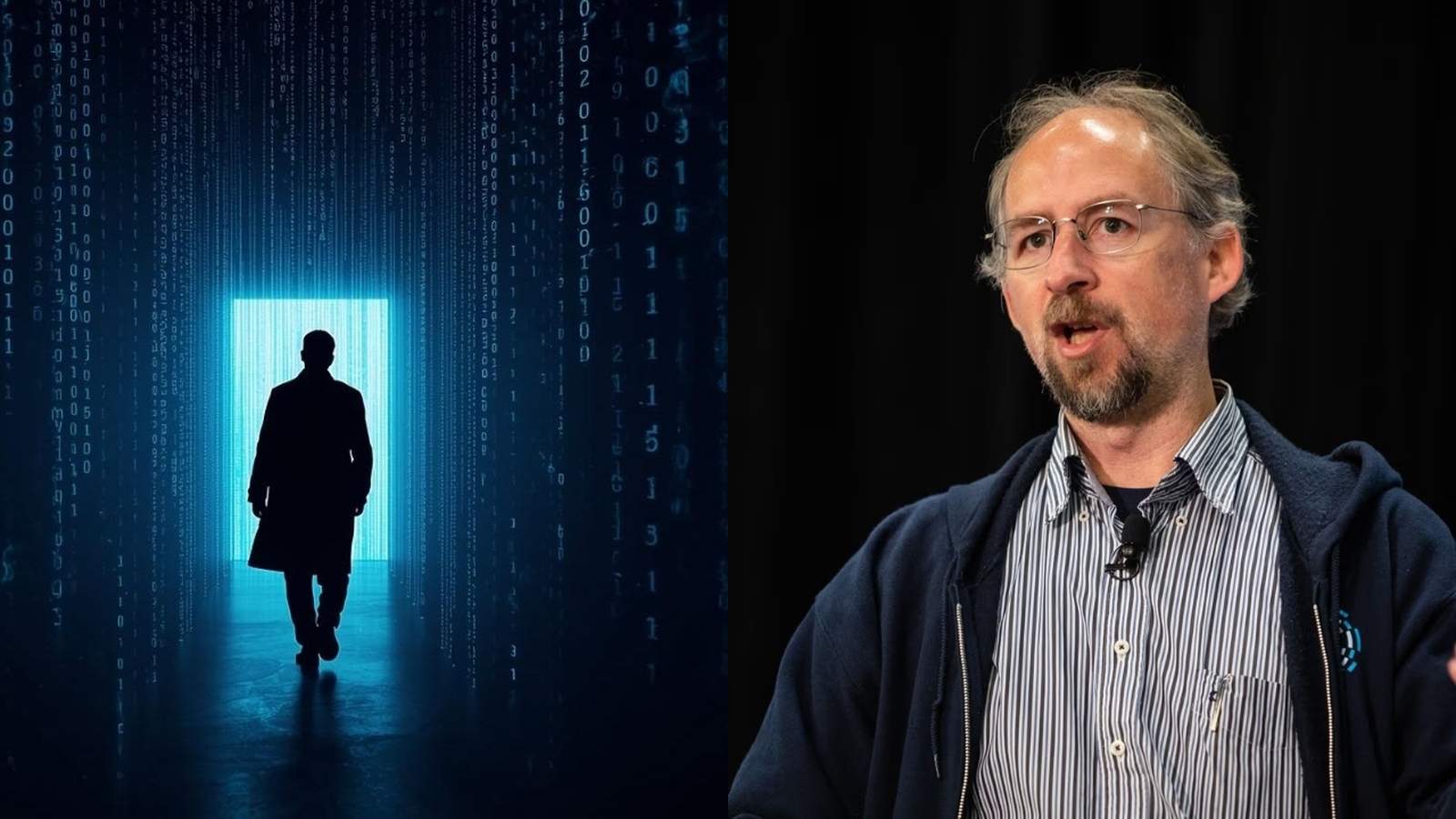
Linguistic Analysis Points to Blockstream CEO
A fresh investigative report by John Carreyrou for The New York Times has reignited speculation surrounding the true identity of Bitcoin creator Satoshi Nakamoto. The report utilizes forensic linguistic analysis to suggest that 55-year-old British cryptographer and Blockstream CEO Adam Back may be the individual behind the pseudonym.
Carreyrou’s investigation centers on “sociolinguistic fingerprints” found within the original Bitcoin white paper and subsequent communications from Nakamoto. The forensic comparison highlights specific stylistic markers, including idiosyncratic British and American spelling variations, inconsistent hyphenation of terms like “proof-of-work,” and recurring punctuation habits, such as double spaces between sentences. According to the report, these patterns align significantly with Back’s own historical writing style.
Technical History and Motives
Beyond linguistics, the investigation emphasizes Back’s technical background. As the inventor of Hashcash—a proof-of-work system explicitly referenced in the Bitcoin white paper—Back is one of the few figures in the early cypherpunk movement with the prerequisite expertise to conceptualize a decentralized digital currency. Back documented key components of such a system years before Bitcoin’s 2009 launch.
The report also addresses the “why” behind the continued anonymity. If Back were indeed Nakamoto, the incentives for remaining silent are substantial. Anonymity serves as a shield against potential regulatory and legal scrutiny, personal security risks associated with controlling an estimated $79 billion fortune in Bitcoin, and the desire to avoid becoming a central public target, similar to the legal challenges faced by early file-sharing pioneers.
Consistent Denials
Despite the accumulating circumstantial evidence, Adam Back has consistently and publicly denied being Satoshi Nakamoto. When named as a potential candidate in the 2024 documentary “Money Electric: The Bitcoin Story,” Back rejected the claim, stating, “I’m not. But also the documentary will presumably be wrong, as no one knows who Satoshi is.”
This is not the first time such claims have surfaced. In 2018, cybersecurity pioneer John McAfee similarly utilized authoring software to analyze the “lingo” and phrasing patterns of early Bitcoin communications, pointing to prominent cypherpunks, including Back, as the likely authors. The convergence of these separate investigations underscores a persistent interest in uncovering the origins of the world’s largest cryptocurrency.