


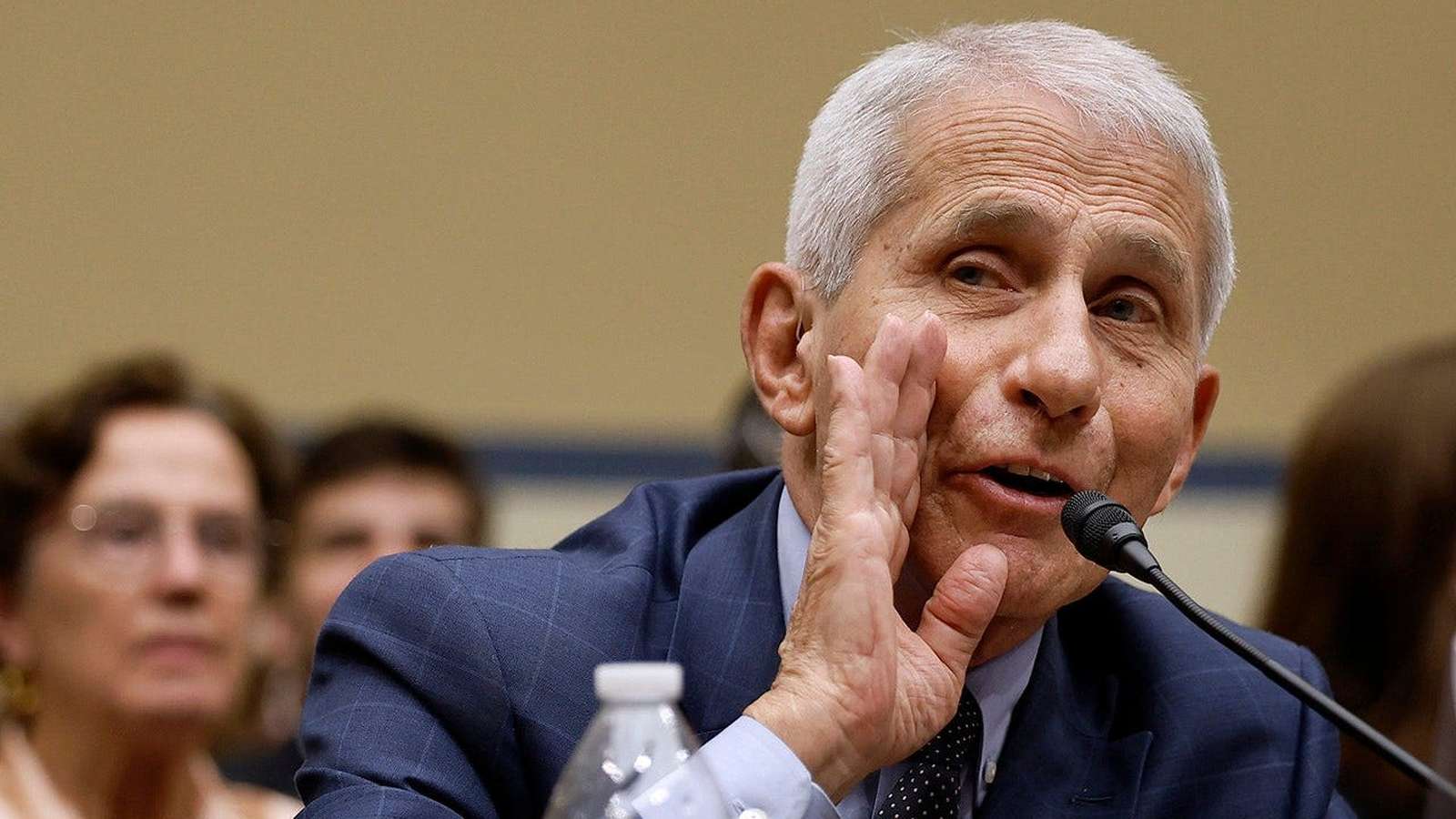
A Confrontational Return to Capitol Hill
In a high-stakes Senate committee hearing on Wednesday, Dr. Anthony Fauci, the former director of the National Institute of Allergy and Infectious Diseases (NIAID), invoked his Fifth Amendment rights, repeatedly declining to answer questions regarding his handling of the COVID-19 pandemic. The hearing, led by Sen. Rand Paul (R-KY), marked a significant escalation in the ongoing legislative probe into federal health policies and the origins of the coronavirus.
The proceedings were characterized by immediate tension. Upon being questioned by Sen. Josh Hawley (R-MO), Dr. Fauci responded to even mundane inquiries—such as the day of the week and his attire—by stating, “On the advice of counsel, I respectfully decline to answer based upon my rights under the Fifth Amendment to the Constitution.” Hawley, an attorney, criticized the broad application of the privilege, accusing Fauci of showing “contempt for this body” and the American public.
Allegations of Financial Misconduct
Beyond the origins of the pandemic, the hearing took a sharp turn into allegations of personal financial enrichment. Sen. Hawley accused Dr. Fauci of utilizing federal employees and taxpayer resources to solicit and secure cash awards, including a $900,000 prize from the Dan David Foundation. Hawley cited internal staff emails, alleging that Fauci’s office “beefed up” his nomination materials during the height of the pandemic to enhance his prospects for the award. Fauci’s legal team maintained silence on these specific claims during the testimony, relying on the Fifth Amendment invocation.
The Legal and Political Landscape
The invocation of the Fifth Amendment has sparked intense debate regarding its legal necessity. While President Joe Biden issued a preemptive “full and unconditional” pardon for Fauci covering his tenure since 2014, critics and some legal observers argue that the constitutional protection remains available if a witness fears exposure to new criminal liabilities or “vindictive” prosecution. Conversely, some Republican lawmakers argue that the pardon should negate the need for Fifth Amendment protections, suggesting that continued silence serves as an admission of guilt.
Sen. Rand Paul, who has long championed the theory that the virus may have leaked from a laboratory in Wuhan, utilized the hearing to present his account of the record, despite the lack of testimony from the witness. The committee’s ranking Democrat, Sen. Gary Peters (D-MI), characterized the hearing as a “partisan exercise,” arguing that the focus on relitigating the past distracts from the urgent need to strengthen national biodefense and pandemic preparedness.
Institutional Stakes
The hearing highlighted a deep rift in the perception of federal health institutions. While supporters of Fauci—including more than 150 scientists who have publicly backed his record—denounce the hearings as “witch-hunts” that undermine public health expertise, Republican members of the committee insist that the inquiry is essential for accountability. As the midterm election cycle approaches, the debate over the government’s COVID-19 response remains a central issue, with both sides using the hearings to frame their respective narratives regarding government transparency and executive accountability.