


A Growing Crisis for U.S. Allies
Five years after the chaotic U.S. withdrawal from Kabul, hundreds of Afghan nationals who supported American military and diplomatic efforts now face the prospect of losing their legal status in the United States. Federal authorities have begun issuing notices to individuals holding Special Immigrant Visas (SIVs) and green cards, warning that their previous approvals are under review or subject to revocation.
The letters, issued by the State Department and U.S. Citizenship and Immigration Services (USCIS), suggest that the documentation used to support original visa applications—often involving employer verification letters—may have been obtained through fraudulent means. For many recipients, the news has arrived years after they settled into American life, enrolled their children in school, and secured employment.
The Roots of the Investigation
The SIV program, established in 2009, was designed to protect those who served as interpreters, engineers, and support staff for U.S. operations. However, the program became a target for criminal exploitation. Federal prosecutors have previously uncovered bribery schemes in which intermediaries charged Afghan nationals to secure, draft, or verify fraudulent employment letters. Following the 2021 withdrawal, the rapid closure of companies and the destruction of records made verifying legitimate employment increasingly difficult, complicating the vetting process for both the government and applicants.
Advocates, including Shawn VanDiver of AfghanEvac, note that while the initial intent of the federal review was to identify systemic fraud by intermediaries, the current scope appears to be causing broad collateral damage. Many individuals caught in this dragnet are legitimate allies who simply lack the original, physical documentation that has since been destroyed or lost in the collapse of the Afghan government.
Wider Immigration Hurdles
The uncertainty surrounding these SIVs is compounded by a tightening U.S. immigration environment. The current administration has suspended several pathways for Afghan nationals, including the refugee resettlement program and certain visa processing streams. Even those with Temporary Protected Status (TPS) have reported losing their authorization to remain in the country.
For individuals like “Sasad,” a former engineer who worked with U.S. forces until 2021 and now resides in Washington state, the threat is paralyzing. Sasad, whose family includes a child with chronic health needs, stated that he is now afraid to apply for citizenship for fear of being detained by immigration authorities. The prospect of returning to Afghanistan—a country under Taliban control—is viewed by many as a death sentence, given the ongoing risks of violence, hunger, and targeted retribution against those who once cooperated with Western forces.
International Context
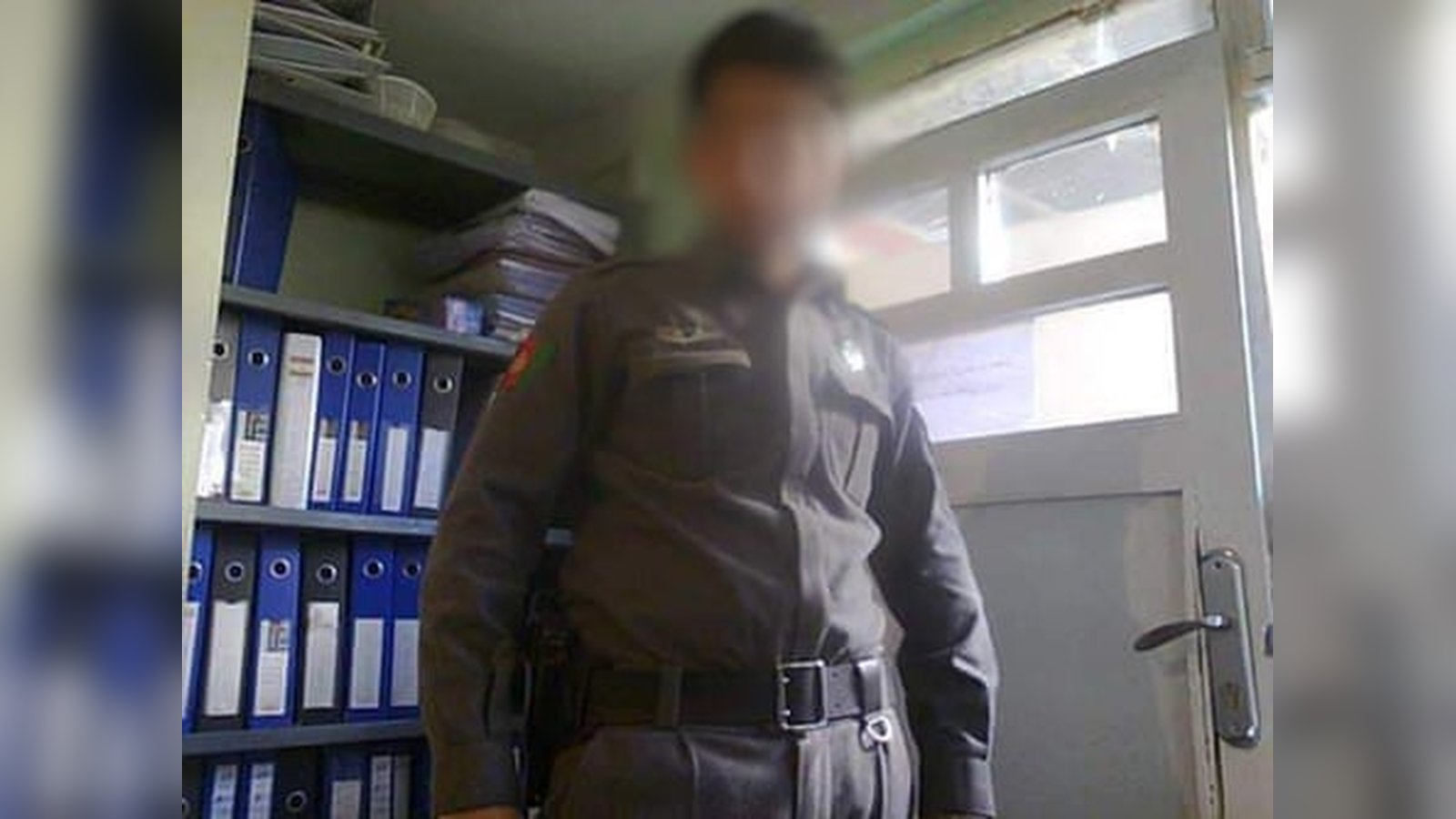
The struggle is not limited to the United States. In the United Kingdom, similar issues have emerged following a 2022 Ministry of Defence data breach that inadvertently revealed the identities of 18,700 Afghans who worked with British forces. One former Afghan police worker, whose details were exposed in that leak, recently reported receiving direct threats from the Taliban after his application for resettlement under the Afghan Relocations and Assistance Policy (Arap) was rejected. Despite evidence of his service and the clear danger to his life, his appeals remain stalled, illustrating the global difficulty Afghan allies face in securing safe haven years after the Western withdrawal.