


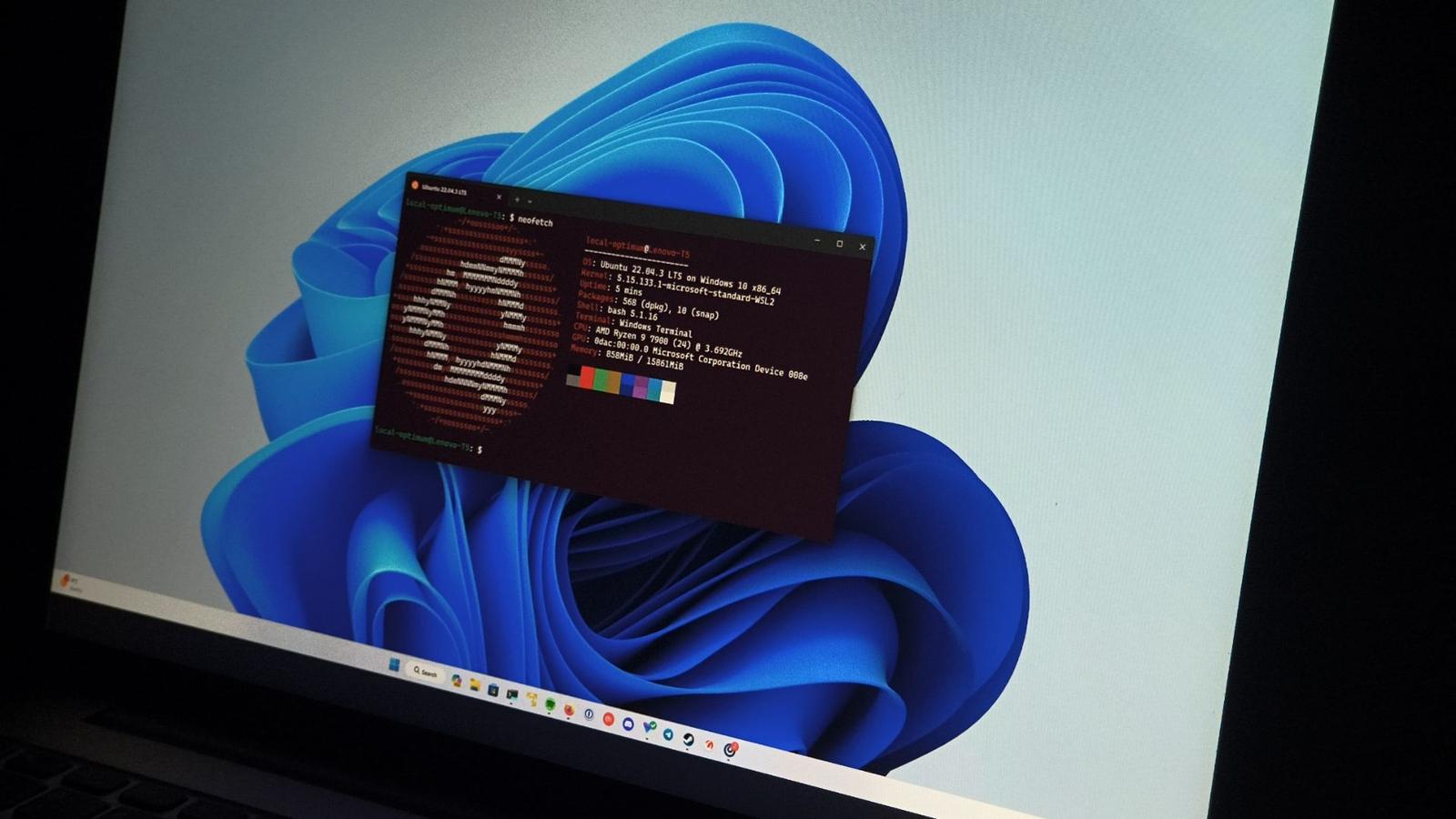
A Shift in Development Environments
Canonical, the organization behind the popular Linux distribution Ubuntu, has reported a significant shift in how its operating system is deployed by developers. According to Jon Seager, VP of Engineering at Canonical, Ubuntu’s user base within the Windows Subsystem for Linux (WSL) is currently expanding at a rate that significantly outpaces growth on native Linux hardware. Seager expects that WSL-based installations could overtake native Ubuntu desktop installations in the coming months.
This trend highlights a transformation in the professional development landscape. Microsoft initially developed WSL as a compatibility layer to allow developers to access Linux tools without abandoning the Windows ecosystem. However, it has evolved into a primary interface for developers who are required to use Windows machines by their employers but require Linux environments for AI, machine learning, and containerized development tasks.
Why Developers Favor the WSL Hybrid Approach
The rise of WSL as a dominant development platform is largely attributed to its ability to bridge the gap between enterprise hardware mandates and technical requirements. Many developers in corporate environments are issued Windows laptops, which often conflict with development stacks built for Linux. WSL removes the necessity of dual-booting or relying on resource-heavy virtual machines.
Microsoft has continuously refined the WSL experience throughout 2026. Key enhancements include improved file system access, optimized networking, and the introduction of WSL Containers, which allows developers to run Linux containers without the overhead of Docker Desktop. During internal testing, Microsoft demonstrated that GPU passthrough capabilities—crucial for AI/ML workloads—operate efficiently within these containers, allowing for the execution of CUDA-based PyTorch models directly inside a Linux environment on Windows 11.
The Strategic Alignment of Windows and Linux
The growing synergy between Windows and Linux represents a departure from historical industry rivalries. For Canonical, the growth in WSL is a strategic win, as it expands the reach of Ubuntu to a demographic of users who might otherwise be constrained by hardware policies. For Microsoft, keeping developers within the Windows ecosystem—even when their work relies on Linux—aligns with the company’s goal of maintaining Windows as the primary enterprise workstation platform.
However, Canonical notes that WSL is not a universal replacement for native Linux. Native Ubuntu remains the preferred choice for users requiring absolute hardware control and a ‘Linux-first’ environment. Furthermore, corporate device management and security compliance policies remain significant hurdles for broad enterprise adoption, as IT departments continue to exercise strict control over OS configurations.
Preparing for the AI-Driven Future
Beyond the WSL integration, Canonical is positioning Ubuntu for the next generation of hardware. The company is currently prioritizing support for GPUs, NPUs, and DPUs through partnerships with major hardware vendors including NVIDIA, AMD, and Intel. Ubuntu 26.04 LTS already includes native support for NVIDIA CUDA and AMD ROCm, reflecting a broader effort to optimize Linux for local-first AI workflows and agentic OS-level tasks.