


Record Detention Levels
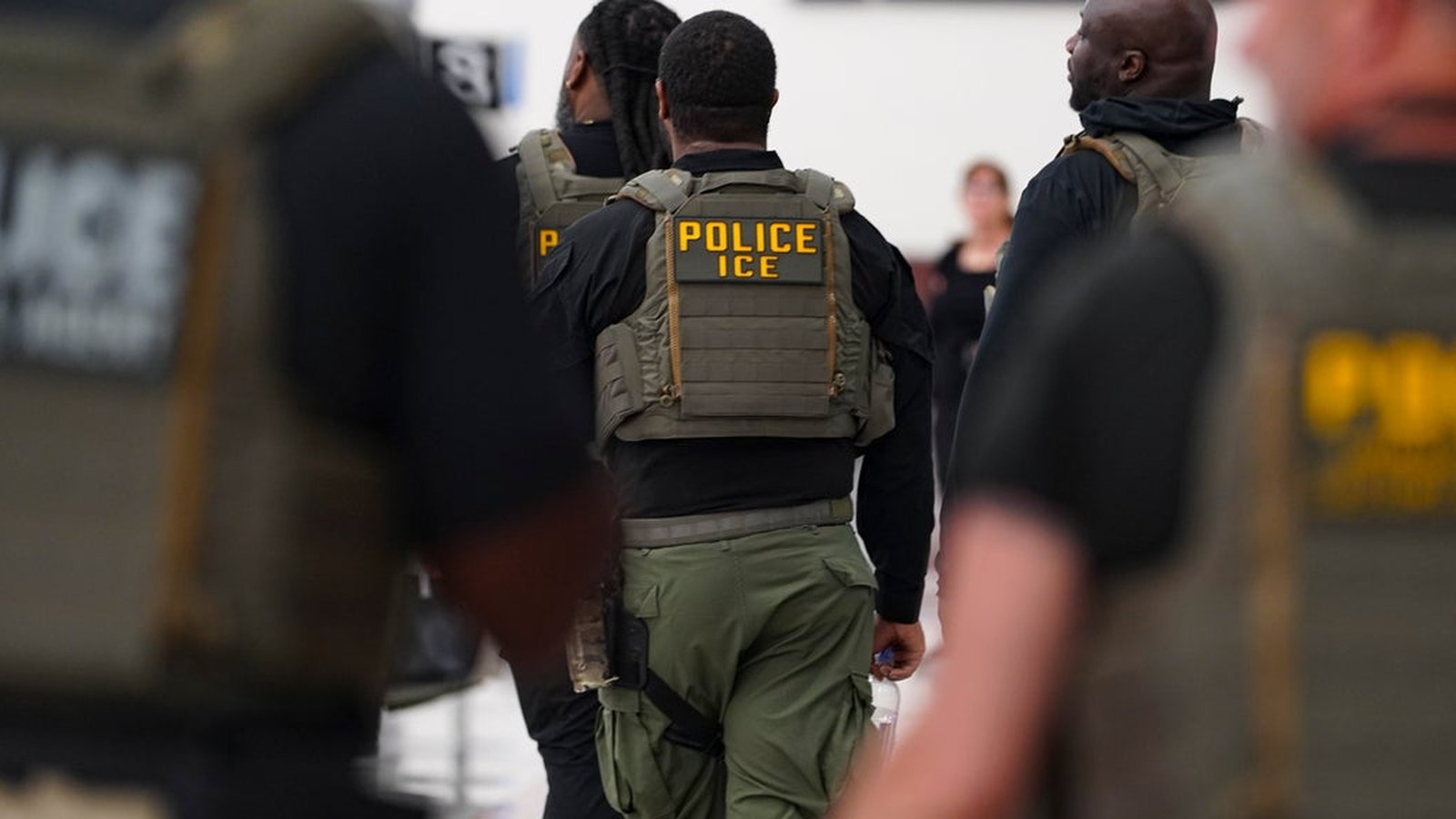
U.S. Immigration and Customs Enforcement (ICE) recorded a new monthly high for detentions in July 2026, taking more than 46,000 individuals into custody. Preliminary data from the Department of Homeland Security indicates that this surge brings the total number of people held in ICE detention facilities to approximately 68,000 as of early August, nearing the all-time record of over 70,000 set in January.
This increase follows a strategic push from the White House, which has set an operational target of 2,000 arrests per day nationwide. While the agency averaged roughly 1,500 daily arrests, the momentum in July marked a significant jump from the 43,000 detained in June.
Statewide Enforcement and Local Friction
The rise in detention numbers coincides with intensified enforcement operations, including a recent, large-scale initiative in Georgia dubbed “Operation Safe Community — Atlanta.” Officials reported 1,226 arrests during this operation, noting that 720 of those individuals had prior criminal charges or convictions, ranging from sex crimes and assault to weapons and drug violations. Acting Assistant Director Patricia Hyde emphasized that the operation aimed to remove “dangerous criminal offenders” from communities.
However, these operations have sparked friction with local jurisdictions. In March 2026, a standoff in South Burlington, Vermont, highlighted the operational tension between federal agents and local law enforcement. During a raid, federal authorities sought to execute a criminal judicial warrant, which bypassed local “sanctuary” policies barring police from assisting in civil immigration enforcement. The incident, documented in the film No Exit, involved protesters blocking access to a residence, leading to clashes with police. Body camera footage revealed deep concerns among local police leadership, who attempted to de-escalate the situation, fearing that federal intervention could result in violence.
Legal and Operational Stakes
The conflict in Vermont underscores the limitations of state-level policies designed to restrict cooperation with federal immigration authorities. When ICE obtains a criminal judicial warrant, state-level bars on collaboration often become inapplicable, forcing local agencies into a difficult position. While Vermont agencies conducted internal reviews and cleared their officers of wrongdoing, the incident remains a flashpoint for debates regarding the extent to which local police should be involved in federal enforcement actions.
As the administration continues to push for increased detention capacity—with hopes of expanding available beds to over 100,000 in 2026—the operational footprint of the agency is expected to grow. The challenge for local law enforcement remains managing the public safety risks associated with these federal operations while navigating local community expectations and legal constraints.