


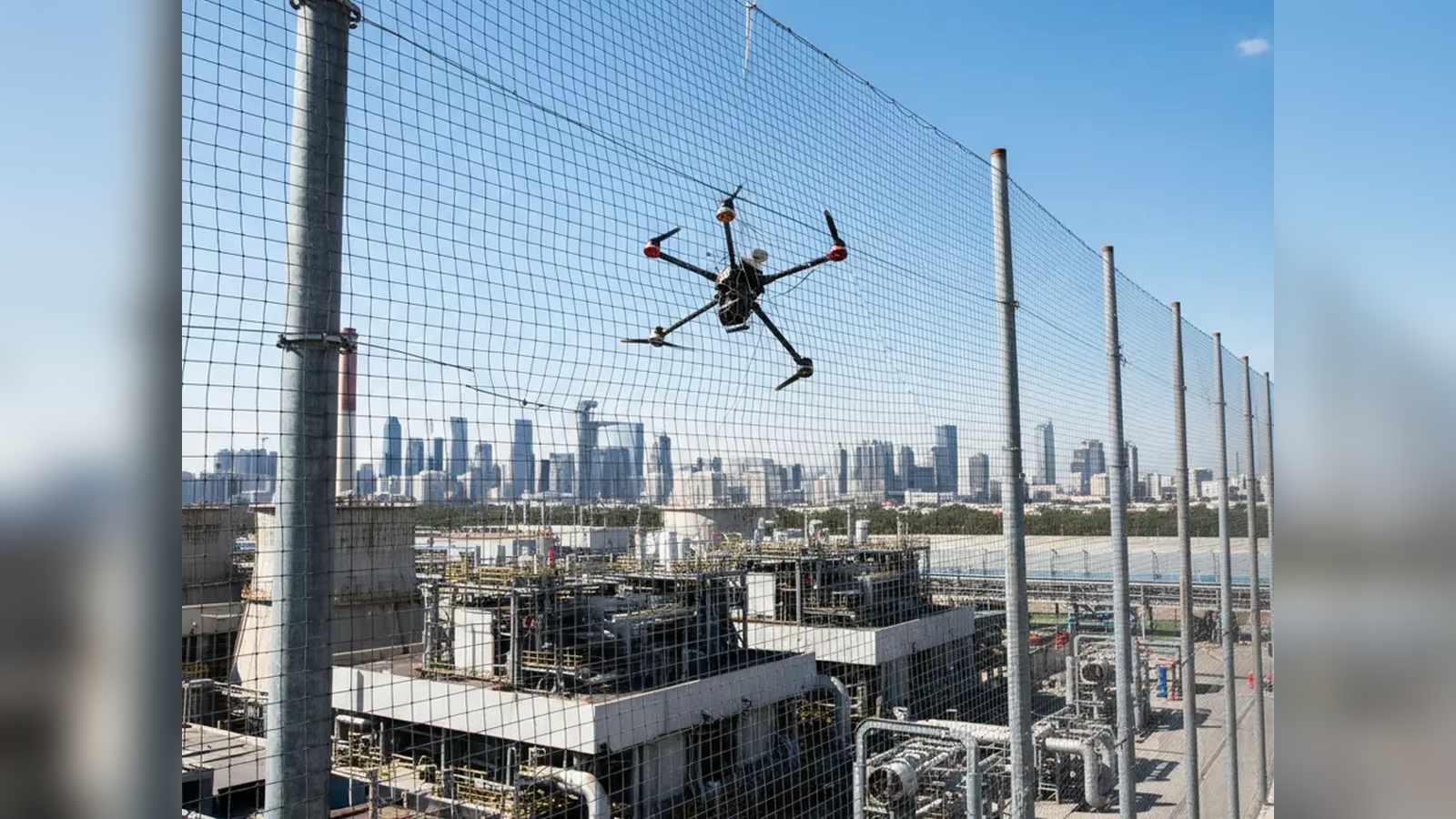
Testing Grounds and Emerging Threats
At a former flight-test base south of Paris, drones swoop over fields and woodland as teams on the ground test systems designed to stop them — a response to a growing wave of drone incursions and hybrid attacks since Russia invaded Ukraine in 2022. According to Reuters, potential clients for technology such as electronic jammers and interceptor drones tested at the Brétigny-sur-Orge site are no longer just governments, police and armies. Private firms and state entities across Europe that operate critical infrastructure want to strengthen their defenses, with some utilities asking for authorization to shoot drones down themselves.
From Paris to Berlin, governments are taking note amid concerns that hybrid warfare or a drone attack could knock out power to millions of people — a scenario witnessed frequently in Ukraine following Russian strikes. Kristian Ruby, secretary general of European energy body Eurelectric, told Reuters that it is both a theoretical and increasingly practical possibility that heating outages could occur this winter due to hybrid attacks. Some European governments are responding by starting to give firms powers traditionally reserved for the military.
Legal Uncertainty and National Approaches
Interviews with over 30 company executives, officials and drone experts indicate that technology to detect and neutralize drones is maturing faster than the regulatory frameworks governing its use. Approaches vary widely across Europe, and significant legal uncertainties remain regarding who holds the right to order a response to a drone threat. Bringing down a drone can cause injury or death to individuals on the ground or damage private property, raising complex liability and accountability questions for operating companies.
France has moved ahead of many neighbors by passing a law in August allowing approved critical infrastructure operators and contractors to detect, jam and shoot down drones near designated facilities. The legislative move responded to drone incursions over sensitive sites, including flights over the Ile Longue nuclear submarine base near Brest in December 2025. A senior French official told Reuters that the country aims to equip an expanded list of sensitive sites by 2027. The government intends to provide operators such as state-owned utility EDF and railway operator SNCF with an approved catalogue of counter-measure systems.
Diverging Views Across European Jurisdictions
Other nations are adopting different strategies. In Germany, where counter-drone operations remain strictly a policing function, the interior ministry told Reuters it is reviewing how critical infrastructure operators and third parties could be legally involved. In September, Austria announced plans to grant similar powers to large energy firms, with Defense Minister Klaudia Tanner stating that the state cannot protect every site independently. Poland has gone further by establishing drone-restricted zones around critical energy infrastructure and authorizing designated security units to destroy or disable drones entering those zones.
However, not all utility operators seek an expanded security role. Asta Sihvonen-Punkka, chief executive of Finland’s national power grid operator Fingrid, told Reuters that security responsibilities should remain with state authorities and armed forces, describing any shift of these powers as a very significant change requiring careful legal consideration.