


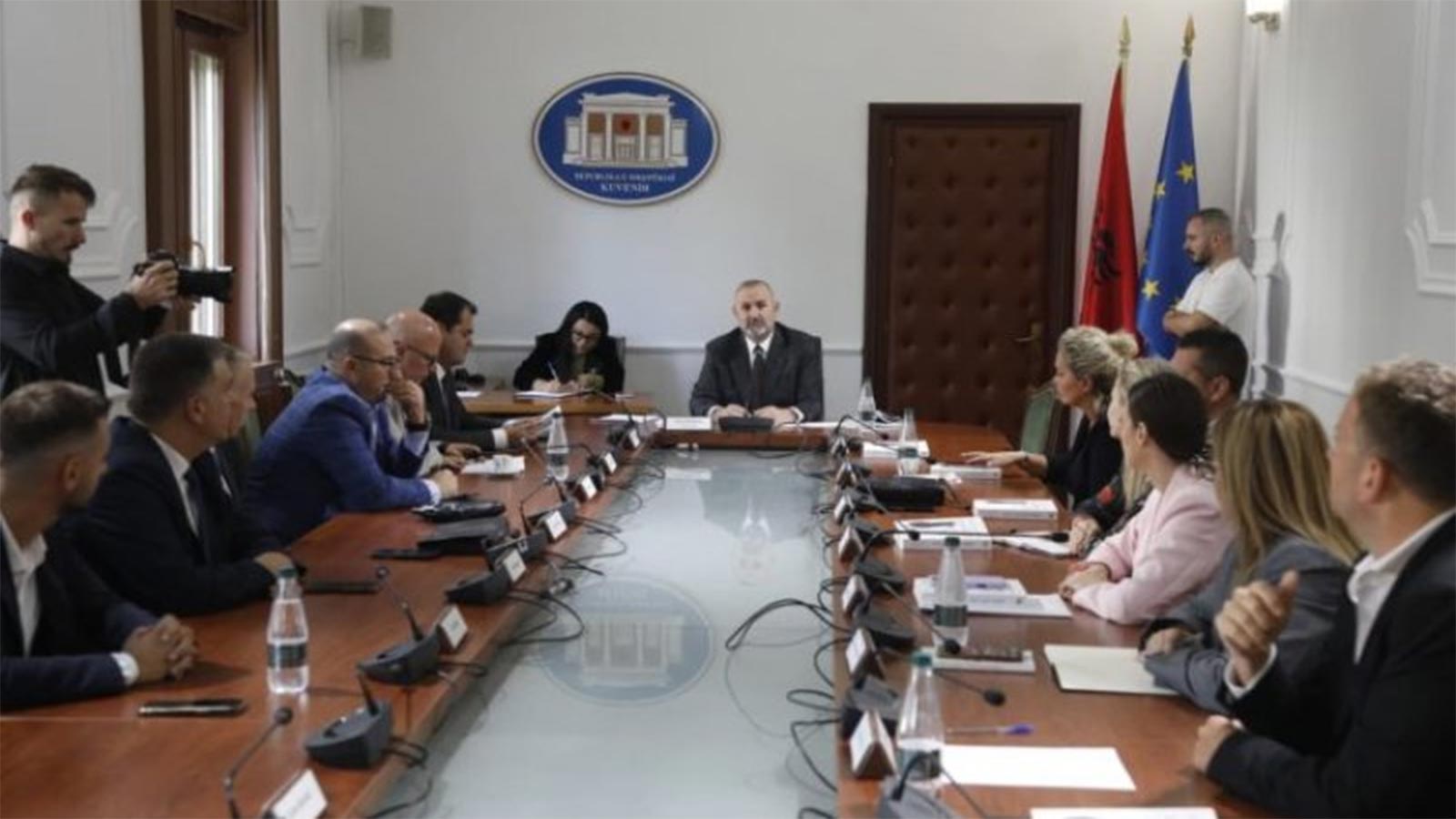
Albania’s Law Committee Proposes Sweeping Judicial Reform
In a decisive move at the close of 2025, Albania’s Law Committee put forward a package of legislative amendments that could reshape the country’s judicial landscape. The proposals, announced on November 27, target two foundational laws: the Law “On the Status of Prosecutors and Judges” and the Law “On the Governing Bodies of the Justice System.”
Why the Push for Tougher Vetting?
For years, Albania’s judicial system has been under scrutiny, both domestically and by international partners. Concerns over integrity, transparency, and the effectiveness of vetting have been voiced by civil society, the media, and foreign observers. The new amendments seek to address these concerns head-on, with a particular focus on the selection process for members of the High Prosecutorial Council (KLP) and the High Judicial Council (KLGJ).
One of the most significant changes is the introduction of stricter checks for non-magistrate candidates. These are individuals drawn from the legal profession, civil society, or academia, who may not have the same track record or oversight as career magistrates. The People’s Advocate, an independent ombudsman, will now be required to gather comprehensive background information from investigative, tax, and other authorities, creating a more robust foundation for integrity vetting.
Expanded Criteria and New Roles in Appointments
Beyond asset and integrity checks, the reforms expand the criteria for magistrates seeking leadership positions in courts or prosecution offices. Now, any disciplinary measure currently in force becomes grounds for exclusion, raising the bar for professional conduct. This aligns with feedback from the High Inspector of Justice (ILD), who highlighted a lack of interest among magistrates in inspector roles, partly due to uncertainty and short-term assignments.
To counteract this, the amendments extend the command period for inspectors to seven years and permit magistrates nearing retirement to continue delegated service up to 15 years, offering more stability and incentives for experienced professionals.
In another notable shift, the Prosecutor General’s office will gain a more active role in the appointment process for heads of prosecution offices. The Prosecutor General’s opinion must be considered when selecting chief prosecutors, marking a move toward a more consultative and balanced approach.
Automatic Confirmation and Transitional Measures
Recognizing the need for continuity, the reform package includes a transitional provision: all currently serving heads of courts and prosecution offices who have passed vetting and fulfilled their duties will be automatically confirmed in their positions until December 31, 2028. This measure is designed to avoid disruption and maintain stability during the transition to the new rules.
Transparency and Public Trust: Responding to Criticism
Transparency has been a recurring concern, especially regarding the decision-making processes of the KLP and KLGJ. Media outlets and civil society have criticized the use of anonymized decisions on professional evaluations, arguing that such practices obscure accountability and undermine public trust. The amendments respond by introducing measures to make decisions more understandable and accessible, aiming to rebuild confidence in the system.
According to the explanatory report accompanying the proposals, the amendments are the product of a lengthy consultation process dating back to 2022. Input was sought from international missions supporting Albania’s justice reform, including the EU Delegation and the US-funded OPDAT programme. Their feedback helped shape the content, reflecting best practices and aligning Albania’s legal framework with European standards.
International Support and Ongoing Reform
The Law Committee emphasizes that the reforms are not imposed from above but stem from the needs and requests of judicial institutions themselves. By harmonizing norms and practices, Albania aims to strengthen the integrity of its justice system and bolster its prospects for deeper European integration.
At the heart of this initiative is a recognition: judicial reform is not a one-off event, but an ongoing process. The amendments represent the latest step in a journey that began years ago, with international partners like the EU and OPDAT continuing to play a supportive role. As Albania moves forward, the challenge will be to implement these rules consistently and transparently, ensuring that the spirit of reform translates into real-world improvements for citizens and the legal community alike.
Albania’s push for tougher vetting and governance rules in its judiciary reflects both internal demands and external pressure to build a system founded on integrity and accountability. The reforms, shaped by broad consultation and international expertise, signal a commitment to transparency and professionalism, but their ultimate impact will depend on diligent implementation and sustained public oversight.