


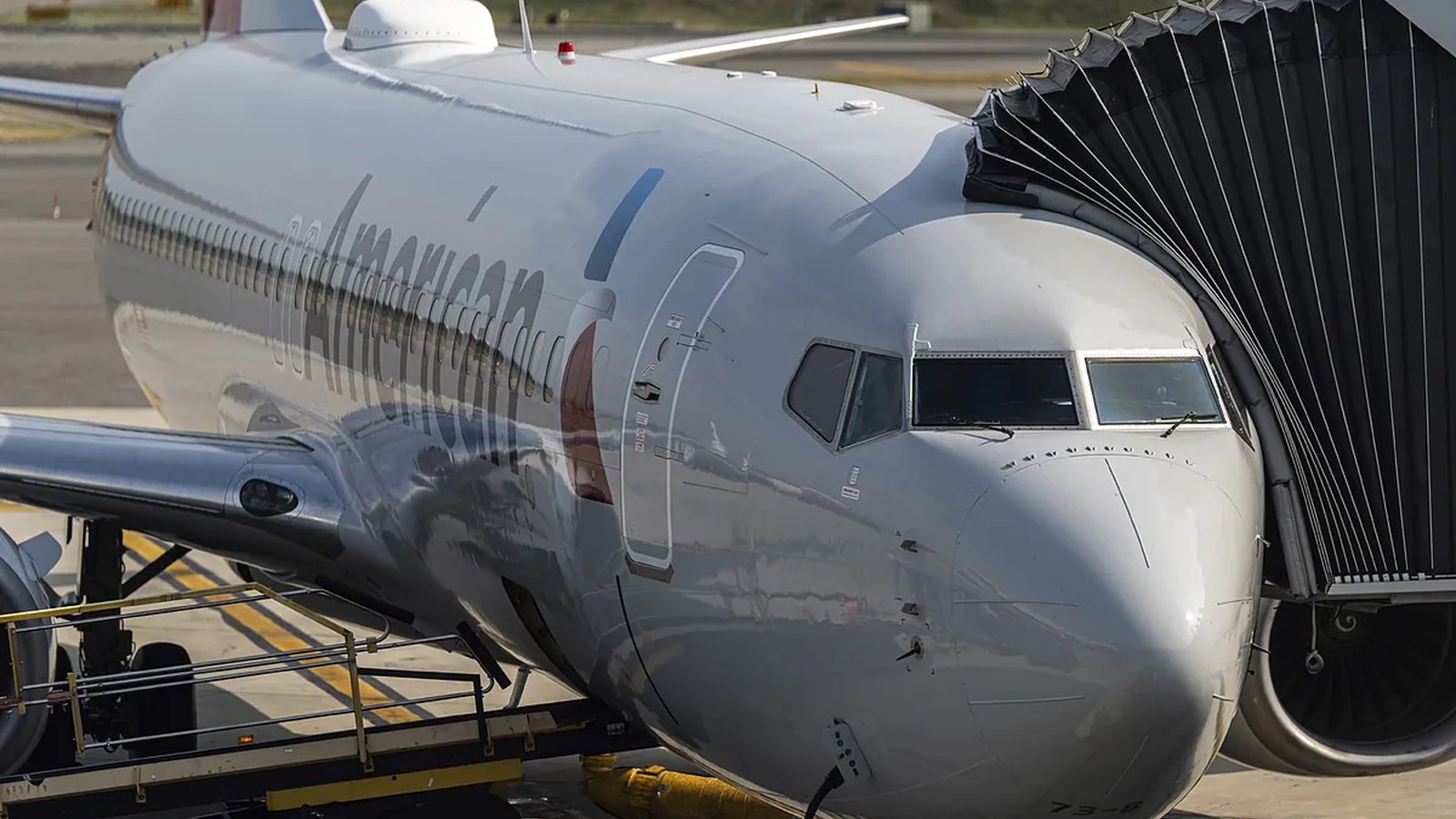
How a Global Recall Grounded American Airlines’ A320 Fleet
It started with a scare at 30,000 feet—a sudden loss of altitude on an Airbus A320 operated by a different airline, traced back to a silent saboteur: intense solar radiation. This wasn’t just turbulence. Investigators found that cosmic rays had corrupted the flight-control data within the jet’s electronic systems, triggering a malfunction in the ELAC computer—the brain behind elevator and aileron control.
Within days, Airbus and international regulators issued one of the largest recalls in commercial aviation history, targeting the A320 family and sending airlines worldwide into emergency mode. At the epicenter: American Airlines, which operates one of the largest fleets of the affected aircraft in the U.S.
Immediate Impact: 209 American Airlines Jets Grounded
By Saturday afternoon, American Airlines confirmed that 209 of its A320 jets required an urgent software update. For passengers, the timing couldn’t be worse. The recall landed just after Thanksgiving—a notorious bottleneck for U.S. air travel. Maintenance teams scrambled overnight, working against the clock to patch the aircraft and minimize disruption.
Initially, American Airlines feared as many as 340 jets could be impacted, but a rapid audit narrowed the number to 209. Fewer than 150 remained grounded by Saturday afternoon, with most expected to return to service within hours. Still, the logistics of grounding and updating such a vast fleet in the middle of a holiday rush proved a formidable challenge.
What Caused the Recall? The Hidden Threat of Solar Radiation
The culprit was cosmic: solar radiation, invisible yet powerful, had the potential to corrupt critical flight-control software. In the November incident, the A320’s ELAC computer misread its data, causing the aircraft to lose altitude unexpectedly. Safety authorities responded swiftly, ordering immediate software and, in some cases, hardware fixes for all A320-series jets.
For American Airlines, this meant a race to update every affected aircraft before passengers felt the brunt of the disruption. The software fix itself is relatively straightforward—most planes can be patched in just a few hours. Hardware changes, needed in rare cases, could take longer.
Passengers Face Delays but Few Cancellations
Despite the scale of the recall—affecting roughly 6,000 jets globally—experts say most travelers will experience delays rather than outright cancellations. American Airlines and its competitors have urged passengers to monitor their flight status closely, as operational hiccups are expected throughout the weekend.
Industry observers note that this recall underscores a growing vulnerability in modern aviation: even the most advanced “fly-by-wire” systems aren’t immune to the cosmic forces at play above the Earth. As technology advances, so do the unexpected threats—from software bugs to solar storms—that airlines must contend with.
Behind the Scenes: How Airlines Responded
American Airlines’ maintenance crews worked around the clock, moving swiftly to identify affected aircraft, install updates, and clear jets for service. The airline’s crisis response was built on experience: drills for mass recalls, coordination with Airbus, and a relentless focus on safety above all else.
For the traveling public, the disruption was visible but not catastrophic. Most flights continued, albeit with delays. Airlines prioritized transparency, updating passengers via mobile apps, airport screens, and direct communication from gate agents.
Looking Ahead: The Larger Implications for Aviation
The A320 recall may be resolved in days, but its ripple effects will linger. Regulators and manufacturers are likely to revisit software resilience in future aircraft designs. American Airlines, meanwhile, faces the task of regaining passenger trust and demonstrating that safety remains paramount—even when cosmic phenomena intervene.
As the skies clear and grounded jets return to service, the aviation industry will take stock. The lesson: in an era of high-tech travel, vigilance against the smallest glitch is essential. And sometimes, the greatest threats come not from the ground, but from the stars above.
This episode highlights the delicate balance between technological advancement and unpredictable natural forces. While American Airlines’ rapid response limited the fallout, the event serves as a powerful reminder that even the most sophisticated systems require constant vigilance and adaptation. The recall’s scope—and its relatively smooth resolution—reflects both the fragility and resilience of modern aviation in the face of cosmic challenges.