


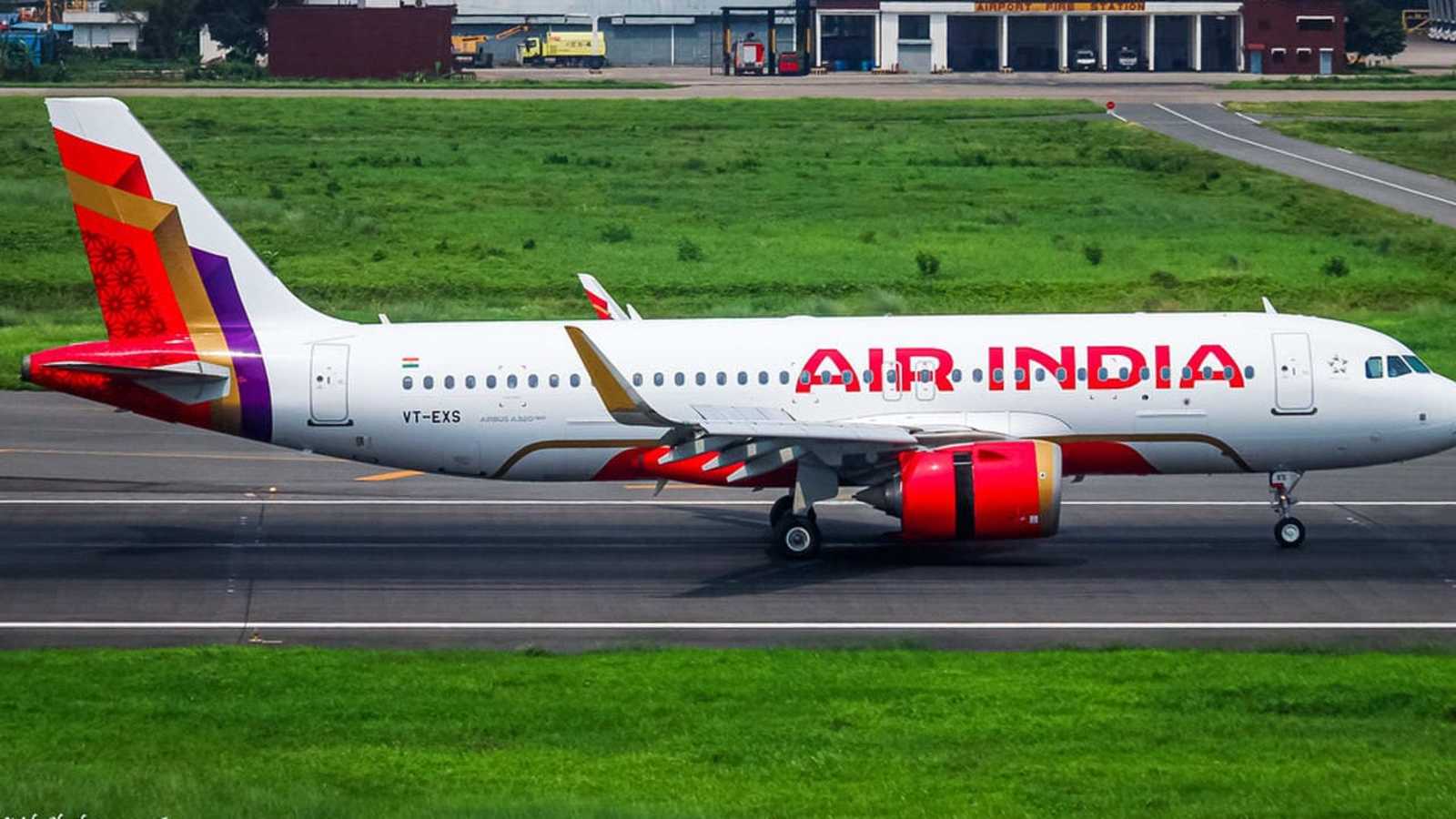
An Air India flight traveling from Phuket to Delhi experienced a significant mid-air incident on August 4, 2026, when the aircraft encountered severe clear air turbulence (CAT). The Airbus A320, designated as flight AI2379, was carrying 134 passengers when it suddenly lost 300 feet of altitude during its cruise phase, according to reports confirmed by the airline and local authorities.
Incident Details and Medical Response
The flight, which departed Phuket at 8:27 a.m. local time, landed safely at Indira Gandhi International Airport in Delhi shortly after 11 a.m. Upon arrival, emergency medical teams were stationed at the terminal to assist those on board. While initial reports varied, official updates confirmed that 14 individuals—10 passengers and four crew members—sustained injuries requiring medical assessment. The injured were subsequently transported to Medanta Hospital in Gurugram and the India Spinal Injury Centre in Vasant Kunj for professional care.
Air India issued a statement confirming the event, describing it as a “brief in-flight turbulence-related event.” The airline maintained that no serious injuries were reported and emphasized that the safety and well-being of passengers remained its primary priority. The carrier is currently cooperating with relevant aviation authorities to investigate the incident.
The Risks of Clear Air Turbulence
The incident highlights the ongoing challenge posed by clear air turbulence, which the International Civil Aviation Organisation (ICAO) defines as turbulence occurring in cloudless regions that remains invisible to pilots. Unlike convective turbulence associated with storms, CAT provides little to no warning, often catching passengers and crew off guard. The US Federal Aviation Administration (FAA) notes that such turbulence can cause violent buffeting, posing a risk to anyone not secured in their seat.
According to industry data, turbulence remains a leading cause of non-fatal injuries in commercial aviation, accounting for approximately 40% of severe in-flight injuries reported in 2023. Aviation experts continue to stress that keeping seatbelts fastened loosely during flight, even when the seatbelt sign is off, is the most effective measure to mitigate the risk of injury during unexpected turbulence encounters.