


Anfield Victory Lifts Reds to Fourth Place
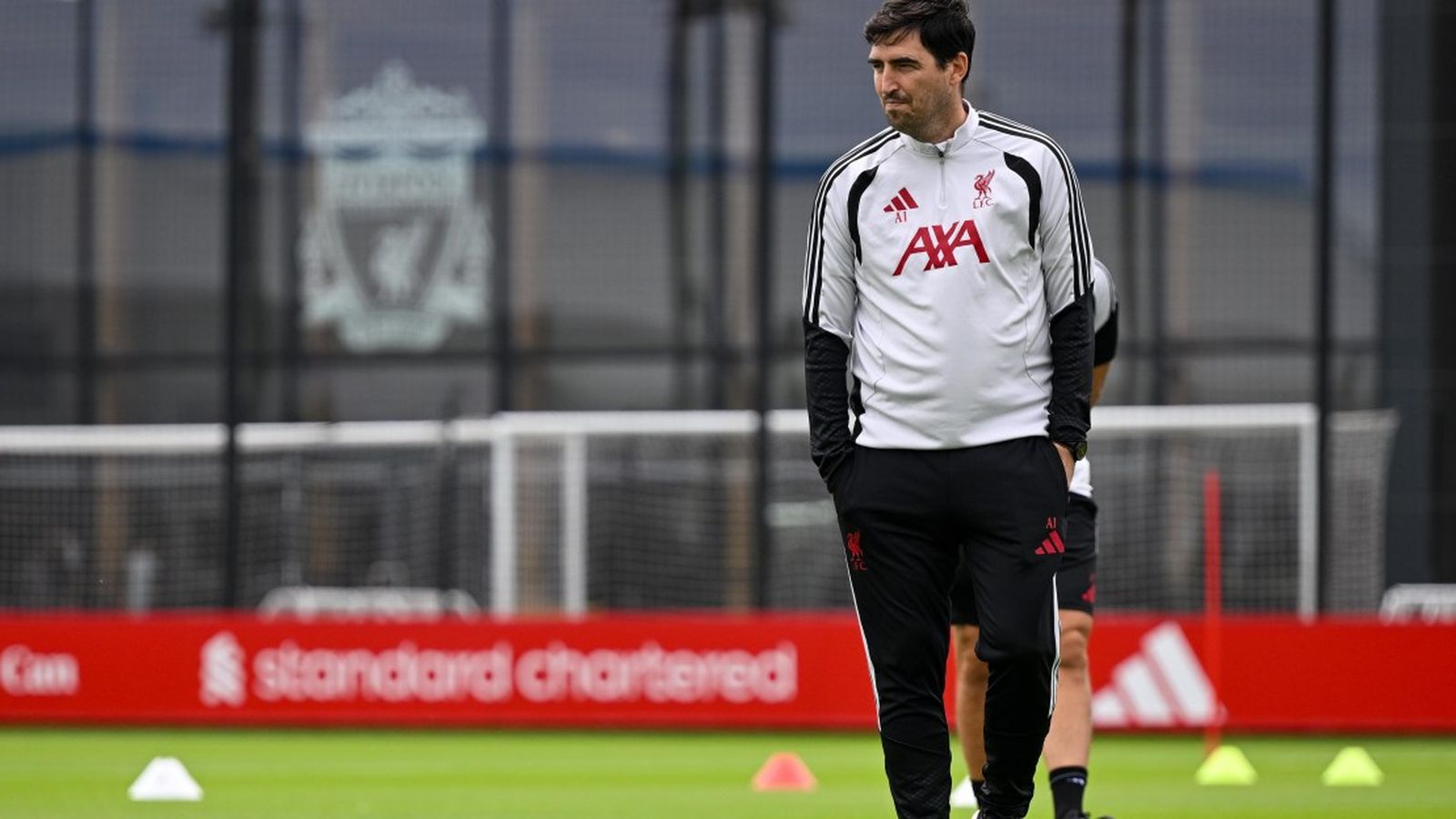
Liverpool head coach Andoni Iraola addressed the media following his side’s 2-0 Premier League victory over Brighton & Hove Albion on October 25, 2026, at Anfield. Reported by Liverpool FC, the match featured an opening goal from a Pascal Gross own goal forced by Florian Wirtz, followed quickly by an Alexander Isak finish. The result marked Liverpool’s fourth consecutive victory across all competitions and lifted the Reds into fourth place in the Premier League standings.
Reflecting on the encounter, Iraola emphasized the importance of a sharp start compared to previous fixtures where the team had conceded first and required a comeback. According to an account published by AOL, the hosts showed an appetite and urgency at both ends of the pitch that demonstrated the manager’s tactical methods taking root on home soil for the first time this Premier League season.
Defensive Discipline and Individual Standouts
A central theme of Iraola’s post-match assessment was the defensive performance in the second half, where Liverpool dropped deeper, compacted the space, and successfully managed Brighton’s heavy crossing threat. The manager highlighted Ronald Araujo’s contribution during a complete 90-minute performance, noting that the defender’s success in duels helped set up the opening sequence. Araujo’s physical battles and recovery work provided stability alongside Bradley Barcola, who tracked back extensively to support the backline.
Alexander Isak also drew praise after securing his sixth goal in as many Premier League appearances, capitalising on service provided when wingers won their individual duels. Iraola noted that when the team can put the striker into scoring positions and deliver accurate crosses, he consistently converts those opportunities.
Tactical Contrast and Managerial Reaction
The match brought contrasting post-match evaluations from the opposing dugouts. While Iraola valued the physical duels won in midfield and the defensive block executed in the second half, Brighton head coach Fabian Hürzeler expressed frustration over missed opportunities, pointing to chances that struck the woodwork and arguing his side had tried actively to create openings. Hürzeler’s assessment that the visitors were the more proactive side drew a mixed reception in the media room, but the statistics confirmed Liverpool’s clinical edge in converting early pressure into a decisive two-goal cushion.
The victory halts Brighton’s recent winning momentum and gives Liverpool valuable momentum heading into the next block of fixtures. Iraola cautioned that while the run of four straight wins is encouraging, the side must continue maintaining defensive basics and tactical intensity as the Premier League campaign progresses.
Tactical Execution and Early Pressure at Anfield
The match unfolded under stormy weather outside, but inside Anfield, Liverpool established immediate control through high-intensity pressing and aggressive dual-winning across the pitch. Iraola noted post-match that the tactical objective was to disrupt Brighton’s methodical build-up play from the back, drawing parallels to the technical challenges posed by Villarreal earlier in the month. By engaging the opposition higher up the pitch in the opening exchanges, Liverpool avoided the sluggish starts that had forced them into arduous comebacks in previous weeks.
The breakthrough in the 17th minute encapsulated this aggressive intent. Florian Wirtz held off a challenge from Lewis Dunk, allowing Ronald Araujo to win a critical physical contest against Olivier Boscagli and the Brighton captain. Araujo drove toward the byline, delivering a low ball that ricocheted through the penalty area before Wirtz struck a sharp effort that deflected off Pascal Gross and past goalkeeper Bart Verbruggen. Although officially recorded as an own goal, the sequence originated from the exact territorial dominance and dueling success that Iraola had demanded in his pre-match preparations.
Sustaining Intensity Through the First Half
Capitalizing on the initial momentum, Liverpool doubled their advantage just four minutes later through Alexander Isak. The goal exposed ongoing defensive fragilities in Brighton’s structure, specifically targeting Olivier Boscagli, who struggled to cope with Alisson’s long distribution. Boscagli inadvertently cleared the ball straight into the chest of Bradley Barcola. The French winger utilized his exceptional pace down the right flank to brush past the scrambling defender and deliver an accurate, bounding cross into the danger zone.
Isak met the delivery with a deft, side-foot finish, guiding the ball inside the far corner past Verbruggen. The strike marked Isak’s sixth goal in as many Premier League appearances, underlining his efficiency when supplied with quality service from wide areas. The rapid one-two punch left Brighton chasing the game and forced Fabian Hürzeler’s side out of their initial tactical shape.
Despite falling two goals behind, Brighton mounted significant pressure for the remainder of the first half and large portions of the second period. Yasin Ayari squandered a golden opportunity early on, blazing a shot high over the crossbar from close range after being set up by Diego Gómez and Pascal Gross. Later in the contest, Ayari came even closer when his 20-yard strike beat Alisson only to crash squarely against the goalpost. Alisson also endured a moment of anxiety when a misplaced distribution directly to Alexis Mac Allister gifted possession back to the visitors, though Liverpool’s defensive structure recovered in time to snuff out the danger.
Second-Half Defensive Rigor and Compactness
As Brighton increased their attacking volume after the interval, shifting personnel by introducing Jack Hinshelwood and Malick Yalcouyé to inject midfield energy, Liverpool adjusted their structural approach. Iraola pointed out that unlike the expansive, end-to-end nature of the first half, the hosts deliberately dropped deeper after the break to compress space and deny Brighton’s runners access behind the defensive line.
This tactical discipline required immense physical exertion from the backline. Ronald Araujo completed a full 90 minutes of high-level defensive work, combining with central partner Virgil van Jijk and Jérémy Jacquet to neutralize numerous crosses and second balls. Iraola expressed particular satisfaction with Araujo’s performance, noting that the defender’s physical presence and ability to win aerial and ground duels were vital in securing the clean sheet. Furthermore, the defensive tracking of wide players like Bradley Barcola, who repeatedly sprinted back deep into his own half to assist the full-backs, demonstrated the collective defensive responsibility that the manager has sought to instill since taking charge.
Brighton’s persistent crossing strategy ultimately yielded limited returns against Liverpool’s packed penalty box. While the visitors dominated certain possession metrics and generated sustained pressure, their final delivery frequently lacked accuracy, resulting in overhit crosses and routine clearances for the Reds’ central defenders. Alisson was rarely forced into making difficult saves during the second half, a testament to the shielding provided by the block in front of him.
Managerial Perspectives and Broader Implications
The post-match press conference highlighted starkly contrasting interpretations of the 90 minutes. Fabian Hürzeler maintained that Brighton had been the more proactive side, arguing that his team created enough openings to take something from the match and lamenting unforced errors that gifted Liverpool their goals. However, neutral observers and statistical metrics underlined Liverpool’s clinical efficiency and tactical maturity in closing out the contest.
For Iraola, the victory represents a crucial milestone in his tenure, marking the first time his tactical framework has delivered a commanding home win and a clean sheet against elite opposition in the Premier League this season. The run of four consecutive victories across all competitions provides vital stability as Liverpool navigates a congested fixture calendar. Yet, the manager maintained a pragmatic tone, emphasizing that the squad must maintain its defensive focus, physical intensity, and tactical discipline as upcoming challenges loom in both domestic and European competitions.