


Quick Read
- Google and Samsung unveiled Android XR for AR/VR devices, powered by Gemini AI.
- At Google I/O 2025, new glasses and headsets were showcased with advanced features.
- Gemini AI enables real-time translation, navigation, and messaging through AR interfaces.
- Devices like Samsung’s Project Moohan and Xreal’s Aura glasses are leading innovations.
- The technology aims to rival Meta and Apple in the XR market with user-friendly designs.
Android XR and Gemini AI: A New Era in Extended Reality
At Google I/O 2025, the tech giant unveiled a groundbreaking vision for extended reality (XR) with its Android XR operating system and Gemini AI. This powerful combination is set to redefine how we interact with AR/VR devices, particularly glasses and headsets, by integrating intuitive features like real-time translation, navigation assistance, and seamless communication capabilities. Google’s strategic collaboration with Samsung and other partners underscores its ambition to lead the XR market, competing with industry heavyweights like Meta and Apple.
 The Genesis of Android XR
The journey of Android XR began in December 2024 when Google and Samsung announced their first joint XR headset, codenamed Project Moohan. Samsung provided the hardware, while Google developed Android XR, a specialized operating system tailored for AR/VR/XR devices. Unlike traditional Android, this OS is optimized for immersive experiences, leveraging Gemini AI for advanced functionalities. Samsung’s Project Moohan, set to launch later this year, represents the first tangible outcome of this partnership.
Gemini AI: The Intelligence Behind the Experience
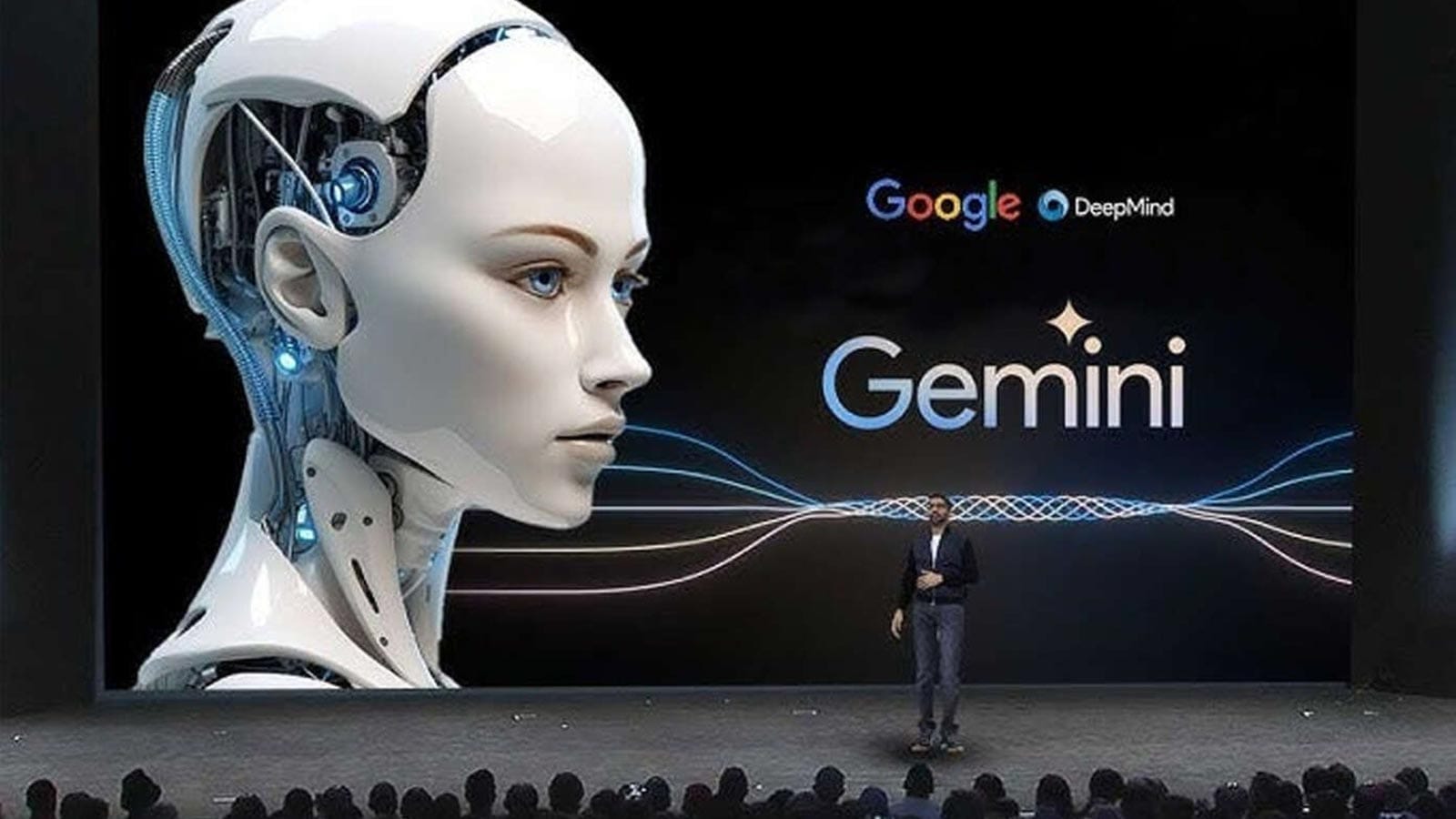
Gemini AI, Google’s next-generation artificial intelligence, is the cornerstone of Android XR. Its capabilities were showcased at Google I/O 2025, where the company demonstrated how Gemini enhances user interactions through AR glasses. For instance, users can activate Gemini simply by saying its name, prompting the AI to overlay a clean, modern interface onto their real-world view. This minimalist design ensures that users remain focused on their surroundings while accessing essential information.
 Real-World Applications of Android XR Glasses
During the event, Google highlighted four key features of Android XR glasses:
- Real-Time Translation: Gemini AI can automatically detect and translate spoken languages, displaying the translation as subtitles within the user’s field of vision. This feature is particularly valuable for travelers and international business professionals.
- Navigation Assistance: By integrating Google Maps, the glasses can guide users to their destinations with overlaid directions, eliminating the need to look down at a smartphone.
- Messaging: Users can send and receive messages hands-free, making communication more efficient and accessible.
- Contextual Suggestions: The AI can recommend nearby points of interest, such as restaurants or landmarks, based on the user’s location and preferences.
Expanding the Ecosystem with Xreal and Qualcomm
While Samsung’s Project Moohan is the flagship device for Android XR, other manufacturers like Xreal are also joining the ecosystem. Xreal’s Project Aura glasses, unveiled at Google I/O, are the first Android XR-powered glasses. Featuring Qualcomm’s Snapdragon XR chips, these lightweight devices are designed to be tethered to a secondary device for enhanced performance. Xreal’s collaboration with Google and Qualcomm positions it as a key player in the XR space, competing with products like Meta’s Ray-Ban Stories and Apple’s Vision Pro.
The Road Ahead for Android XR
Google’s long-term strategy for Android XR hinges on building a robust ecosystem of devices and applications. By partnering with industry leaders like Samsung, Xreal, and Qualcomm, the company aims to attract developers and create a diverse range of apps tailored for XR experiences. This approach mirrors the success of the Android smartphone platform, which became a global standard through widespread adoption and developer support.
As Android XR and Gemini AI continue to evolve, they promise to revolutionize how we interact with the digital and physical worlds. With intuitive interfaces and practical applications, these technologies are paving the way for a new era of computing, where augmented reality seamlessly integrates into our daily lives.
Source: Sammobile, Cnbc, Cnet