


A Phased Restoration
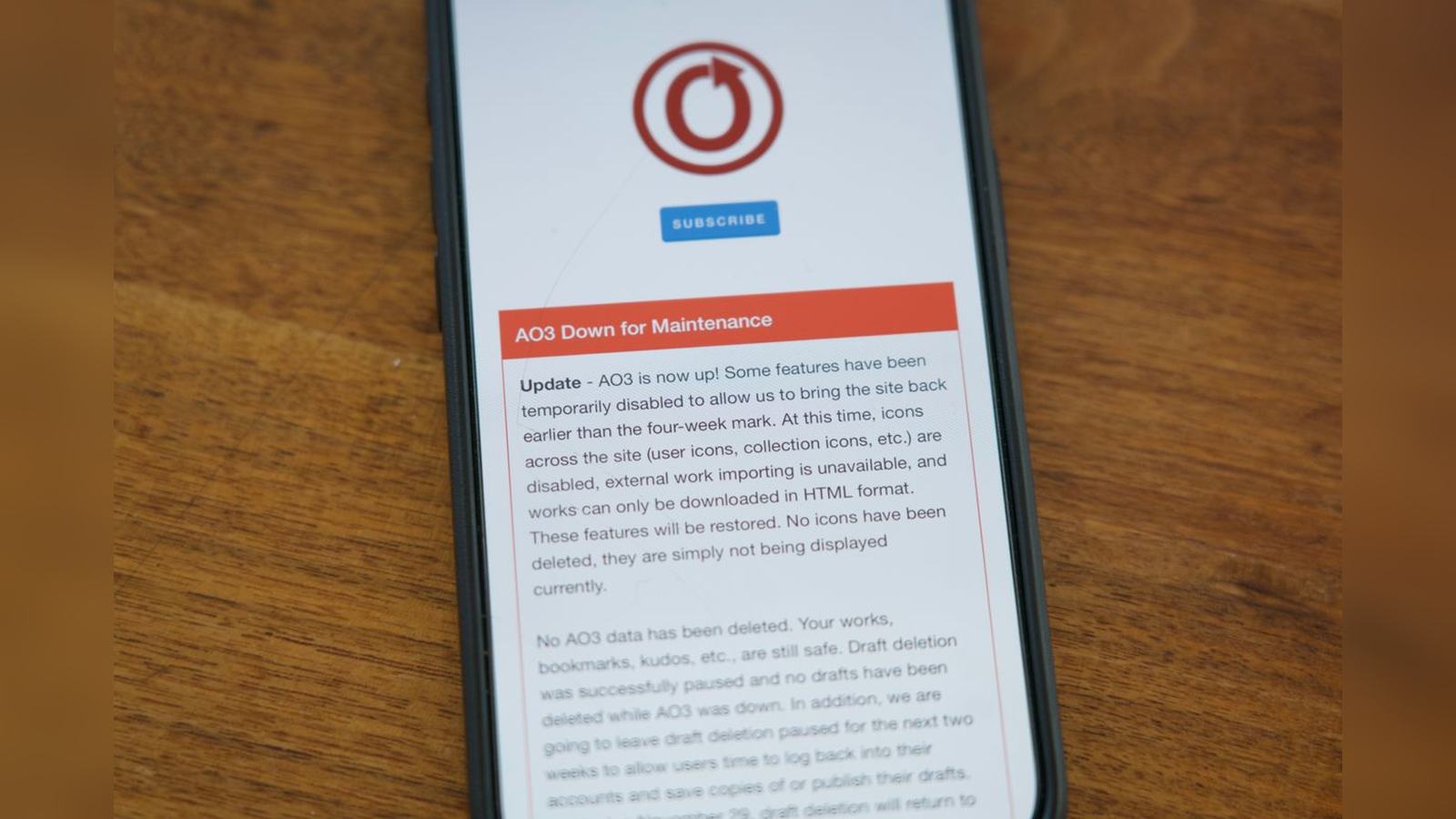
On Sunday, November 15, 2026, the Archive of Our Own (AO3) platform began its transition back to public service following a two-week shutdown triggered by a security incident on October 29. The Organization for Transformative Works (OTW), the activist group that operates the repository, confirmed that the site is now accessible to users, though it remains in a limited, degraded state. According to an Associated Press report, the organization’s status page announced the return, while cautioning that certain functionalities, such as user icons and the ability to import external works, are currently disabled. Downloads are restricted to the HTML format during this initial restoration phase.
The outage, which lasted approximately two weeks, left millions of users without access to the platform’s vast collection of fan-generated narratives. The OTW has assured its community that all existing works, bookmarks, and kudos remain safe and that no data was deleted during the incident. However, the organization stated that it cannot yet rule out the possibility that the user database may have been compromised. The return of the site was met with widespread relief from the platform’s 11 million registered users, who had been unable to access the archive since late October.
Challenges of Volunteer-Led Infrastructure
The incident highlights the growing technical challenges facing large-scale, volunteer-run digital archives. As the digital landscape evolves, platforms like AO3 are increasingly exposed to sophisticated threats, including AI-enabled exploits. Mel Stanfill, a professor at the University of Central Florida, noted that the rapid scaling of code-based exploits makes security maintenance difficult even for major organizations with significantly more resources and staff than the OTW. In an email cited by The Joplin Globe, Stanfill described the OTW’s response as relatively quick, particularly when contrasted with security incidents at larger, well-funded technology firms.
The OTW operates on a non-profit model, relying heavily on volunteer labor to moderate and maintain a system that reached nearly 40 billion page views in 2025. The platform has seen consistent growth, with registered accounts rising from 10 million to 11 million in the four months leading up to June. This rapid expansion, combined with the nature of the content hosted, creates unique moderation and security burdens. While the platform has been a cornerstone of global fandom culture since it went fully public in 2009, it has also faced scrutiny regarding content moderation policies and the potential exposure of minors to mature themes.
Operational Stakes and User Experience
During the two-week blackout, the frustration among the user base was palpable, with many turning to unofficial channels to share or mirror content. This practice raised concerns among authors regarding copyright and the unauthorized redistribution of their work on external platforms like Google Drive. The OTW apologized for the uncertainty surrounding the timeline of the return, having initially warned that a full restoration could take up to four weeks. The current degraded state represents a middle ground, allowing core access while the technical team continues to remediate the underlying security vulnerabilities.
As AO3 works to restore full functionality, the organization’s primary focus remains the stability of the archive. The platform is not only a repository for fiction but also a hub for fan-created art and audio narratives known as “podfics.” With nearly 18 million works hosted on the site, the pressure to maintain both security and accessibility is immense. The OTW has not provided a definitive date for when the full suite of features will be restored, but it has committed to bringing back currently disabled services as soon as it is safe to do so.