


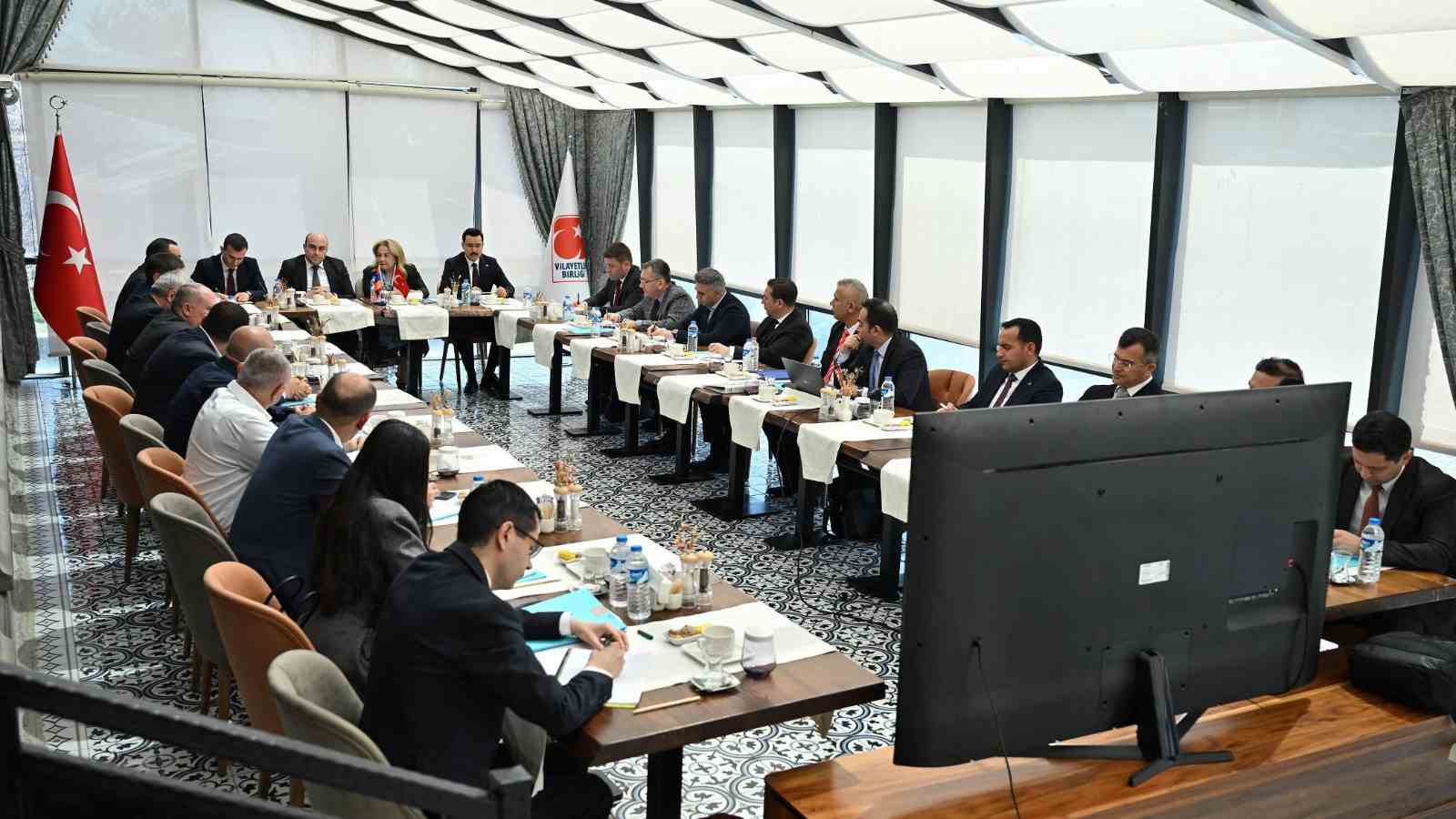
A critical development in South Caucasus connectivity unfolded in Kars, where Armenian and Turkish officials convened to establish a joint working group tasked with the reconstruction of the Kars-Gyumri railway. This move, long sought by regional stakeholders, represents a concrete shift toward reopening economic and social channels that have remained dormant for decades, effectively signaling an end to the protracted border freeze.
Institutional Foundations for Regional Stability
The establishment of this working group follows the diplomatic momentum generated during the Washington summit held on August 8. The U.S. Embassy in Armenia has publicly welcomed the initiative, framing the restoration of this key link as a foundational step toward a peaceful and prosperous South Caucasus. By prioritizing infrastructure that facilitates direct transit, both nations are moving toward institutionalizing cooperation that transcends historical grievances, a necessary condition for sustainable regional integration.
Geopolitical Incentives and Economic Integration
Turkey’s leadership has signaled a broader strategic interest in these developments. Turkish Vice President Cevdet Yılmaz recently highlighted that such progress positively impacts the prosperity of the Turkic world, while also emphasizing the potential benefits of the proposed Zangezur corridor. Yılmaz noted that while specific logistics projects aim to secure direct land connections between Azerbaijan-Nakhichevan-Turkey connectivity, the overarching goal remains the normalization of relations with Armenia. This implies a strategic calculation in Ankara: that economic interdependence acts as a stabilizer for the entire region.
Synthesis of Regional Risks and Opportunities
While the technical work on the Kars-Gyumri line suggests a genuine thaw, the practical realization of these projects remains contingent on broader peace negotiations between Armenia and Azerbaijan. The potential for economic integration creates a strong incentive for all parties to maintain stability, yet the success of these initiatives depends on transparent, rule-based governance and the firm commitment to sovereignty. If these infrastructure corridors are managed through inclusive, democratic frameworks rather than exclusive power-sharing, they could serve as the bedrock for long-term regional security, shifting the South Caucasus from a zone of competition to one of productive cooperation.