


Administrative Intervention in Maritime Operations
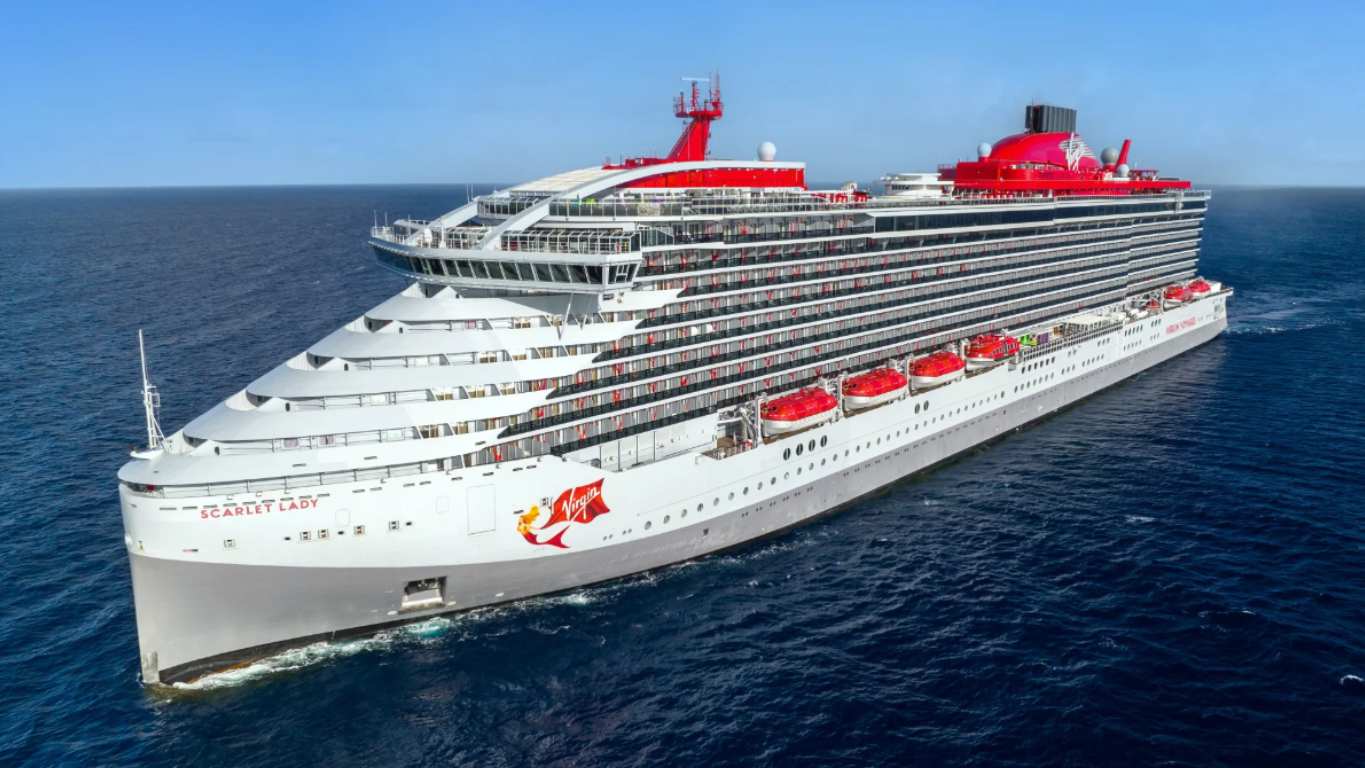
Turkish authorities have barred the cruise ship Scarlet Lady, operated by Virgin Voyages and chartered by Atlantis Events, from docking at the port of Kuşadası. The vessel, carrying approximately 2,000 LGBTQ+ passengers, was scheduled to arrive on July 7, 2026. Local officials cited concerns regarding social structure and national moral standards as the basis for the denial of entry.
This decision marks a significant shift in regional maritime policy. According to Atlantis Events President and CEO Rich Campbell, the company has successfully operated cruises in Istanbul and Kuşadası for 25 years without incident. The organization unsuccessfully sought to reverse the administrative decision through diplomatic channels, including direct discussions with the United States embassy in Turkey.
Impact and Industry Response
Broadway performer Patti LuPone, who is scheduled to perform on the cruise, expressed her frustration on social media, stating that the ship was denied entry solely due to the identity of its passengers. The cruise line confirmed that the itinerary has been rerouted, with the ship now scheduled to visit ports in Cairo, Egypt, and Crete, Greece, instead of Turkey.
The incident has raised concerns regarding the predictability of international travel regulations in the region. While homosexuality remains legal in Turkey, the current political climate has seen an increase in restrictive measures, including the annual banning of Istanbul Pride since 2015 and the recent closure of long-standing nightlife venues. Industry experts note that the economic impact of this decision will fall on local Turkish vendors and businesses that rely on international tourism revenue.
Historical Context
This is not the first time such an incident has occurred. In 2000, Turkish authorities prevented a group of 800 gay tourists from entering Kuşadası, an action for which the then-tourism minister later issued a formal apology, rejecting discrimination based on sexual preference. Current government representatives have not yet issued a formal statement regarding the 2026 incident.