


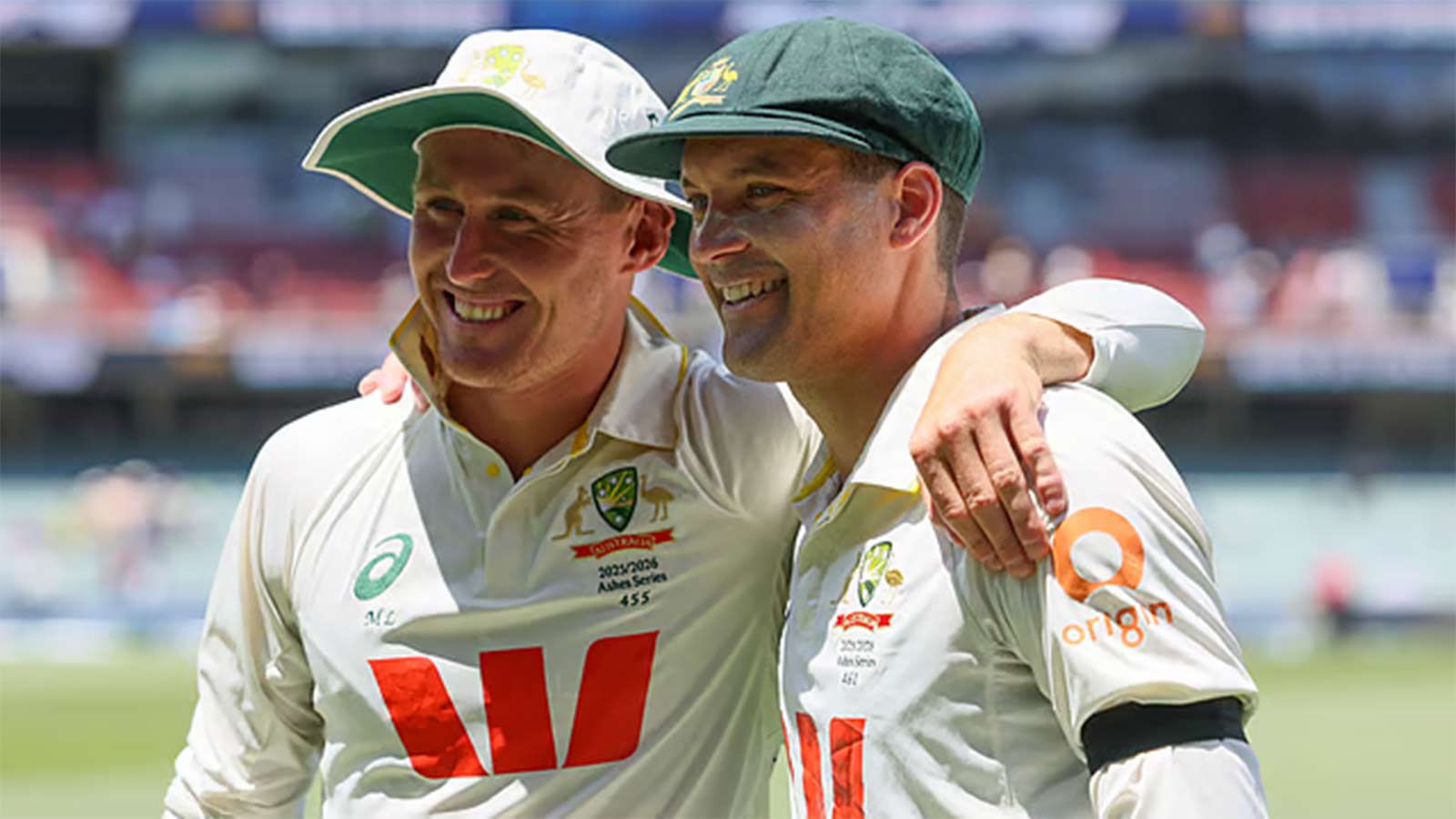
The Boxing Day Test at the Melbourne Cricket Ground is always more than just a game. It’s tradition. It’s spectacle. But this year, the fourth Ashes Test between Australia and England delivered pure drama, with 20 wickets tumbling and the fate of the match swinging wildly in front of a world-record crowd of over 93,000 fans. It was a day that seemed to compress an entire Test into a feverish few hours.
England, having won the toss, sent Australia in to bat—an aggressive call in conditions offering plenty for the bowlers. The risk almost paid off. Australia were bundled out for just 152 before tea, with England’s Josh Tongue producing a career-best 5-45 on a green, lively pitch. The crowd, already buzzing, sensed an opening for the visitors.
But in cricket, momentum can be cruelly fickle. When England took the bat, the Australian attack—led by Michael Neser, Scott Boland, and Mitchell Starc—turned the tables with relentless precision. Neser, backing up his heroics from the previous Test, took 4-45, Boland used his home ground knowledge to snare three, and Starc struck early to rattle England’s top order (BBC Sport, The Guardian).
England’s innings was a rapid unraveling. Harry Brook was the only beacon of resistance, counterattacking with 41 off 34 balls, including two sixes. Atkinson (28) and captain Ben Stokes (16) managed to reach double figures, but their efforts were ultimately swallowed by Australia’s disciplined bowling and the testing pitch. England were all out for just 110 inside 30 overs—barely lasting a session. The numbers told the story: wickets fell at a historic pace, reminiscent of Ashes matches more than a century ago (Sports NDTV).
As the day drew to a close, Australia returned to the crease, surviving a tense single over and finishing at 4-0. Their overall lead stood at 46 runs, a buffer that felt much larger given the volatile conditions. The MCG crowd, already treated to a whirlwind of action, rode every ball with anticipation and disbelief.
There were standout performances and moments of heartbreak on both sides. Josh Tongue’s five-wicket haul was a masterclass in exploiting conditions, while Michael Neser continued to build his Ashes legacy. Scott Boland, the local hero, was in his element—claiming wickets and weathering the final over of the day with nerves of steel. On the England side, Harry Brook’s aggressive intent was a rare highlight, but the top order’s struggles—Duckett, Bethell, and Root all falling cheaply—will fuel debates about tactics and personnel. As Sir Alastair Cook observed, England’s batting fragility and the pressure of the occasion were evident, with Duckett’s ugly dismissal emblematic of a group searching for answers (Daily Mail).
Off the field, the atmosphere was electric. Fans packed the stands, setting a new Ashes record for attendance. The palpable energy from 93,000-plus voices seemed to seep into the players, amplifying every wicket and boundary. And, as the wickets fell, so did the predictions: would this Test even reach a third day? Such was the dominance of the bowlers and the chaos of play that some questioned the fairness of the pitch—10mm of grass left this year, compared to 7mm last—sparking debate among commentators and fans alike about the balance between bat and ball.
For Cricket Australia, the prospect of a shortened Test is more than just a sporting concern. Lost revenue from early finishes, logistical headaches for catering and ticketing, and the broader impact on the fan experience all loom large. As one fan mused from Manila, the economics of cricket are as unpredictable as the game itself.
By stumps, the scorecard resembled a battlefield. Australia’s 152 and England’s 110, separated by a mere 42 runs, reflected not just the skill of the bowlers but the pressure cooker environment of the Ashes. Every over felt like a turning point, every dismissal a potential headline. Players sprinted to the pavilion, commentators scrambled to interpret what they’d just witnessed, and the crowd soaked up a day that will be remembered for its intensity and unpredictability.
Looking ahead, both sides face searching questions. Australia, with a slender lead and momentum, must capitalize early on day two. England, battered but not broken, need a response—both in temperament and technique—if they hope to claw back into the contest. The pitch will remain under scrutiny, as will the strategies of captains and coaches. The only certainty is that the Ashes, in its 2025 edition, continues to deliver moments that defy prediction and demand attention.
With 20 wickets falling on day one and both teams exposed to the harsh realities of Ashes cricket, this Test is a reminder of the sport’s capacity for wild swings and brutal honesty. Australia’s edge is significant, but in such conditions, fortunes can turn in a single session. The next day will test not just skill, but resolve—and in the Ashes, that’s where legends are made. (Sources: The Guardian, BBC Sport, Daily Mail, Sports NDTV)