


The Constitutional Crisis at the Border of Federal Authority
The operational divide between federal immigration enforcement and state-level sovereignty has entered a new, volatile phase. In Minnesota, the arrest of ICE officer Christian Castro in Texas on charges related to the nonfatal shooting of a Venezuelan man during Operation Metro Surge highlights a growing trend of local prosecutors asserting jurisdiction over federal agents. Hennepin County Attorney Mary Moriarty’s pursuit of federal personnel marks a significant shift in how states respond to perceived misconduct within federal enforcement operations.
This legal friction is not an isolated incident. The Department of Homeland Security (DHS) Office of Inspector General has publicly distanced itself from the Hennepin County prosecution, characterizing the characterization of their involvement as inaccurate. This jurisdictional standoff underscores the broader constitutional question: to what extent can state law enforcement intervene in the conduct of federal officers performing their duties? As the Trump administration’s national deportation campaign continues to face scrutiny, the legal battle in Minnesota serves as a template for other jurisdictions seeking to challenge federal supremacy.
Escalating Unrest in New Jersey
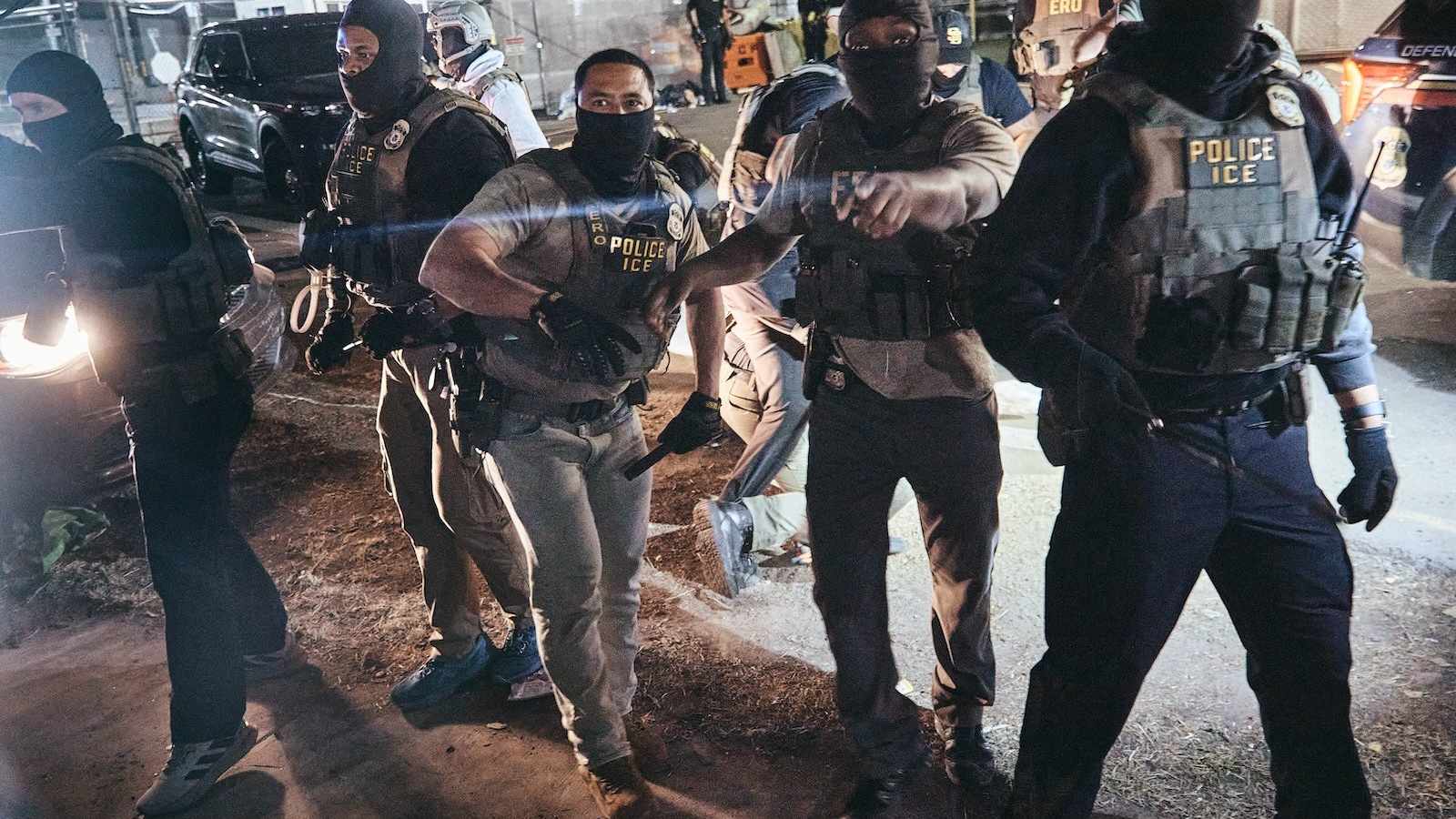
Parallel to the legal challenges, physical confrontations between ICE agents and the public have intensified. At the Delaney Hall detention center in Newark, New Jersey, ongoing protests against detention conditions and detainee transfers have resulted in violent clashes. New Jersey Governor’s intervention, which established designated protest zones and engaged state police to oversee public safety, represents a strategic attempt to de-escalate tensions while asserting state presence in federal facilities.
The situation at Delaney Hall is compounded by reports of a weekslong hunger strike among detainees, alleging systemic abuse and substandard living conditions. The refusal of federal authorities to allow state health inspectors full access to the facility has further polarized the situation, prompting state officials to call for a reduction in federal immigration officer presence. This standoff illustrates the growing distrust between local communities and federal agencies, where the latter is increasingly viewed as an external force operating without local accountability.
The confluence of criminal charges against federal agents and the militarization of protest zones suggests that the current framework for federal-state cooperation in immigration enforcement is failing. As states move to assert their own regulatory and legal standards, the potential for constitutional litigation and localized civil unrest increases. The federal government’s insistence on unilateral authority, contrasted with the state-level demand for transparency and accountability, creates a policy vacuum that invites further instability. Without a federal-state mechanism to reconcile these mandates, the erosion of public trust in enforcement agencies will likely persist, complicating the implementation of national immigration policy across the United States.