


A Targeted Attack in Santo Domingo
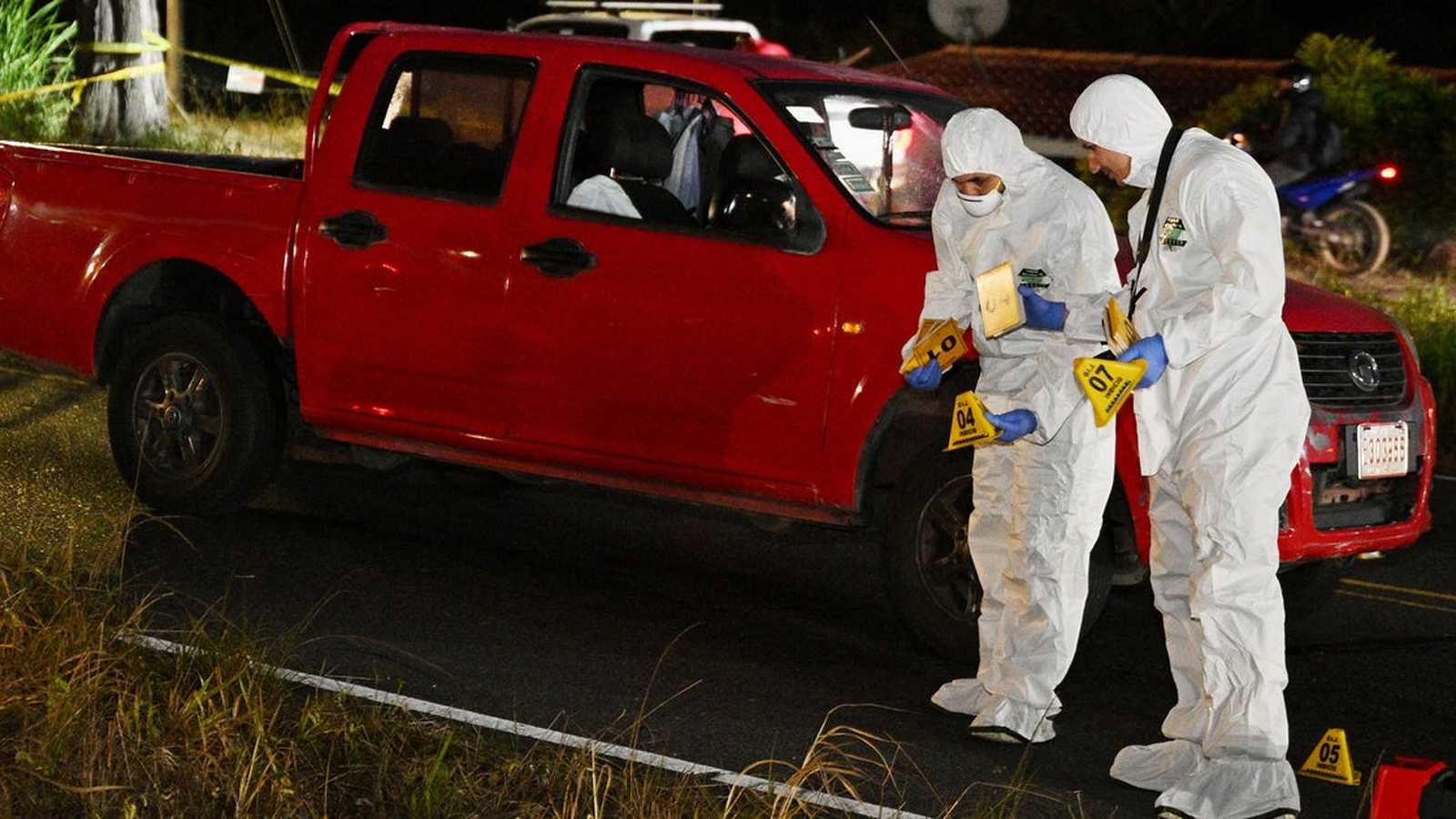
On Monday, November 16, 2026, independent journalist Camilo Rodriguez was shot and killed while driving through the town of Santo Domingo de Heredia, near the Costa Rican capital of San Jose. According to police chief Raul Rivera, two individuals on a motorcycle approached Rodriguez’s vehicle at approximately 3:20 p.m. local time, opening fire while the victim was caught in heavy traffic on a main highway. The CBS News report, citing the Red Cross, confirmed the location and timing of the incident. Attorney General Carlo Diaz later characterized the crime scene as indicative of a contract killing, noting that the victim had previously declined offers to enter a government-sponsored witness protection program.
Rodriguez, 50, had gained significant notoriety for his investigative work, which frequently utilized social media to name specific individuals he alleged were involved in the drug trade. He claimed to have shared intelligence regarding links between drug traffickers and prominent figures in Costa Rican politics and business with the U.S. Drug Enforcement Administration. His death marks the first targeted killing of a media figure in the country since the 2001 murder of radio producer Parmenio Medina, an event that also occurred in the Santo Domingo area, as reported in the Irish Times.
Erosion of a Regional Safe Haven
The assassination serves as a violent indicator of Costa Rica’s shifting status. Long regarded as one of Central America’s most stable democracies and a peaceful exception in a volatile region, the country has increasingly transitioned from a mere drug transit point to a critical logistics hub for international trafficking organizations. This structural shift has been accompanied by a sharp rise in violence; homicide rates in the nation doubled between 2013 and 2023, creating a security environment that has proven difficult for successive administrations to contain. The transformation of the nation into a logistics node for global cartels has effectively dismantled the perception of the country as a regional safe haven, leaving journalists and civil society members increasingly exposed to the reach of transnational crime syndicates.
President Laura Fernandez, who assumed office in May 2026, has campaigned on an “iron-fisted” approach to crime, drawing public inspiration from the policies of El Salvador’s leadership. However, the President herself has reported receiving intelligence that incarcerated gang members have ordered her assassination. In a statement released by her office following Rodriguez’s death, Fernandez remarked, “Regardless of the content of his statements, what happened today in our country is a stain on freedom of expression.” The political landscape remains fraught, as Rodriguez had previously been a subject of a defamation lawsuit filed by Fernandez during her campaign, adding a layer of complexity to the official response.
The Stakes for Press Freedom
The Costa Rican Journalists’ Association has formally condemned the killing, with president Yanancy Noguera stating that all available evidence points to an attempt to silence a dissenting voice. The association has demanded a swift and thorough investigation. Attorney General Diaz reinforced this sentiment, noting that the state cannot tolerate the silencing of communicators who report on corruption or organized crime, as such acts undermine the foundations of democratic society. The murder of a prominent voice who publicly identified individuals by name underscores the extreme risks inherent in current journalistic efforts to expose systemic criminality.
Despite the high-profile nature of the victim, the investigation remains in its early stages. Rodriguez had a complex public history, including his own unsuccessful bid for the presidency in 2022, which was rejected on technical grounds. Furthermore, he had faced serious and public allegations from his ex-wife regarding the abuse of their children, as well as his own accusations against her concerning drug trafficking. Authorities are now tasked with determining whether the assassination was a direct retaliation for his specific reporting on drug trafficking networks or a byproduct of the broader climate of impunity currently plaguing the country’s security landscape. As the investigation proceeds, the case is likely to serve as a litmus test for the government’s ability to protect journalists and maintain public order against increasingly sophisticated criminal enterprises. According to Reporters Without Borders, the global trend shows that more than half of the world’s countries now fall into the “difficult” or “very serious” categories for press freedom, a reality that Costa Rica is now confronting with renewed urgency.
Systemic Vulnerability and Future Outlook
The transition from a stable democracy to a logistics hub for trafficking has fundamentally altered the threat profile for public figures in Costa Rica. The reliance on social media as a primary platform for investigative journalism has allowed figures like Rodriguez to reach a wide audience, but it has also removed the traditional safeguards provided by established editorial oversight. This decentralized approach to reporting has left many journalists operating without institutional protection or legal support, making them vulnerable targets for retaliatory violence. The government’s inability to prevent this attack, despite the victim’s own awareness of death threats, highlights significant gaps in the state’s protective intelligence apparatus.
Moving forward, the administration of President Fernandez faces the daunting task of balancing its “iron-fisted” security rhetoric with the need to protect democratic institutions and the press. The rhetoric of the executive branch will be measured against its success in bringing the perpetrators of this murder to justice. If the investigation into the death of Camilo Rodriguez fails to produce concrete results, it may signal a permanent shift toward a climate of fear, where journalists are forced into self-censorship to survive. The international community, including bodies like the DEA and human rights organizations, will be watching closely to see if Costa Rica can reverse its current trajectory or if the country is destined to follow its neighbors into a cycle of institutional instability and violence. The legacy of the 2001 Medina murder still looms large, and the recurrence of such a targeted killing in the same area nearly 25 years later is a sobering reminder that the roots of impunity are deep and difficult to eradicate.