


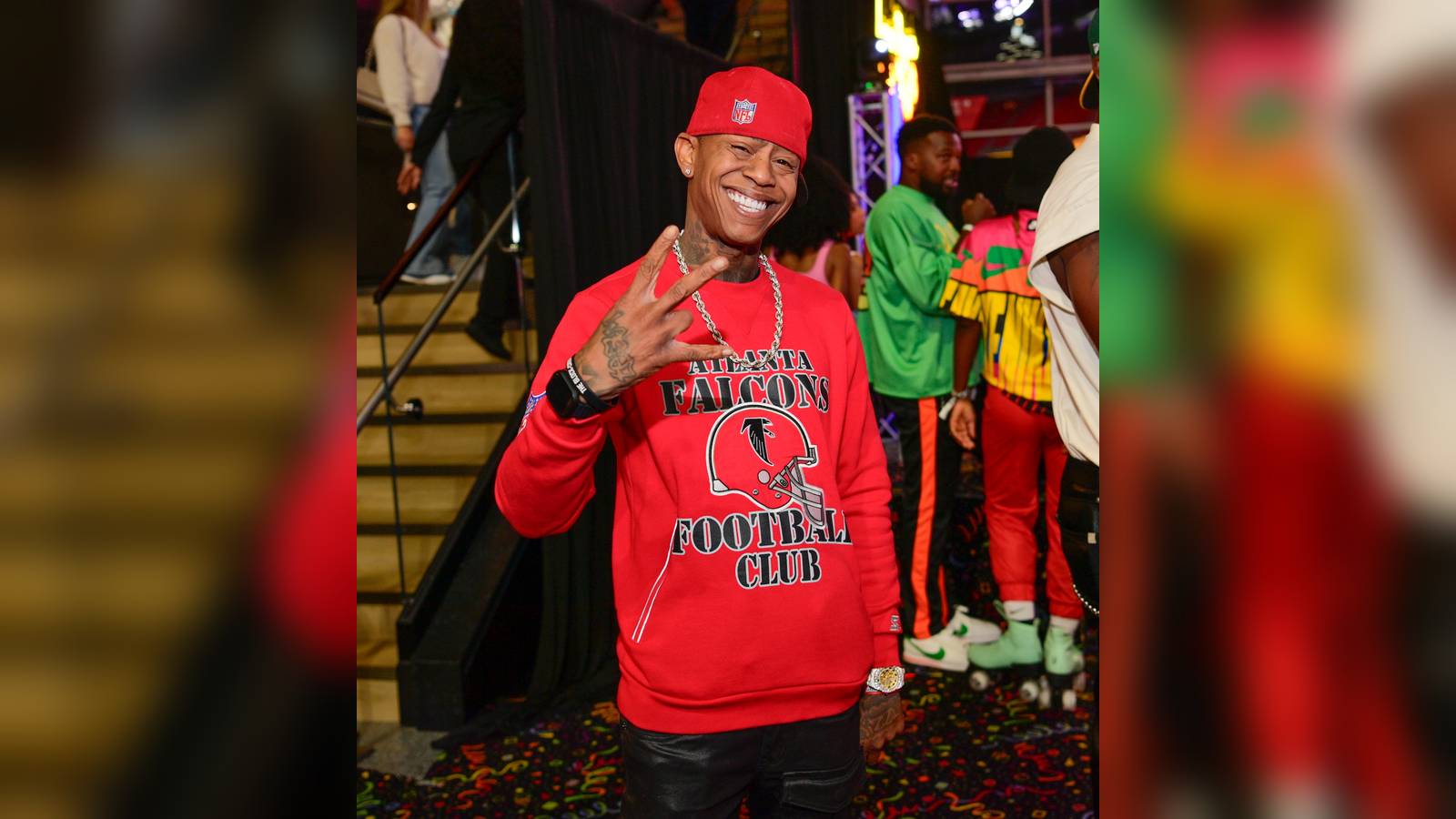
ATLANTA (Azat TV) – More than two decades after its release, a prominent underground crunk track has evolved into an inescapable cultural soundtrack for Atlanta athletics. The phenomenon was on full display during Game 3 of the WNBA Finals when Atlanta Dream forward Rhyne Howard stepped to the free-throw line, UATL reported. As the All-Star prepared her second shot, State Farm Arena erupted into a familiar, high-decibel, not-safe-for-work chant that drowned out the broadcast booth.
That rallying cry shares its title and hook with “ATL Hoe,” a 2002 single by local rappers Baby D and Pastor Troy, featuring production by Lil Jon and a contribution from the late Archie Eversole. While originally confined to local CD players and club speakers, the phrase has since expanded far beyond basketball arenas, echoing at 2026 FIFA World Cup watch parties, outdoor cookouts, and even Green Bay’s Lambeau Field.
Origins of a Southern Rap Staple
The phrase actually predates the track itself. Pastor Troy first utilized the three-letter phrase on his 2001 single, “This tha City,” drawing inspiration from the ad-libs popular in Memphis rap at the time. Operating independently in the late 1990s, the artist sought out regional collaborations to build an audience in a southern hip-hop market that often felt overlooked by coastal counterparts.
“Atlanta didn’t have a voice like we got now,” Baby D recalled in an interview with the Atlanta Journal-Constitution. Teaming up with Baby D—who was 17 at the time and signed to Big Oomp Records—alongside Archie Eversole, whose track “We Ready” was gaining traction, the artists channeled their regional frustrations into the studio. The resulting track combined aggressive 808 basslines and sinister synthesizers with Pastor Troy’s looping refrain.
Cultural Resonance Across Generations
Neither the artists nor early street promoters anticipated the longevity of the record. Initially treated as localized club music, the track resonated with fans who viewed Atlanta sports teams as eternal underdogs fighting for national recognition. Over the years, the chant migrated from neighborhood cookouts into professional stadiums, uniting supporters of the Dream, Hawks, Falcons, Braves, and Atlanta United.
“I always catered myself on making anthems, making stadium music,” Pastor Troy noted. “Those are those days where people thought that we were slow in the South… It really made them put some respect on our name.” Today, the chant functions less as a specific song reference and more as a decentralized civic greeting, bridging generational divides whenever Atlanta competitors take the field.