


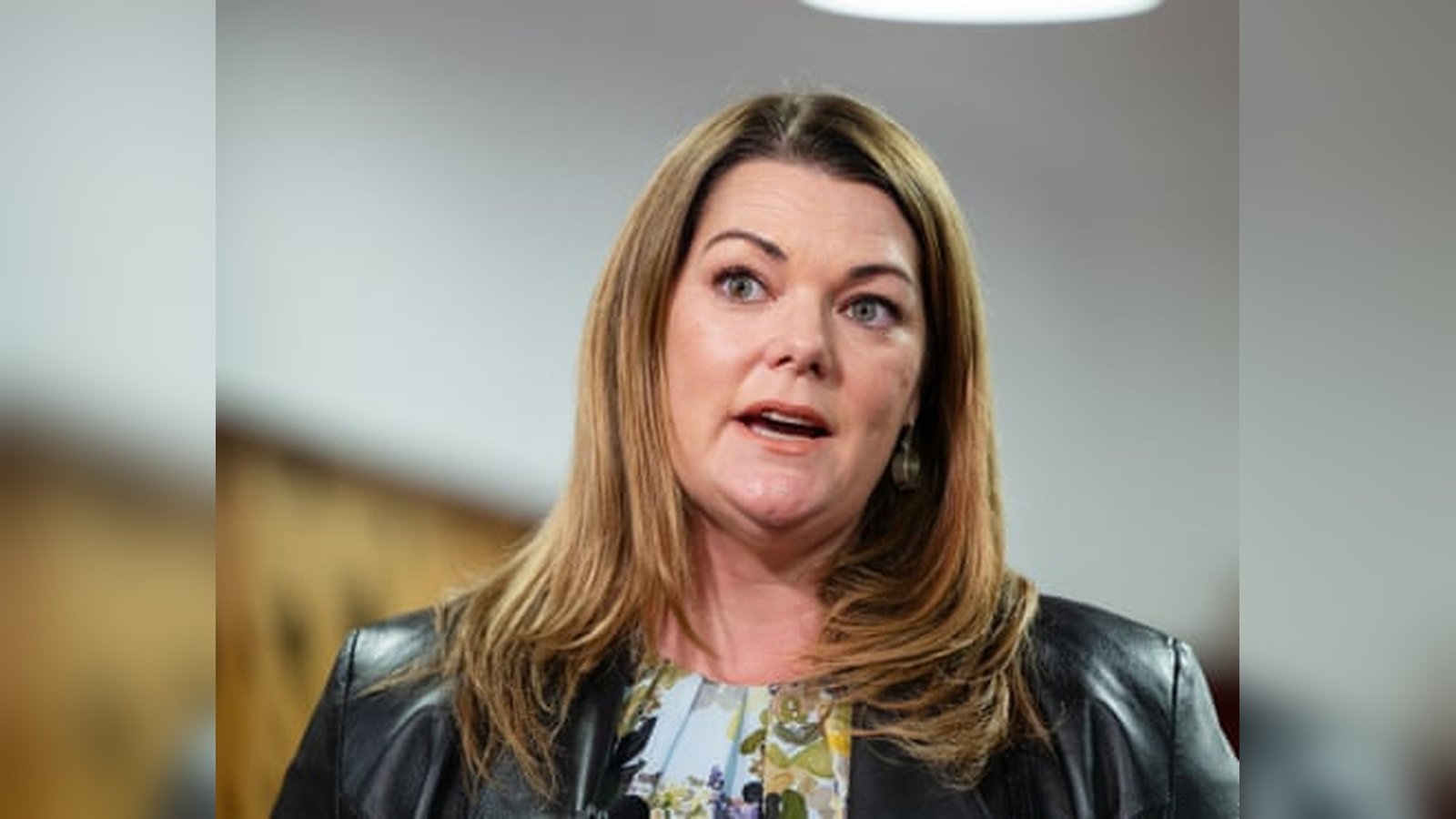
The leadership contest was triggered after former party leader Larissa Waters stepped down due to serious health concerns. In the subsequent vote held on Wednesday, Shoebridge secured the leadership, while Victorian senator Steph Hodgins-May was elected deputy leader. Senator Hanson-Young participated in the ballot but was eliminated after the first round with two votes, finishing behind Shoebridge and outgoing deputy leader Mehreen Faruqi, according to UA.News.
Reflecting on the outcome in a video message shared on social media, Hanson-Young described political life as brutal, noting that alliances are easily made and lost. She nevertheless pledged her support to Shoebridge and emphasized that all party members share a commitment to the country and the planet.
Tensions and Strained Relations
The transition has exposed underlying friction within the parliamentary caucus. A day prior to the vote, Mehreen Faruqi publicly criticized colleagues over the election of Shoebridge and advocated for rank-and-file party members to hold direct voting rights in future leadership contests. Sources within the Greens indicated to The Guardian that working relations between Shoebridge and Faruqi remain seriously strained.
Despite the friction, newly installed leader David Shoebridge expressed respect for Faruqi’s extensive community engagement and stated that she retains his full backing to continue her legislative and grassroots work outside the immediate leadership team. Shoebridge also committed to addressing member voting rights before the next scheduled leadership contest, which is set to take place immediately following the upcoming federal election. An internal party plebiscite in 2020 showed 62% support for a party-wide vote, though it fell short of the required two-thirds majority.
Strategic Focus and Next Steps
Looking ahead, Hanson-Young stressed that substantial efforts will be required to counter the One Nation party and its leader, Pauline Hanson. She argued that the Australian public needs a steadfast, optimistic progressive alternative and confirmed she has no intention of stepping back from the political fight.
Meanwhile, Faruqi outlined her intention to pursue radical policy action and campaign against geopolitical conflicts, climate change, and rising political extremism from outside the formal leadership structure. As the party recalibrates under its new leadership team, the primary test will be whether the factional divisions can be managed effectively ahead of the national electoral cycle.