


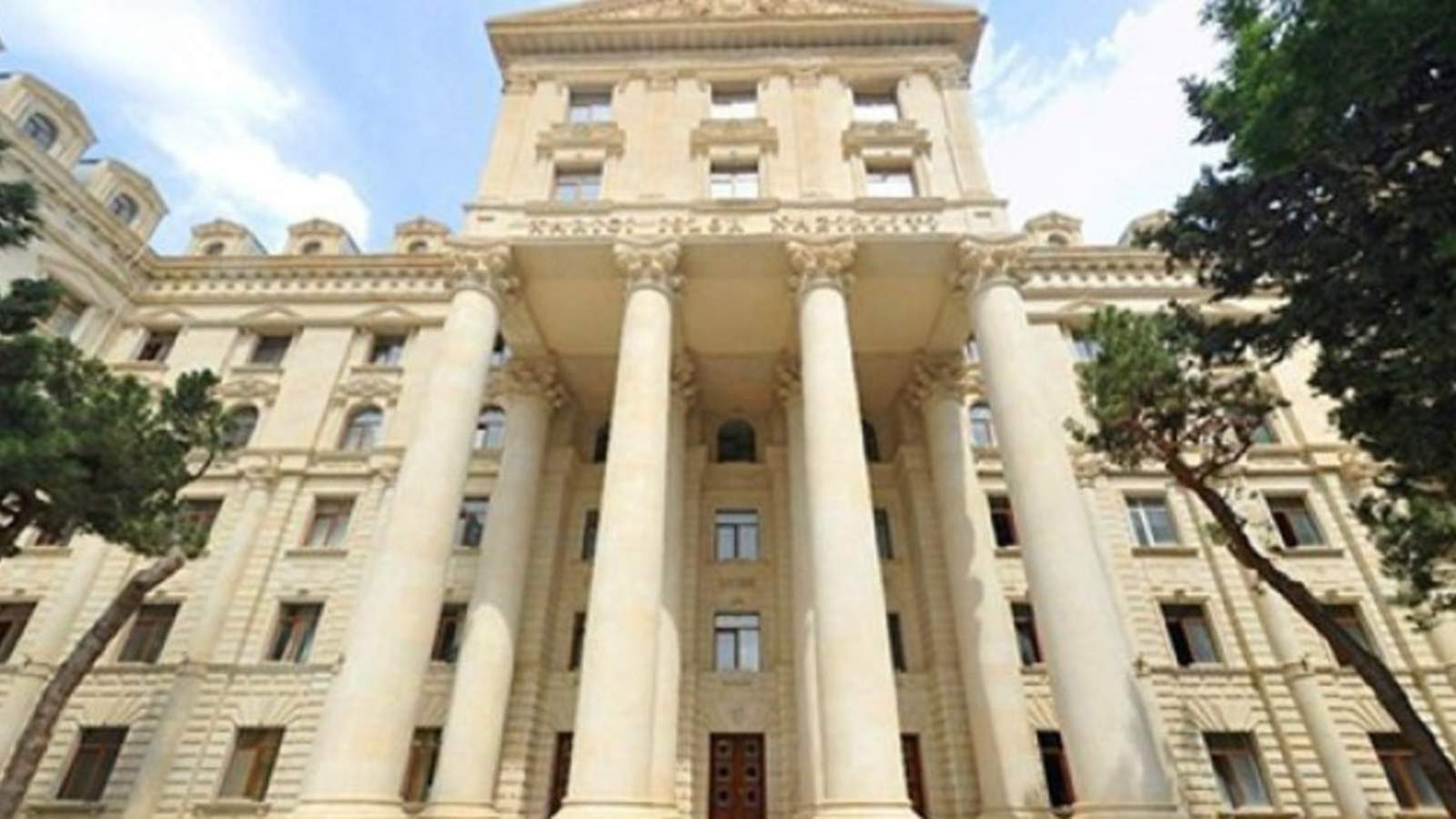
As Armenia marks the 111th anniversary of the Armenian Genocide today, April 24, 2026, the diplomatic climate is marred by an unprecedented attempt by the Azerbaijani Ministry of Foreign Affairs to dictate the parameters of Armenian state commemorative protocols. In a move widely viewed as a violation of diplomatic norms and state sovereignty, Baku has publicly issued instructions to the Armenian government, including demands regarding the internal accountability of Armenian citizens for their historical memory and public discourse.
The Geopolitical Pressure on Historical Memory
The Azerbaijani intervention comes amid a broader campaign to reframe the regional narrative. While Armenian leadership continues to advocate for a peace agenda, Baku has intensified its rhetoric, characterizing historical Armenian grievances as fabricated obstacles to regional stability. This attempt to externalize control over Armenia’s domestic policy—specifically regarding how the nation honors its past—represents a clear departure from standard inter-state relations. By attempting to curb the state-level recognition of the 1915 atrocities, Azerbaijan is not merely engaging in a historical debate but is actively using diplomatic pressure to undermine the institutional integrity of the Armenian government.
Institutional Accountability and Sovereignty
From a liberal democratic perspective, the right to historical memory and the freedom to commemorate victims of crimes against humanity are fundamental aspects of a nation’s sovereign identity. The Armenian Ministry of Foreign Affairs has responded by emphasizing that Armenia remains committed to its peace agenda, while simultaneously rejecting the legitimacy of Baku’s revisionist historical claims. The tension is compounded by Azerbaijan’s own contradictory stance, where it simultaneously demands that Armenia cease its historical discourse while issuing its own state-sponsored, unsubstantiated allegations regarding events from 1918 to pressure Yerevan into silence.
Synthesis of the Current Conflict
The core of this conflict lies in the attempt to link the normalization of relations with the abandonment of national memory. By pressuring the Armenian government to police its own citizens’ discourse on the Genocide, Baku seeks to transform historical trauma into a bargaining chip within the peace process. This strategy, however, risks alienating the Armenian public and undermining the very stability that a peace treaty is intended to secure. Genuine regional stability requires mutual respect for sovereignty and historical memory, not the imposition of restrictive state-level narratives that seek to erase the trauma of the past.