


Collaborative Development for a Classic
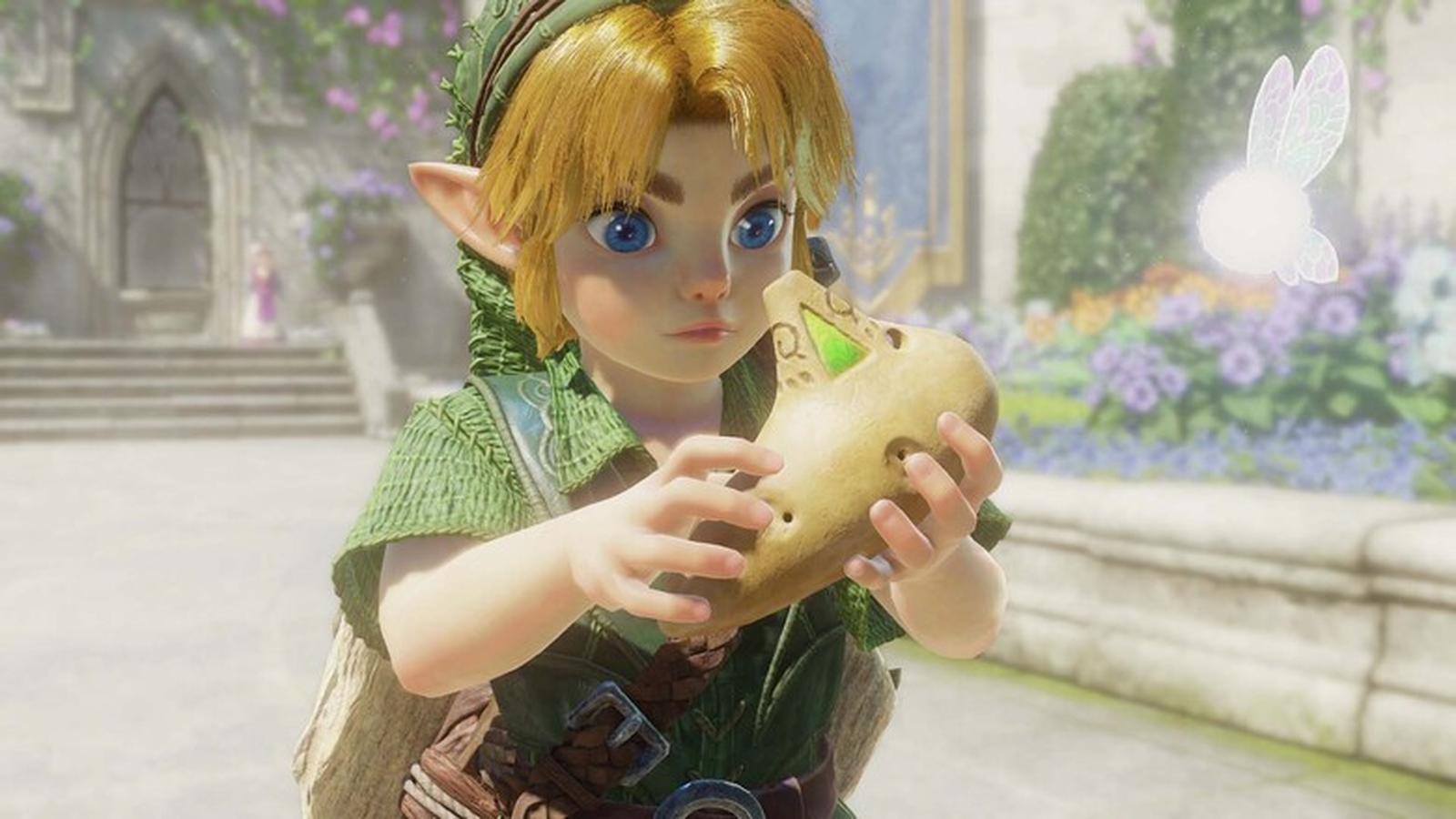
Following the release of The Legend of Zelda: Ocarina of Time on the Nintendo Switch 2 on November 5, 2026, it has been confirmed that support studios Bandai Namco and Monolith Soft played a critical role in the title’s modernization. Credits discovered by players, along with official statements, clarify the division of labor behind the updated experience, which aims to preserve the original gameplay while utilizing advanced hardware capabilities for a visual overhaul.
Bandai Namco Studios, via a translated release, confirmed that it was commissioned to produce essential visual assets. Their contribution spans “art, including characters, terrain, animations, cutscenes and UI,” effectively acting as a major contributor to the game’s aesthetic transition. Similarly, Monolith Soft, a frequent collaborator on the Zelda franchise, was identified in the game’s credits within the “Special Thanks” section, cementing their ongoing partnership with Nintendo.
Modernizing Hyrule: Technical and Visual Stakes
The involvement of these studios marks a significant effort to bring a landmark title to modern standards. According to reports from Eurogamer, the modernization includes complete texture overhauls, faster loading times, and the introduction of symphonic orchestral music. The technical improvements are not limited to visuals; players have noted snappier controls, improved camera functionality with the Right Stick, and a more dynamic day/night cycle that persists across all locations.
For Bandai Namco, this project represents a continuation of its long-standing relationship with Nintendo. The company has previously co-developed titles such as Metroid Prime 4 and is currently listed as a co-developer for upcoming Switch 2 releases, including Mario Kart World and Splatoon Raiders. The strategic importance of this partnership was further underscored in late 2025, when Nintendo acquired Bandai Namco Studios Singapore, rebranding the entity as Nintendo Studios Singapore to streamline development efforts.
Future Prospects and Content
While the initial launch has been met with critical acclaim—with reviewers noting a “vibrancy and clarity” that distinguishes this version from previous iterations—the community is already looking toward future updates. Datamined files from the Switch 2 version have reportedly revealed code related to the “Master Quest” mode, fueling speculation that additional content or DLC may be released in the near future. As players continue to explore the remodeled locations of Hyrule, the focus now shifts to whether these support studios will remain involved in potential post-launch expansions.