


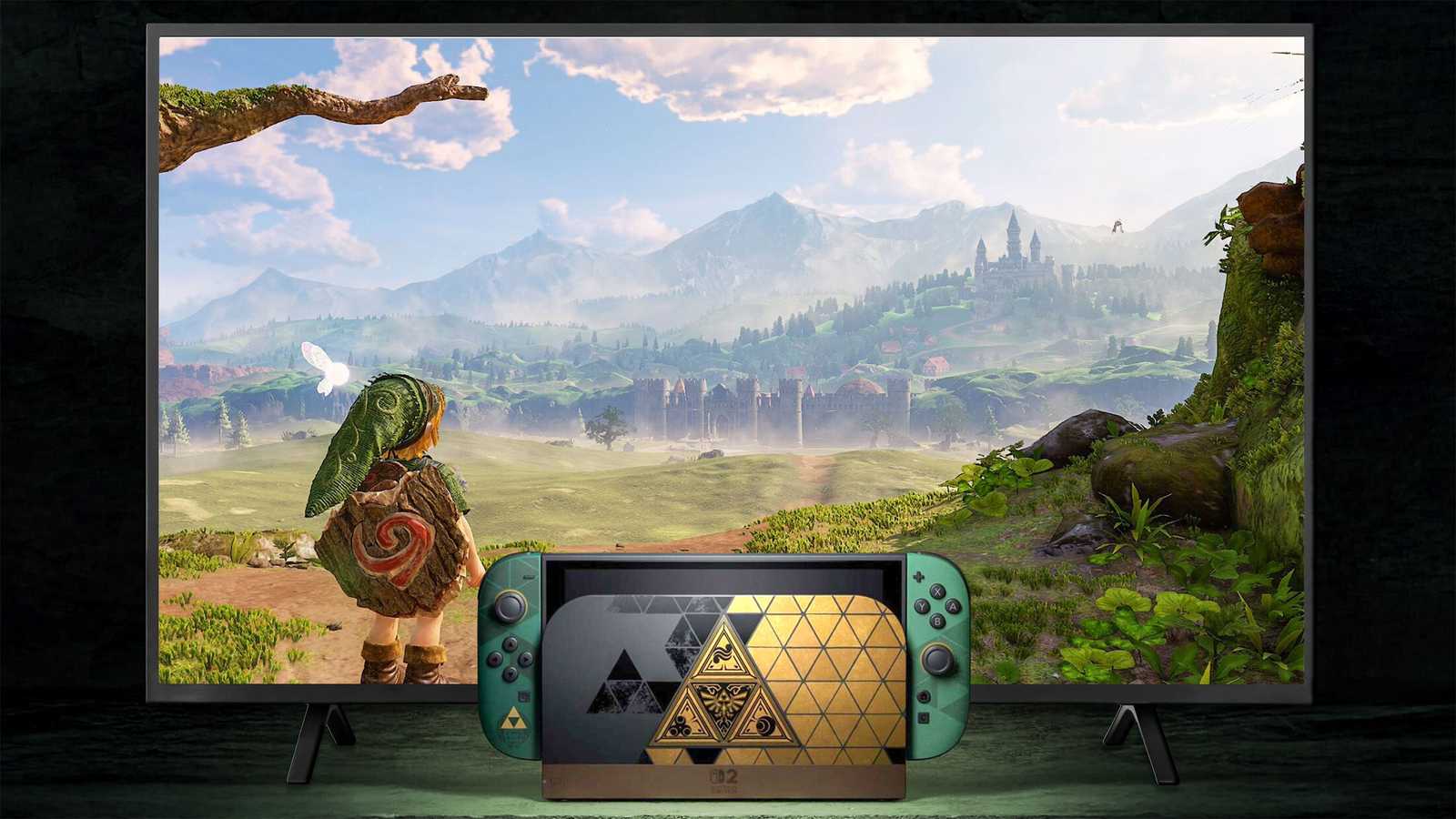
Retail Strategy Shifts Toward In-Store Availability
As of November 6, 2026, the Nintendo Switch 2 Zelda 40th Anniversary Edition remains one of the most sought-after gaming consoles, with major U.S. retailers like Target and Walmart employing fluctuating inventory strategies to meet high demand. According to reporting from Tom’s Guide, Target conducted multiple online restock waves on November 5 and 6, though online inventory was depleted rapidly. The retail landscape is increasingly shifting toward in-store availability, with chains like GameStop, Best Buy, and Walmart prioritizing local stock over online fulfillment to manage the high volume of traffic.
The Search for Remaining Stock
For consumers attempting to secure the console, the experience has been marked by inconsistency. While online trackers frequently display “sold out” statuses, many physical locations still hold limited units. Retailers are actively encouraging customers to utilize in-store stock checkers, though these digital tools often lag behind real-time inventory levels. For instance, while Target’s online store effectively returned to an out-of-stock state, local store locators occasionally report limited units available for pickup. Walmart remains a primary focus for potential buyers, following unverified reports of internal documents suggesting a potential restock window around November 6. However, as of the most recent updates, availability at the retailer has remained limited to high-priced third-party listings rather than official direct-from-retailer stock.
Market Context and Franchise Anniversary
The urgency surrounding the hardware launch is tied to the 40th anniversary of The Legend of Zelda franchise, which coincides with the release of a highly anticipated 4K remake of The Legend of Zelda: Ocarina of Time. The hardware, priced at $519, has seen significant interest, with peripherals like the Zelda 40th Anniversary Pro Controller also experiencing extreme scarcity. Some retailers have been observed listing these controllers at inflated prices, sometimes exceeding double the standard $99 MSRP, reflecting the intense pressure on current supply chains. As Nintendo continues to promise further stock distribution, industry observers suggest that the current “in-store first” strategy is an attempt to mitigate the impact of automated scalping bots that have historically plagued online console launches.