


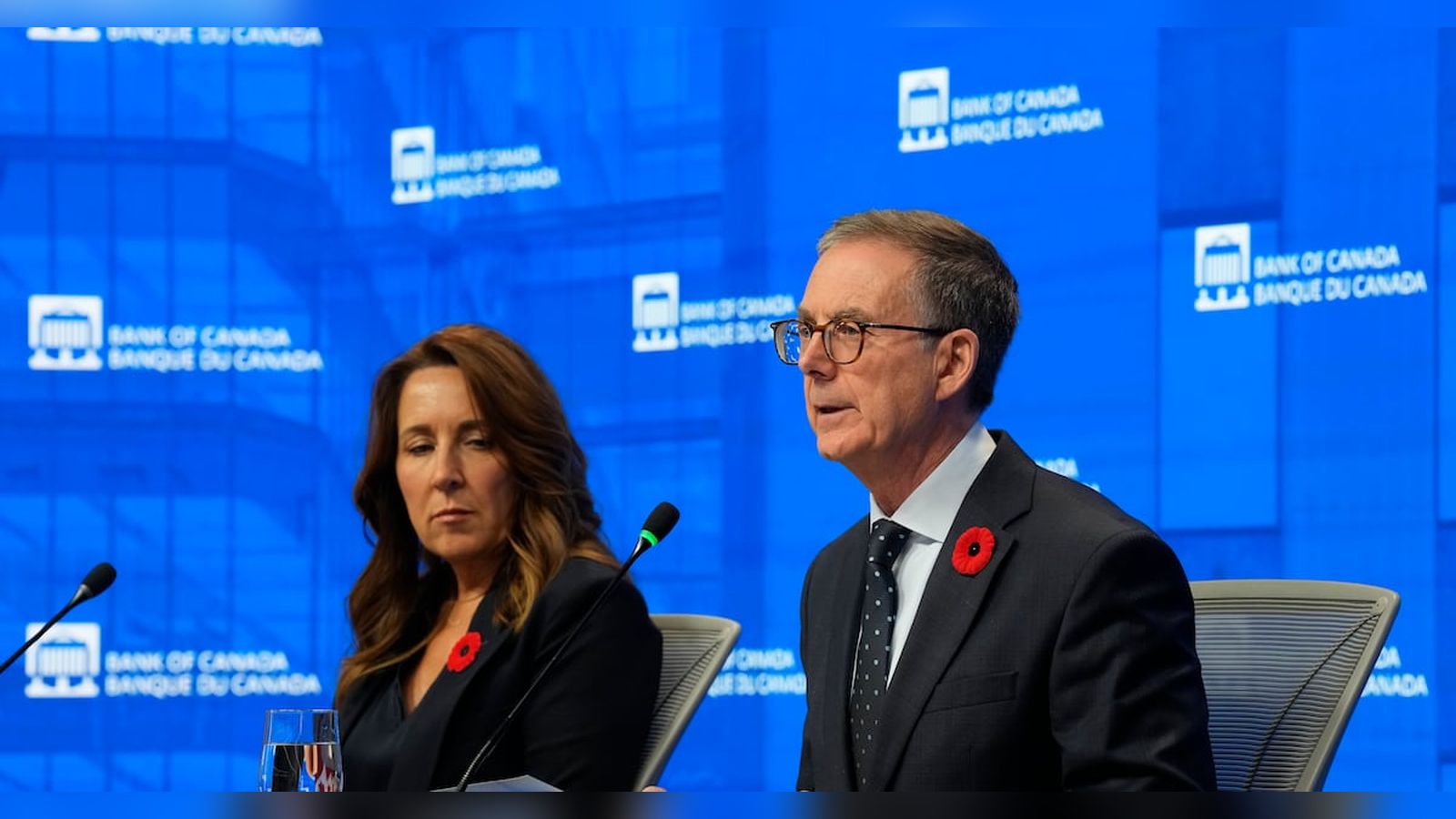
OTTAWA – The Bank of Canada raised its trendsetting policy interest rate by 25 basis points to 2.5 per cent on Wednesday, October 28, 2026, marking its first rate increase since July 2023. Reported by BNN Bloomberg, the central bank acted to contain inflationary risks stemming from soaring global energy prices and a resilient domestic economy.
Governor Tiff Macklem stated during a Wednesday morning news conference that the inflation outlook has deteriorated since the bank’s July report. With Brent crude averaging $124.96 per barrel in October—roughly $35 higher than in July—amid the ongoing conflict involving Iran, policymakers moved to prevent energy costs from spilling over into broader consumer price inflation.
Immediate Impact on Mortgages and Borrowing Costs
The quarter-percentage-point increase will directly affect consumer loans, mortgages, and lines of credit The Globe and Mail reported. For a national average home price of $666,538 with a 10 per cent down payment, a variable mortgage rate rising from 3.45 per cent to 3.7 per cent will cost a homeowner an estimated $82 more per month, or $984 annually, according to figures from financial comparison site Ratehub.ca.
Homeowners with fixed-payment variable mortgages will see a larger share of their monthly payments directed toward interest rather than principal repayment, extending amortization timelines. Jamie David, vice-president of mortgages at Ratehub, noted that while most pandemic-era rock-bottom mortgages have already renewed, borrowers facing renewals late this year and into 2027 will confront significantly heavier monthly obligations.
Consumers holding home equity lines of credit, or HELOCs, will also experience immediate adjustments. With average balances hovering near $59,000 according to Equifax data, a borrower paying a 4.95 per cent rate will see monthly interest expenses climb by roughly $12.
Auto Loans and Savings Discrepancies
Variable-rate vehicle financing will also tighten. J.D. Power analytics show that the average dealership-arranged auto loan stood at $58,500 in September, with approximately a quarter of those contracts carrying negative equity. Robert Karwel, an automotive industry expert at J.D. Power, warned that zero-interest and promotional financing incentives will become increasingly scarce as higher borrowing expenses raise costs for automakers.
Meanwhile, retail savers face uneven pass-through rates. While commercial banks traditionally adjust their prime lending rates within 24 hours of a central bank announcement, increases to standard savings account yields historically lag behind in both speed and magnitude.
Broader Economic Pressures and Future Outlook
In its October Monetary Policy Report, the central bank highlighted external trade uncertainties with the United States alongside energy costs as primary domestic risks. Inflation currently stands at 3.1 per cent. Governor Macklem signaled that if cost pressures continue to mount and businesses successfully pass higher operational expenses onto consumers, further rate increases remain a distinct possibility.
Bond and guaranteed investment certificate markets have already begun reflecting these tighter monetary conditions. Yields have climbed toward multi-year highs, driving up short-term GIC returns while pressuring fixed-income portfolio valuations.