


A New Hardware Slate Anchored by Ambient AI
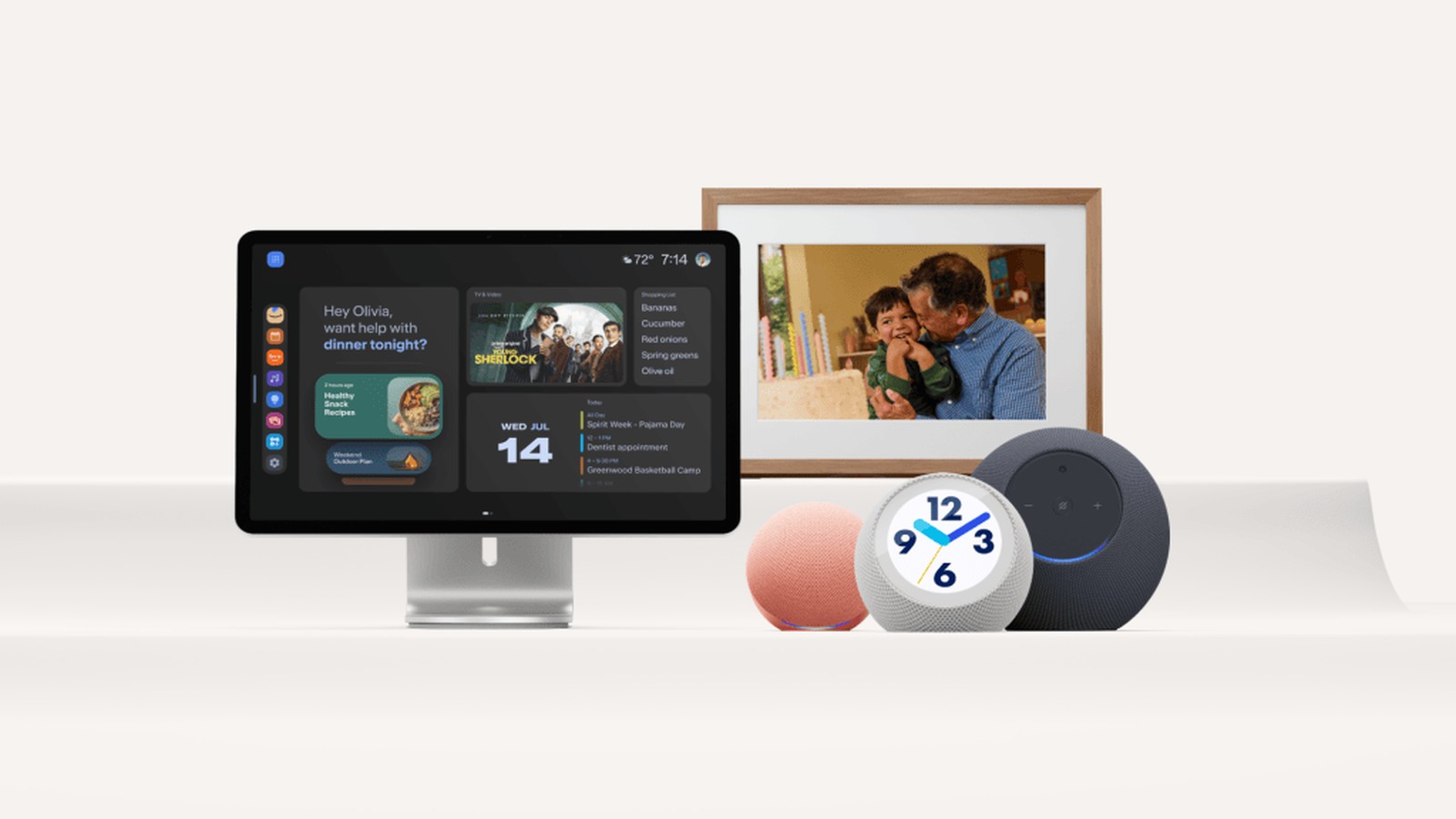
Amazon unveiled a sweeping hardware refresh on October 28, 2026, introducing five new devices built around its upgraded Alexa+ ecosystem, as reported by TechCrunch. The flagship of this autumn lineup is the Echo Show 16, a massive 16-inch smart display priced at $499.99 that functions as an interactive household command center. According to BigGo, the device opens for pre-order immediately ahead of competing product rollouts, signaling an aggressive push into premium smart home hardware. The lineup also includes the $199.99 Alexa Photo Frame, the $199.99 Echo Time bedside clock, a $249.99 Echo Studio equipped with a home security camera, and a $99.99 Echo Dot featuring an integrated smart home hub.
The Echo Show 16 and Home Surveillance Integration
The headline-grabbing Echo Show 16 features a 10% larger viewing area than its predecessor within a 40% smaller frame, coupled with built-in Fire TV and customizable ‘Screen Styles’ for family organization. However, as PCMag detailed following a hands-on media demonstration in New York, the device’s most striking and debated capability is its deep integration with Ring camera feeds. Powered by an emerging feature called Alexa Home Map, the display uses real-time artificial intelligence to track every person and vehicle moving outside the property. This transforms the massive, iPad-like display into an all-seeing domestic monitoring station, raising both technological capability and privacy considerations for household users.
Specialized Devices: Photo Frame and Bedside Echo Time
Seeking to capture single-purpose device markets, Amazon introduced the Alexa Photo Frame, starting at $199.99 in Black and $229 in Birch or Walnut wood finishes. The device features a semi-matte, anti-glare display engineered to mimic a physical photograph or a Samsung Frame TV rather than a conventional tablet. Prime members receive unlimited storage on Amazon Photos, while Alexa+ intelligently curates displayed pictures based on lighting, smiling subjects, and seasonal timing while filtering out screenshots and receipts. Alongside the photo display, the Echo Time bedside clock addresses consumer reluctance to rely on smartphones overnight. Priced at $199.99—or $209.99 for a Kids variant—the clock includes opt-in sleep-sensing tools, sunrise-mimicking lights, and smart alarms designed to awaken users during lighter sleep phases.
Upgraded Hubs and On-Device Processing
Amazon rounded out its hardware introduction with substantial upgrades to its established audio and hub devices. The new Echo Dot integrates a built-in smart home hub alongside an eero Wi-Fi extender that supplies up to 1,000 square feet of additional coverage for connected locks, lights, and thermostats. Powered by Amazon’s custom AZ3 silicon chip, the updated Dot delivers enhanced on-device processing to accelerate conversations with Alexa+. Meanwhile, the upgraded Echo Studio steps up home security by incorporating a wide-angle camera that supports visual intelligence, enabling the assistant to identify household objects and help users reorder supplies or navigate board game rules in real time.
Analyzing Market Position and Competitive Pressures
This fall hardware release follows closely on the heels of competitor product launches, most notably Apple’s smart home device ecosystem expansion. Industry analysts point out that Amazon’s strategy relies heavily on bifurcating its product portfolio. On one side are multipurpose, high-cost command centers like the Echo Show 16, which compete directly for the central real estate of the modern household. On the other side are dedicated, single-purpose companions like the Alexa Photo Frame and the Echo Time, which intentionally strip away visual clutter, web browsers, and complex menus to target specific domestic routines. This duality demonstrates how major hardware manufacturers are scrambling to find the ideal balance between ambient computing, artificial intelligence assistance, and consumer privacy anxieties.
Privacy Concerns and Technological Capabilities
The introduction of features such as Alexa Home Map underscores the growing tension between advanced utility and domestic surveillance. By mapping both the interior layout of a residence and tracking exterior foot traffic through external security cameras, the Echo Show 16 bridges the gap between home automation and professional-grade security monitoring. Reviewers and privacy advocates have noted that while the underlying artificial intelligence is technologically impressive, the constant aggregation of movement data introduces significant vulnerabilities and privacy questions. As these devices ship to consumers later in the year, user adoption will likely depend on how transparently Amazon manages data collection and whether households are ultimately comfortable turning their primary smart displays into continuous surveillance hubs.